Best Backpack for Long-Distance Hiking in (2026 Guide)
There’s no single “best” pack for everyone—the right choice depends on your trip length, how much gear you carry, and your personal comfort needs. But by the end of this guide, you’ll know exactly how to find the best backpack for long-distance hiking for your own trips.
The Best Long-Distance Hiking Backpack
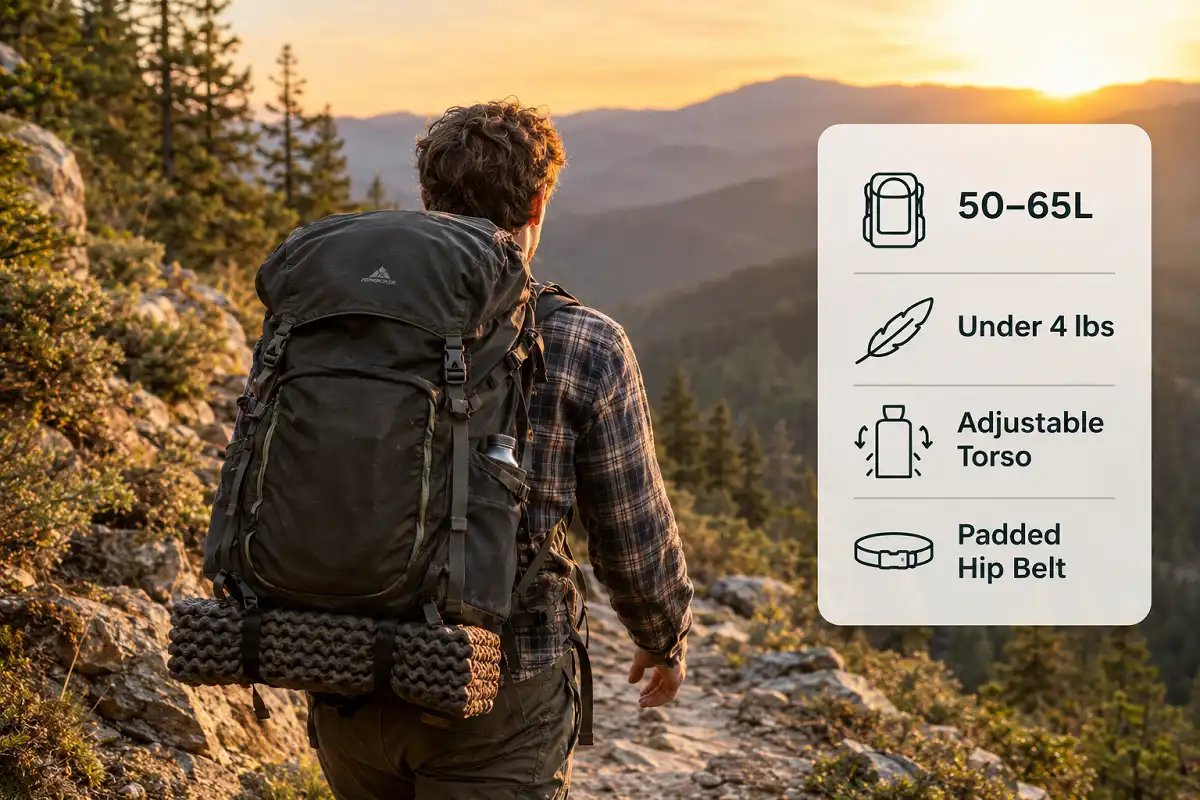
The best backpack for long-distance hiking sits between 50 and 65 liters, weighs under 4 pounds, and has an adjustable torso length with a padded hip belt that carries most of the load on your hips rather than your shoulders.
If you’re covering serious mileage, look for a pack in the 2 to 3-pound range made from ripstop nylon or Dyneema Composite Fabric, with enough external pockets—hip belt, side, and front—that you rarely need to stop and dig through your main compartment.
For most hikers, something like the Osprey Atmos AG LT 65 or Gregory Paragon 60 hits the sweet spot of comfort and weight, while thru-hikers chasing every ounce should look at ultralight options such as the Hyperlite Mountain Gear Southwest 55 or ULA Circuit.
Ideal for most multi-day and long-distance hiking trips.
A manageable weight for long days and extended mileage.
Allows you to fine-tune the pack to your body.
Transfers most of the load from your shoulders to your hips.
Keeps frequently used trail essentials within easy reach.
Why Your Backpack Matters More on Long Trips
A backpack is the one piece of gear that touches your body for every single mile of a hike. On a short day hike, a mediocre pack is just an inconvenience. On a multi-day trek, it can be the difference between a trip you remember fondly and one that ends early because of blisters, sore hips, or a strap digging into your collarbone. Choosing the best backpack for long-distance hiking means thinking beyond capacity and color—you need to consider weight, suspension, durability, and fit all at once, because they all interact.
If you’ve never tackled a proper backpacking trip before, it’s worth reading up on how to start hiking before you invest in gear, since your pack choice should match your actual trip plans rather than an idealized version of them.
What Makes a Backpack Good for Long-Distance Hiking?
Weight
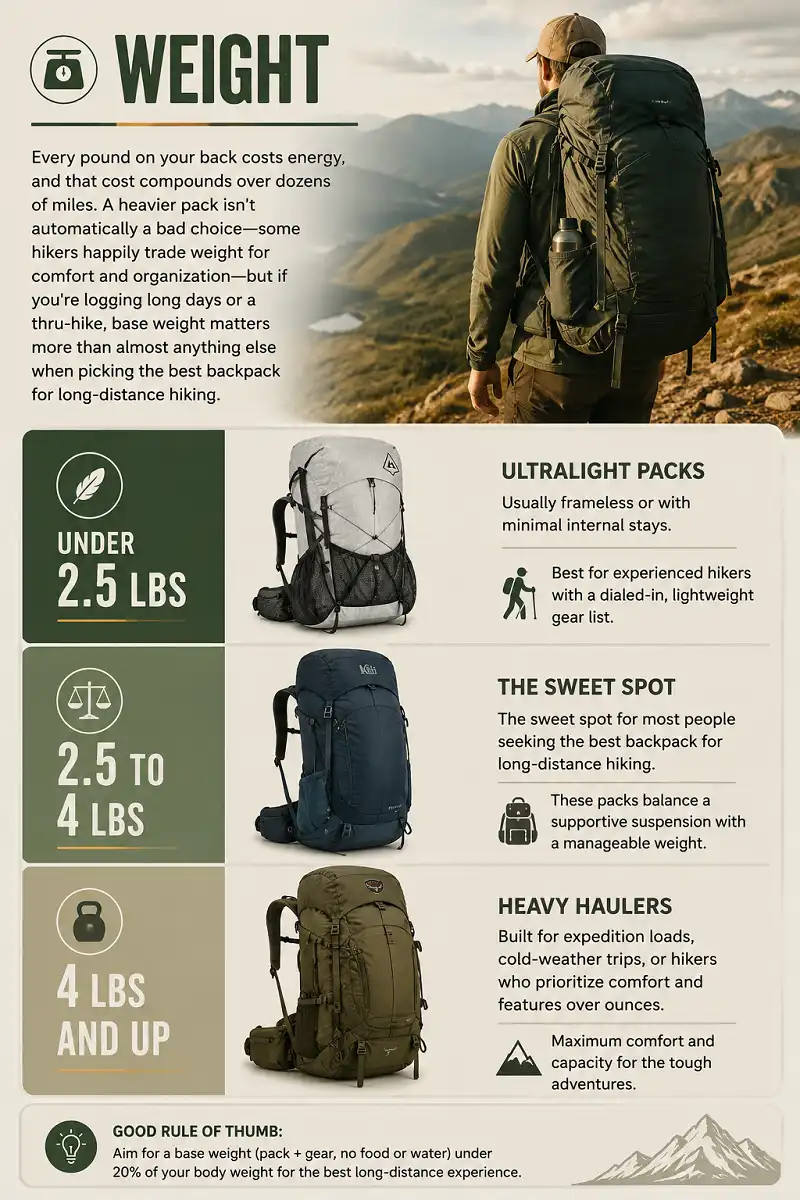
Every pound on your back costs energy, and that cost compounds over dozens of miles. A heavier pack isn’t automatically a bad choice—some hikers happily trade weight for comfort and organization—but if you’re logging long days or a thru-hike, base weight matters more than almost anything else when picking the best backpack for long-distance hiking. As a rough guide:
Ultralight Packs
Ultralight packs are usually frameless or use minimal internal stays. They’re best for experienced hikers with a dialed-in, lightweight gear list.
The Sweet Spot
These packs balance supportive suspension with a manageable weight, making them the sweet spot for most people seeking the best backpack for long-distance hiking.
Heavy Haulers
Heavy-hauling packs are designed for expedition loads, cold-weather trips, or hikers who prioritize comfort and features over saving every ounce.
Capacity
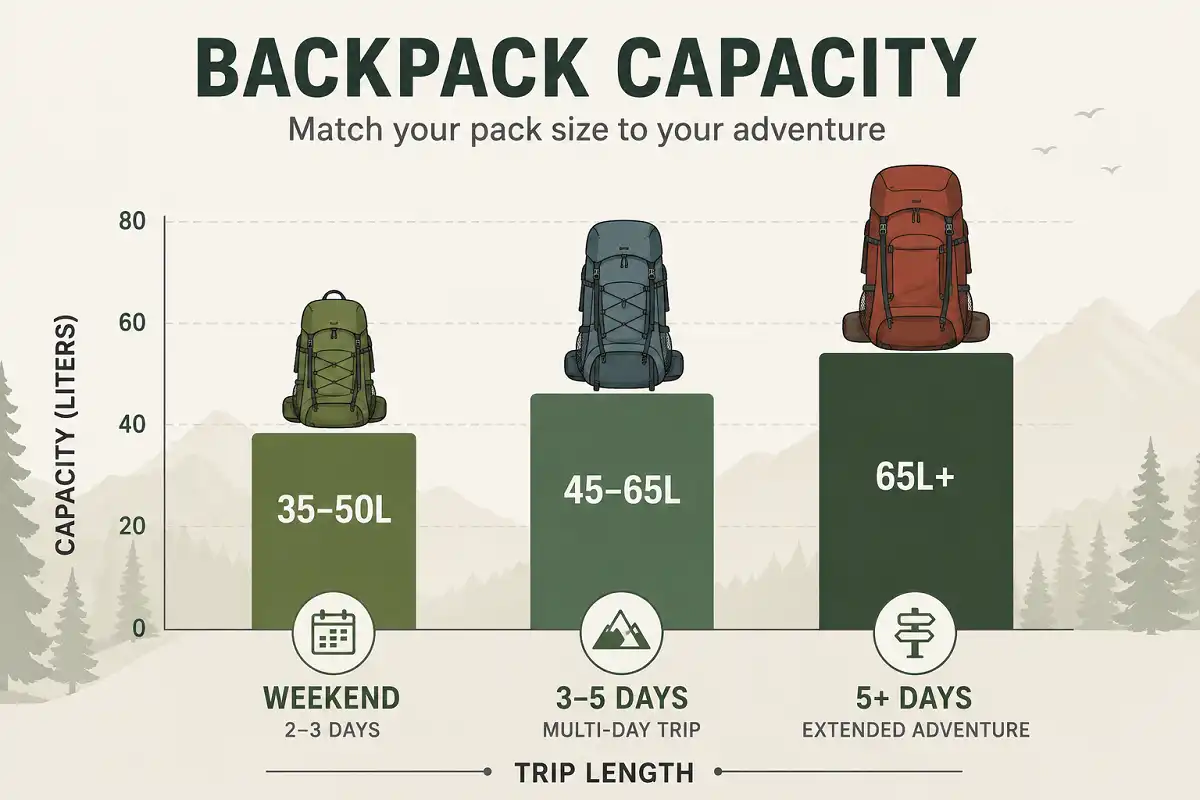
Capacity is measured in liters, and choosing the right amount is one of the most overlooked parts of picking the best backpack for long-distance hiking—it should match your trip length and packing style, not just the longest trip you can imagine taking.
| Trip Length | Recommended Capacity |
|---|---|
| Overnight to weekend | 35–50L |
| 3–5 days | 45–65L |
| 5+ days or gear-heavy trips | 65L+ |
Minimalist packers can often go smaller than these ranges suggest, while anyone hauling camera gear, climbing equipment, or winter layers should size up. If you’re combining hiking with other pursuits, our guide to the best backpack for camera and hiking covers how to balance protective padding with trail-ready weight.
Suspension and Frame
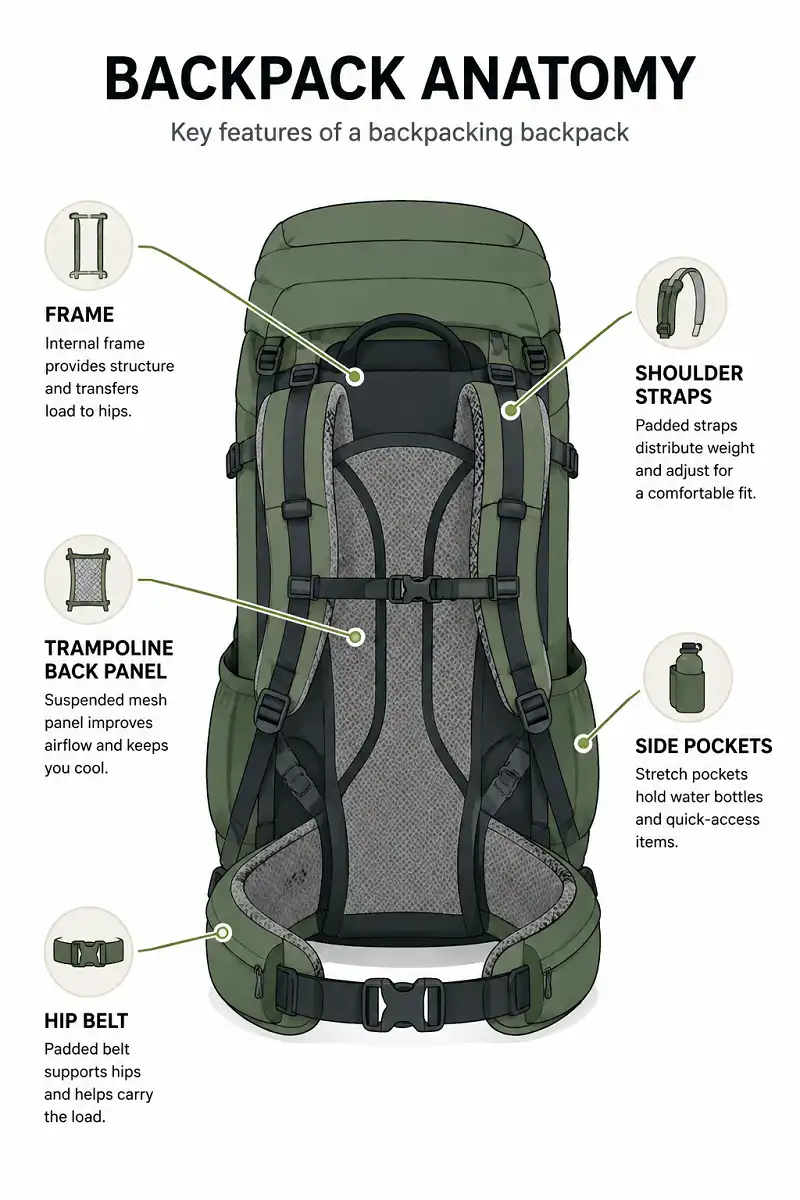
The suspension system—the frame, shoulder straps, and hip belt working together—is what actually transfers weight off your shoulders and onto your hips, which are far better equipped to carry a load. Most modern packs use an internal frame made of aluminum stays, hard plastic, or carbon fiber.
A well-designed suspension can make a heavier pack feel lighter than a poorly designed one that weighs less on paper. Trampoline-style mesh back panels, popularized by Osprey’s Anti-Gravity design, add breathability by suspending the pack away from your back, though they typically top out around 35 to 40 pounds of comfortable carry.
Frameless or minimal-frame packs shave weight but demand careful, tight packing to avoid discomfort.
Durability and Materials
Any candidate for the best backpack for long-distance hiking needs to survive rock scrambles, thorny brush, and being tossed on the ground at every water break. Fabric is usually rated by denier (D), a measure of thread thickness—higher denier generally means tougher, heavier fabric.
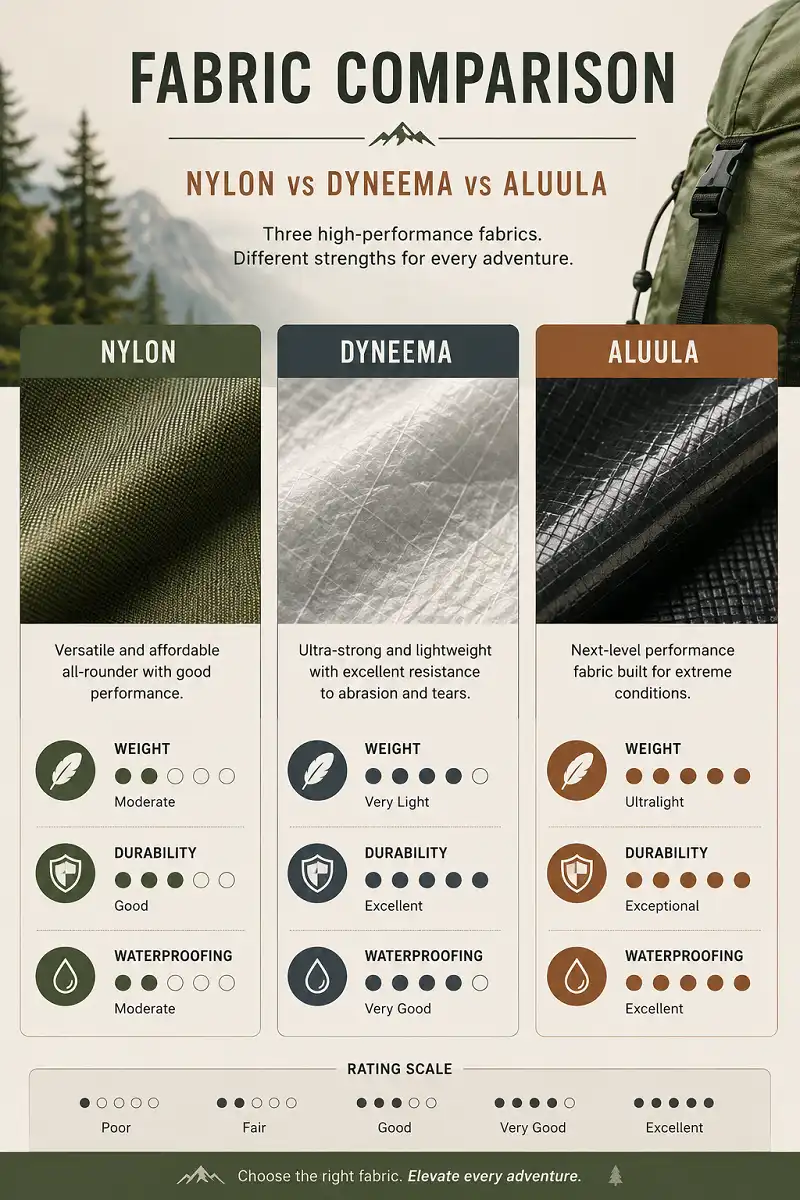
Nylon remains the most common and affordable option, while Dyneema Composite Fabric (DCF) and newer materials like Aluula offer exceptional strength and waterproofing at a fraction of the weight, albeit for a steep price.
For a deeper look at how backpacks compare to other carrying options for extended trips, this Wikipedia overview of wilderness backpacking is a useful primer.
Fit
No pack qualifies as the best backpack for long-distance hiking if it doesn’t fit your body. Torso length—not your height—determines pack size, and hip circumference determines hip belt size. Ill-fitting packs cause shoulder soreness, hip bruising, and pack sway no matter how good the suspension is on paper. We’ll walk through sizing in detail below.
Top Picks for the Best Backpack for Long-Distance Hiking
Below are standout options across different priorities, all strong contenders for the best backpack for long-distance hiking depending on your budget and hiking style. Prices and specific models change often, so treat this as a framework for comparison rather than a fixed shopping list.
Best Overall: Osprey Atmos AG LT 65
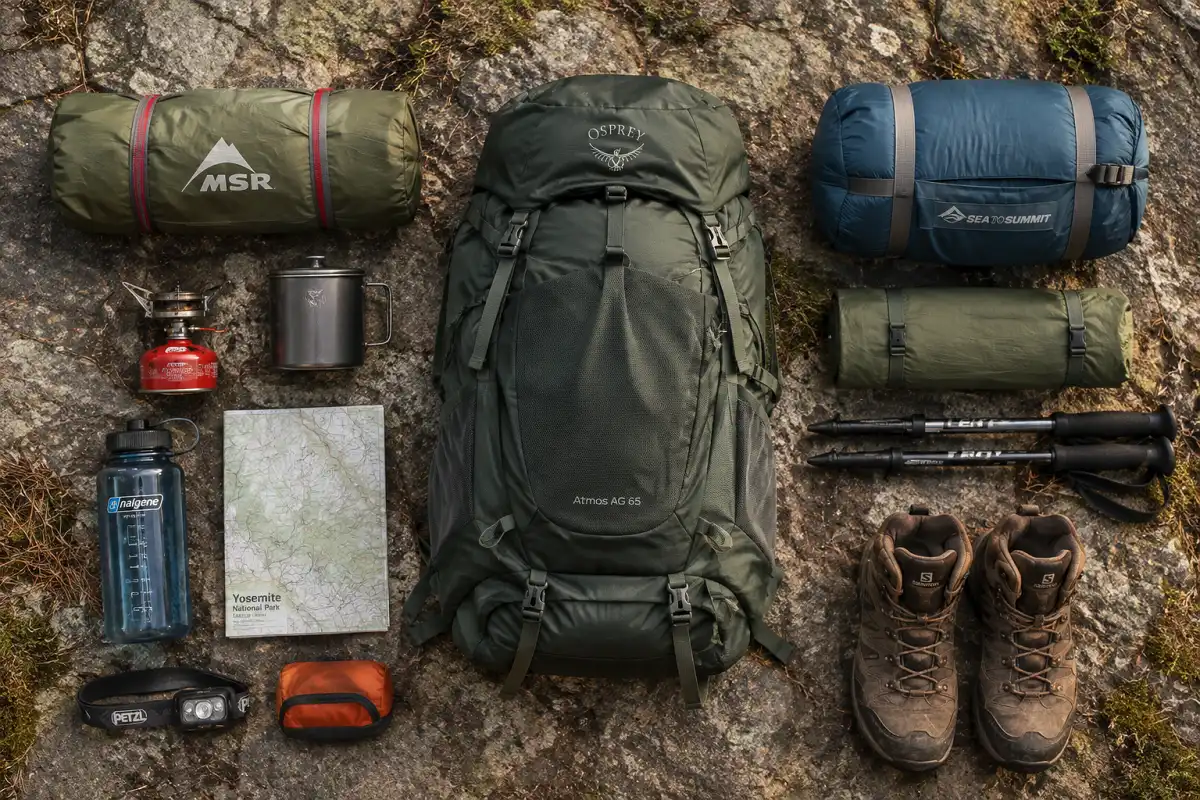
Around 4 pounds, this pack pairs a suspended mesh back panel with a well-padded hip belt, making it one of the most consistently comfortable options for carrying 30 to 40 pounds over multiple days.
It’s not the lightest pack around, but for hikers who want comfort without fully committing to ultralight sacrifices, it’s a benchmark choice.
Best for Beginners: REI Co-op Trailmade 60
Priced well under $200, the Trailmade 60 offers inclusive sizing, straightforward adjustment, and enough organization to get a new backpacker comfortably through weekend trips.
It won’t outperform premium packs on heavy loads, but as an entry point it removes a lot of the guesswork from finding the best backpack for long-distance hiking on a tight budget.
Best Lightweight/Value: REI Co-op Flash 55
Sitting under 3 pounds while still offering a padded hip belt and modular pocket system, the Flash 55 is a strong pick for hikers who want to shed weight without spending ultralight-level money.
Its thinner fabric means it’s better suited to well-maintained trails than serious bushwhacking.
Best Ultralight: Hyperlite Mountain Gear Southwest 55
Built from waterproof Dyneema Woven Composite and weighing under 2 pounds, this pack is a long-trail favorite for a reason.
It sacrifices some padding and adjustability, but for hikers who have their kit dialed in, it’s hard to beat as the best backpack for long-distance hiking when minimizing weight is the top priority.
Best for Heavy Loads: Gregory Baltoro 75
When your trip demands mountaineering gear, winter layers, or multi-day food resupplies, the Baltoro’s steel frame and dense padding can comfortably manage 50-plus pounds.
It’s overkill for a standard weekend trip, but indispensable for expedition-style hiking.
Best Goldilocks Option: Gregory Paragon 60
Landing between ultralight and traditional packs, the Paragon 60 offers a supportive suspension, seven external pockets, and an adjustable fit at a moderate weight—a genuine crowd-pleaser for hikers who don’t want to choose between comfort and a manageable pack weight.
Quick Comparison
| Pack | Approx. Weight | Best For |
|---|---|---|
| Osprey Atmos AG LT 65 | 4 lb | All-around comfort |
| REI Co-op Trailmade 60 | 3.3 lb | Beginners on a budget |
| REI Co-op Flash 55 | 2.8 lb | Lightweight value |
| Hyperlite Southwest 55 | 1.9 lb | Thru-hikers and ultralight |
| Gregory Baltoro 75 | 5 lb | Heavy, gear-intensive loads |
| Gregory Paragon 60 | 3.5 lb | Balanced comfort and weight |
How to Size the Best Backpack for Long-Distance Hiking
Tilt your head forward and find the bony bump at the base of your neck (your C7 vertebra). That’s your starting point. Then locate the top of your hip bones (iliac crest) and trace an imaginary line to your spine.
Wrap a tape measure around your hips at the iliac crest to find your hip belt size.
Every reputable brand publishes torso and hip ranges for each size. Don’t guess based on your height or clothing size.
Fine-Tune the Fit
Once you own the pack, load it with real gear and adjust the torso strap, hip belt, and load lifters until the weight sits on your hips, not your shoulders. A properly fitted hip belt should carry roughly 80% of your total load.
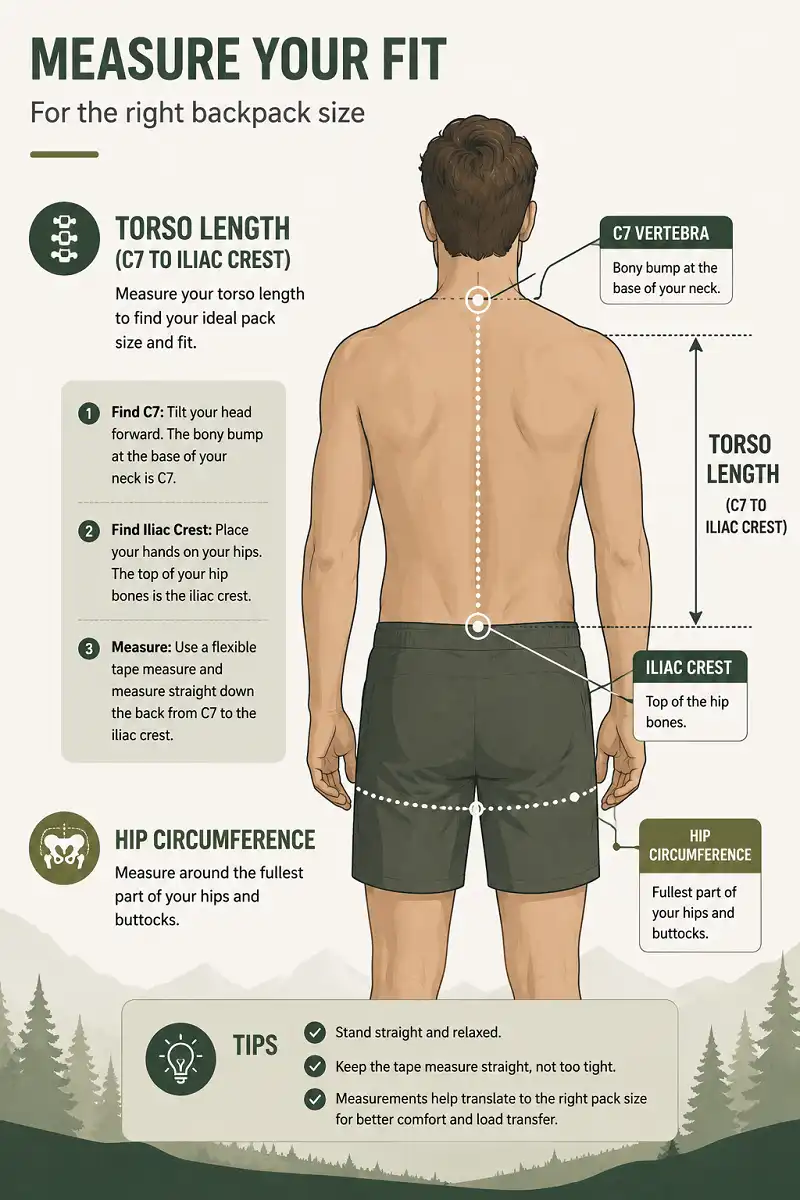
Getting this right is arguably more important than any single feature when you’re hunting for the best backpack for long-distance hiking, since even the most advanced suspension system can’t compensate for the wrong size.
Backpack Materials Explained
The fabric a pack is built from plays a huge role in whether it holds up as the best backpack for long-distance hiking over hundreds or thousands of trail miles.
The industry standard. Affordable, reasonably durable, and available in a wide range of thicknesses (deniers). Ripstop weaves resist tearing better than standard weaves.
Extremely light, fully waterproof, and very tear-resistant, but expensive. Common on ultralight and thru-hiking packs.
A newer, even lighter alternative to DCF that fuses fabric and waterproof film without adhesive, reducing the risk of delamination over time. Still rare and pricey, but gaining traction.
Slightly less strong than nylon by weight but more UV- and abrasion-resistant in some builds, often used on budget-friendly packs.
Common Mistakes When Choosing the Best Backpack for Long-Distance Hiking
A bigger pack invites overpacking. Choose capacity based on your actual gear list, not worst-case scenarios.
Height doesn’t determine fit—torso length does. Always check the brand’s specific sizing chart.
Try on a pack with real weight in it, not empty off a store shelf, before committing.
If your hips are sore after a short test hike, that discomfort will only get worse over multiple days.
Frameless, minimal packs demand a dialed-in gear list. New backpackers are often better served by a pack with more structure and forgiveness.
If you’re planning a trip that mixes hiking with travel days, it’s also worth checking our guide to the best backpack for hiking and travel for options that double as reliable carry-on luggage.
FAQs About Long-Distance Hiking Backpacks
What size backpack is best for long-distance hiking?
For most long-distance hikers, a backpack between 50 and 65 liters offers a useful balance of capacity and manageable weight. Minimalist hikers may be comfortable with a smaller pack, while winter trips or gear-heavy adventures may require 65 liters or more.
How much should a long-distance hiking backpack weigh?
For most hikers, a pack weighing between 2.5 and 4 pounds provides a good balance between support, durability, and weight. Experienced ultralight hikers may prefer packs under 2.5 pounds when their overall gear load is also lightweight.
Is a 60L backpack big enough for a long-distance hike?
Yes. A 60L backpack is a versatile size for many multi-day and long-distance trips. Whether it is enough depends on your gear volume, food carry, weather conditions, and personal packing style. Minimalist hikers may need considerably less space.
Should a hiking backpack sit on your hips or shoulders?
The majority of the load should be carried by the padded hip belt rather than hanging entirely from your shoulders. A properly fitted suspension system transfers much of the backpack’s weight to your hips while the shoulder straps stabilize the pack.
Is an ultralight backpack better for thru-hiking?
An ultralight backpack can be an excellent choice for thru-hiking when your overall gear list is already lightweight and well organized. However, beginners may benefit from a more structured pack because it offers additional support and forgiveness when carrying heavier loads.
Final Thoughts: Picking the Best Backpack for Long-Distance Hiking
Finding the best backpack for long-distance hiking isn’t about chasing the lightest or the most expensive option—it’s about matching weight, capacity, and fit to the trips you actually take.
Get your torso measurement right, load-test before you commit, and choose a capacity that fits your real gear list rather than your imagination.
Do that, and almost any well-built pack from a reputable brand will serve you well for years of trail miles.