Best Backpack for Hiking and Travel: Buying (Guide 2026)
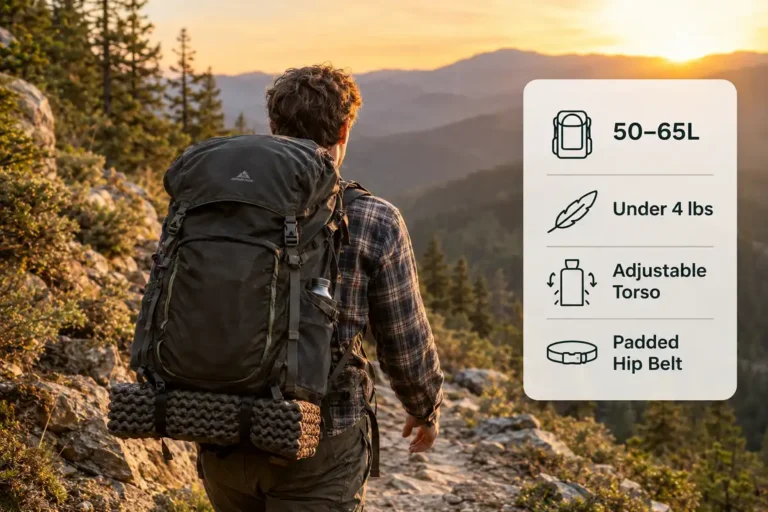
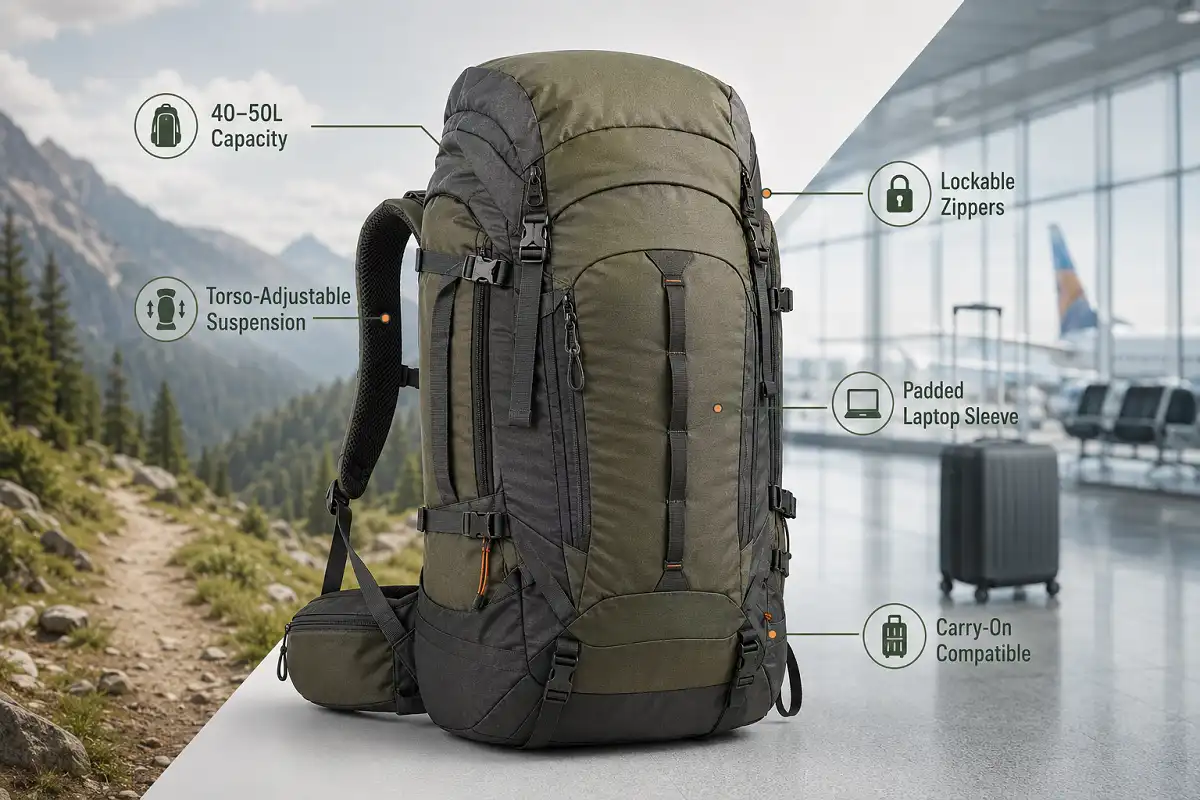
The best backpack for hiking and travel is one that fits your torso correctly, carries roughly 35 to 65 liters depending on trip length, and combines a supportive suspension system with travel-friendly extras like lockable zippers, a padded laptop sleeve, and a suitcase-style main opening.
For most people splitting time between city travel and day hikes, a 40–50L convertible pack in the style of an Osprey Farpoint, Gregory Baltoro, or Osprey Atmos hits the sweet spot of comfort, carry-on compatibility, and trail-ready support. If you mostly stick to short hikes and weekend trips, a lighter 30–35L pack will serve you better and won’t weigh you down in either setting.
Most gear guides make you pick a lane. Hiking sites obsess over suspension systems and denier counts. Travel sites obsess over carry-on limits and laptop sleeves. If you want one bag that handles both a weekend trek and a week abroad, you’re stuck cross-referencing two guides and hoping the advice lines up.
It doesn’t have to work that way. This guide breaks down exactly what makes the best backpack for hiking and travel the right capacity, the right fit, and the handful of features actually worth paying for so you can buy once and pack for both the trailhead and the terminal. By the end, you’ll know exactly what the best backpack for hiking and travel looks like for your own trips.
A frame, hipbelt, and shoulder straps that can comfortably handle heavier loads.
Panel-loading access makes packing and finding your gear much easier.
Useful for trains, hostels, airports, and shared accommodations.
Enough flexibility for day trips through multi-day adventures.
Durable fabric helps the same pack survive both city streets and rocky trails.
What Makes a Hiking-and-Travel Backpack Different?
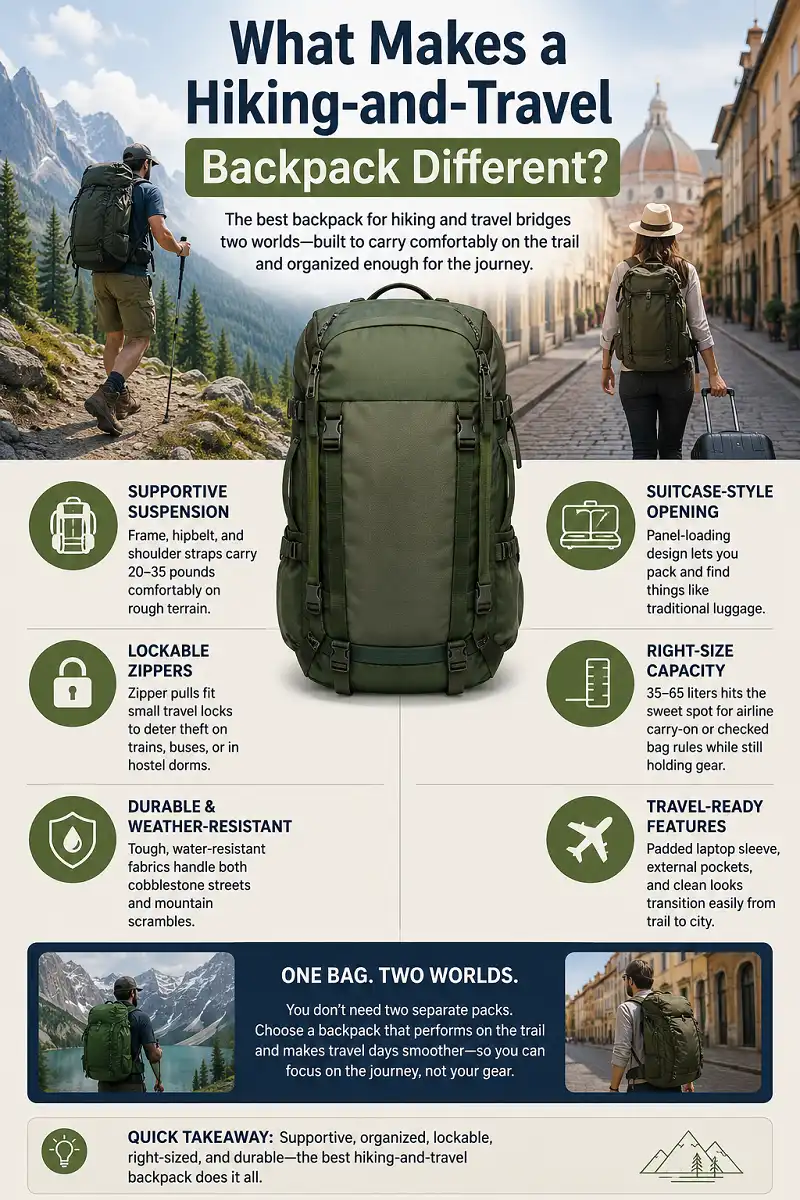
A pack built purely for hiking is optimized for one job: carrying weight comfortably over rough, uneven ground. A pack built purely for travel is optimized for a different job entirely organizing your belongings for a week or two, looking presentable in a hotel lobby, and passing airline size checks without a fight at the gate. The best backpack for hiking and travel has to split the difference without feeling like a compromise on either side.
In practice, that usually means:
- A suspension system (frame, hipbelt, and shoulder straps) supportive enough to carry 20–35 pounds without wrecking your shoulders on a multi-mile approach
- A main compartment that opens like a suitcase (often called “panel-loading”) rather than only from the top, so you can pack and find things the way you would in luggage
- Zipper pulls that accept a small travel lock, to deter opportunistic theft on a train platform or in a hostel dorm
- A capacity in the 35–65-liter range that satisfies airline carry-on or checked-bag rules while still holding a sleeping bag and camp layers
- Durable, weather-resistant fabric that shrugs off both cobblestone streets and granite scrambles
None of this means you need to buy two separate bags. It means you should shop with both use cases in mind from the start, rather than discovering the gaps in your gear halfway through a trip.
How Much Capacity Do You Actually Need?
Capacity, measured in liters, is the first real decision point for anyone shopping for a backpack, and it matters even more when you’re after the best backpack for hiking and travel, because the “right” size depends on how you’ll actually split your time.
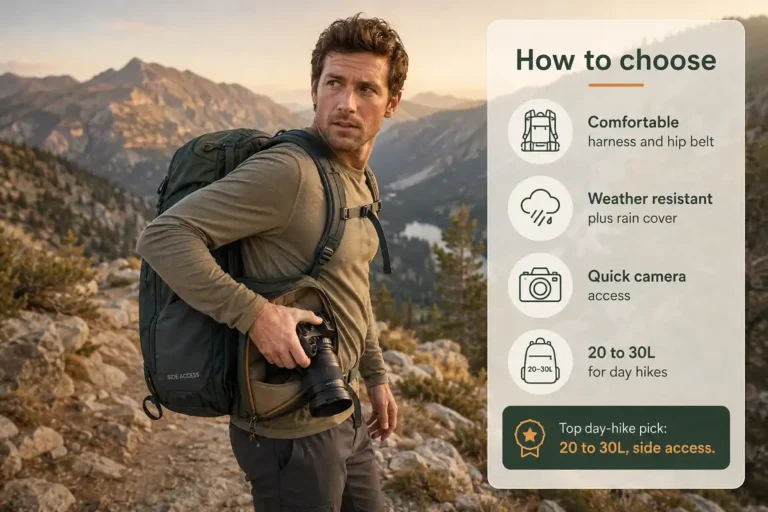
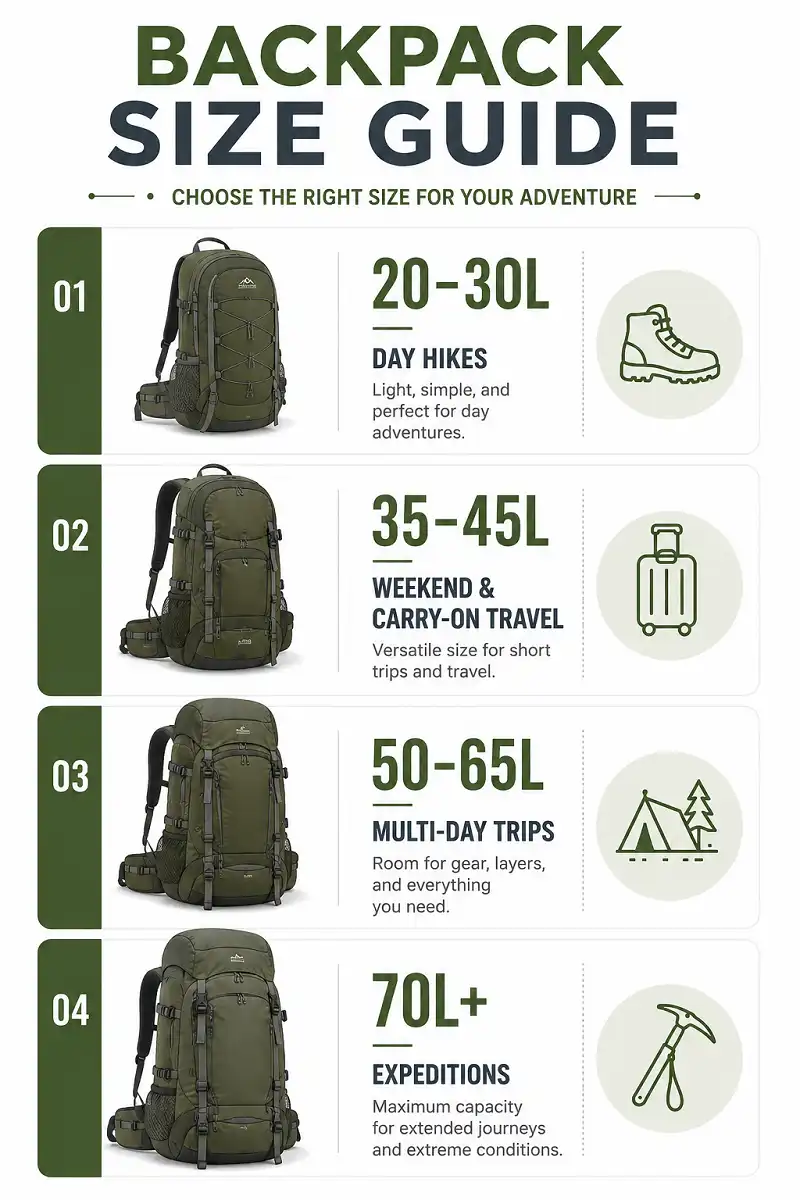
- 20–30L: Ideal for day hikes, a single overnight in a hut, or a light-packing weekend city trip. Too small for camping gear or more than a few days of clothing.
- 35–45L: The sweet spot for most hybrid travelers. This range typically meets international carry-on size limits, holds roughly a week of clothing, and can still handle a two- to three-day backpacking trip if you pack efficiently.
- 50–65L: Better suited to longer backpacking trips (four days or more), cold-weather layers, or travelers who plan to check a bag and want breathing room.
- 70L+: Overkill for most travel itineraries, but genuinely useful for expedition-style trips, shared group gear, or hikers who simply pack heavier than average.
One quirk worth knowing before you buy: liter ratings aren’t standardized across brands. Some manufacturers count every pocket and side pouch toward the total, while others only measure the main compartment. Two “45-liter” packs from different brands can look, and pack, noticeably differently. Don’t shop by the liter number alone check the actual dimensions, and load the pack with your own gear in-store if you can.
As a general rule, most healthy adults can comfortably carry 15 to 20 percent of their body weight over a full day of hiking, and slightly more for shorter stretches. If you regularly find yourself stuffing a smaller pack past its limit, that’s a sign to size up rather than push through discomfort a properly sized bag is still the single biggest factor in finding the best backpack for hiking and travel for your body.
Choosing the Best Backpack for Hiking and Travel by Trip Type
Day Hikes and Short City Trips
If your trips rarely last more than a day, a 20–30L pack is plenty. Look for a lightweight build, a hydration sleeve, hip or sternum straps for stability on uneven terrain, and a front pocket you can reach without taking the whole pack off. For city use, the same size works well as an everyday carry just prioritize a padded laptop sleeve and a slightly more low-key look if you’ll be wearing it around town.
If you’re just getting into hiking and aren’t sure how far a day pack should take you, our guide on how to start hiking covers the basics of building up mileage and picking your first few trails before you invest in bigger gear.
Weekend Trips and Carry-On Travel
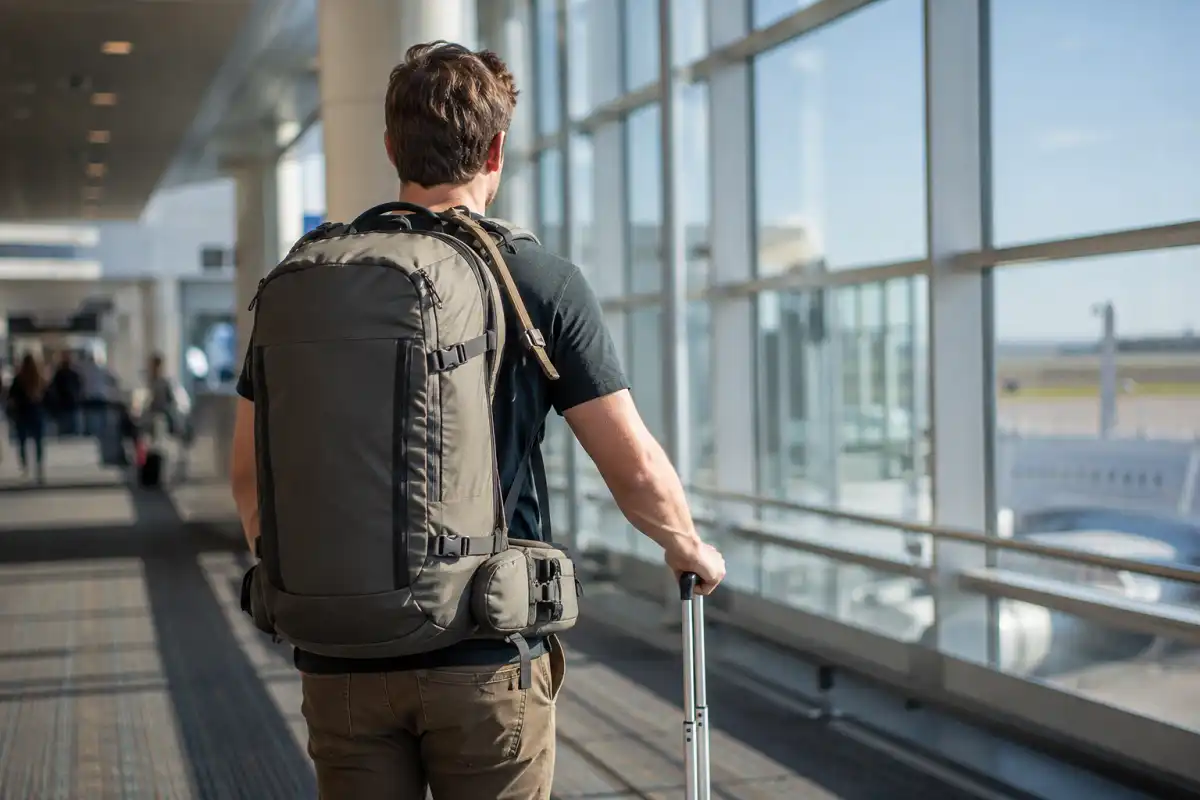
This is where most people land, and it’s where the idea of a true best backpack for hiking and travel really pays off. A 40–50L pack is large enough to handle two or three nights of backpacking gear, or a full week of travel clothing if you pack smart, and it usually fits airline carry-on sizing (check your specific airline’s dimensions before flying, since limits vary).
Look for packs that convert between a structured, suitcase-style opening for travel days and a more streamlined, top-loading mode for the trail. Many travel-oriented packs in this category also include a stowable harness the shoulder straps and hipbelt zip away behind a flap so you can check the bag or set it on a luggage cart without straps catching on conveyor belts.
Multi-Day Backpacking and Longer Travel
For trips running four days or longer, whether that’s a backcountry trek or an extended international trip where you’re doing laundry along the way, a 55–65L pack gives you the room to work with. At this size, prioritize a proper internal frame and a padded, structured hipbelt the difference in comfort over a full day’s carry is dramatic once you’re past the 30-pound mark.
If you’re bringing camera gear on your trips, it’s worth reading our breakdown of the best backpack for camera and hiking , since padded camera inserts and easy-access compartments change what to look for.
Getting the Fit Right
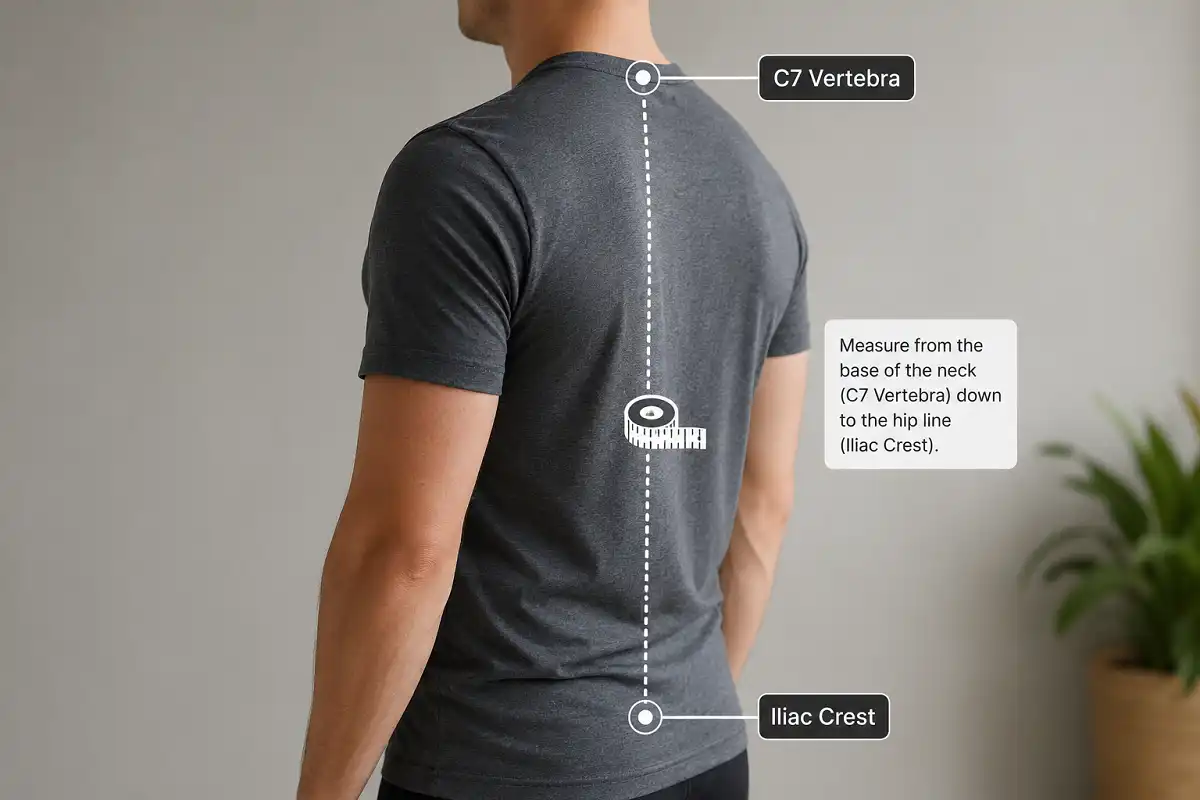
Comfort has far more to do with fit than with brand name or price tag. Before anything else, measure your torso length: locate the bony bump at the base of your neck (your C7 vertebra), then find the point where your hip bones meet your spine. The distance between those two points is your torso length, and it’s what backpack sizing charts (XS through L, or specific inch ranges) are built around not your height.
Hipbelt Position
The hipbelt should sit right on top of your hip bones, not your waist, and should carry the majority of the load not your shoulders.
Shoulder Straps
Shoulder straps should hug your shoulders without gapping or digging in. Load lifter straps fine-tune this angle.
Women’s-Specific Fit
Women’s-specific packs typically use a shorter torso length and narrower shoulder strap spacing. Anyone with a shorter torso or narrower frame may prefer this fit.
Test It Loaded
Always try a pack on loaded with some real weight, not empty off the shelf. An empty pack tells you almost nothing about how it will feel eight miles into a hike.
Fit Comes First
Getting this step right is arguably more important than any single feature on our list even the best backpack for hiking and travel will feel miserable if it’s sized wrong for your torso.
Materials and Durability
Fabric choice affects weight, cost, and how much abuse a pack can take.
The most common and budget-friendly option. Thickness is measured in denier (D) a 400D fabric is noticeably tougher and heavier than a 100D fabric.
A reinforcing crosshatch pattern helps stop small tears from spreading, making it a smart middle ground between durability and weight.
Extremely light, fully waterproof, and remarkably strong for its weight, though it comes at a premium price.
Newer materials like Aluula aim to match or beat Dyneema’s strength-to-weight ratio using a bonded, two-layer construction.
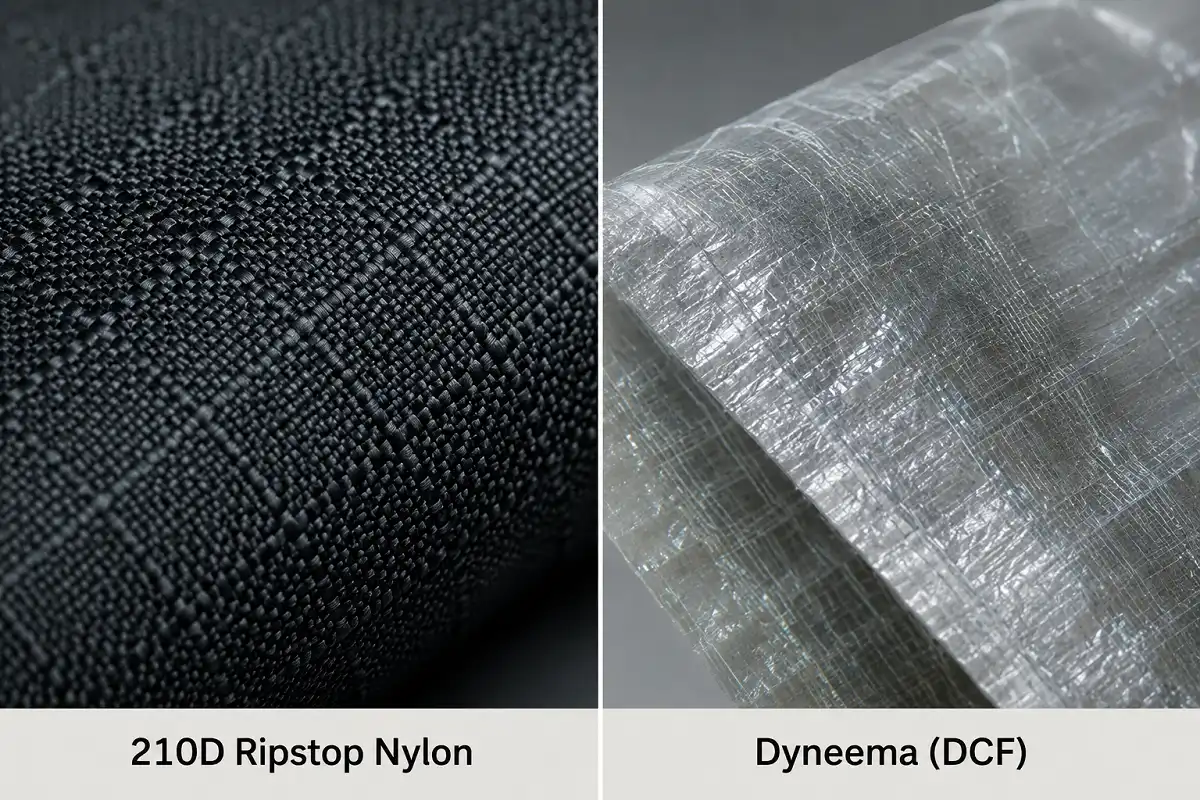
For a pack that has to survive both cobblestones and rocky trail, mid-weight ripstop nylon (roughly 200–400D) is usually the most practical choice durable enough for years of travel and hiking use without the steep price tag of specialty fabrics.
If you’ll be caught in rain regularly, look for a pack with an included rain cover or a factory DWR (durable water repellent) coating, since even the best backpack for hiking and travel isn’t fully waterproof unless it’s specifically built and sealed for it.
Suspension, Frame, and Ventilation
Suspension is where the best backpack for hiking and travel really earns its price tag. The system the internal frame, hipbelt, and shoulder straps working together is what actually transfers weight off your shoulders and onto your hips and legs, where your body can handle it far more efficiently.
Packs under about 30L often skip a rigid frame entirely, relying on a stiffened foam back panel instead; that’s fine for light loads but starts to feel unsupported past 15–20 pounds.
Trampoline-Style Mesh
- Taut mesh sits away from the back panel.
- Creates a larger airflow channel.
- Excellent breathability.
- Can feel slightly less stable under very heavy loads.
Channeled Foam
- Padding uses grooves for airflow.
- Provides a closer back-to-pack connection.
- Offers a stable carry.
- Ventilation is less dramatic than trampoline mesh.
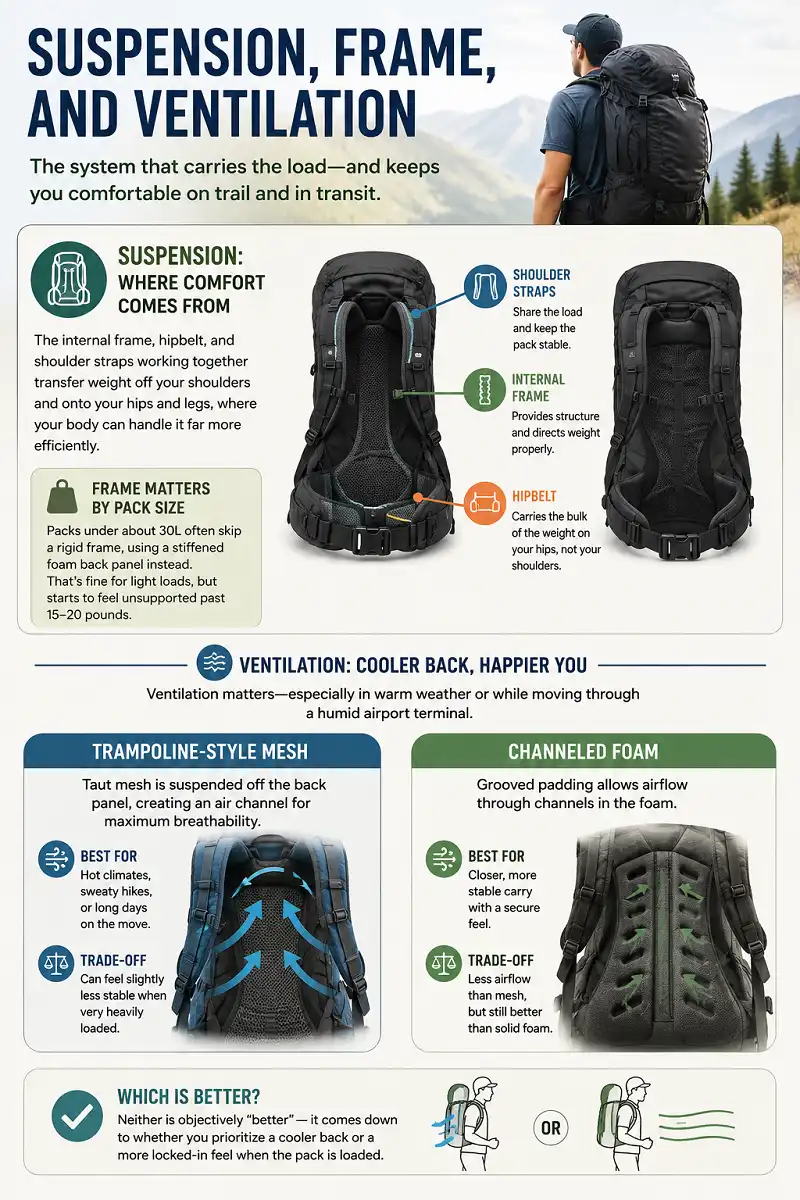
Neither is objectively “better” it comes down to whether you prioritize a cooler back or a slightly more locked-in feel when the pack is loaded.
Organization Features That Actually Matter
It’s easy to get distracted by a long feature list, so here’s what’s genuinely worth prioritizing when you’re weighing which pockets actually make the best backpack for hiking and travel worth its cost:
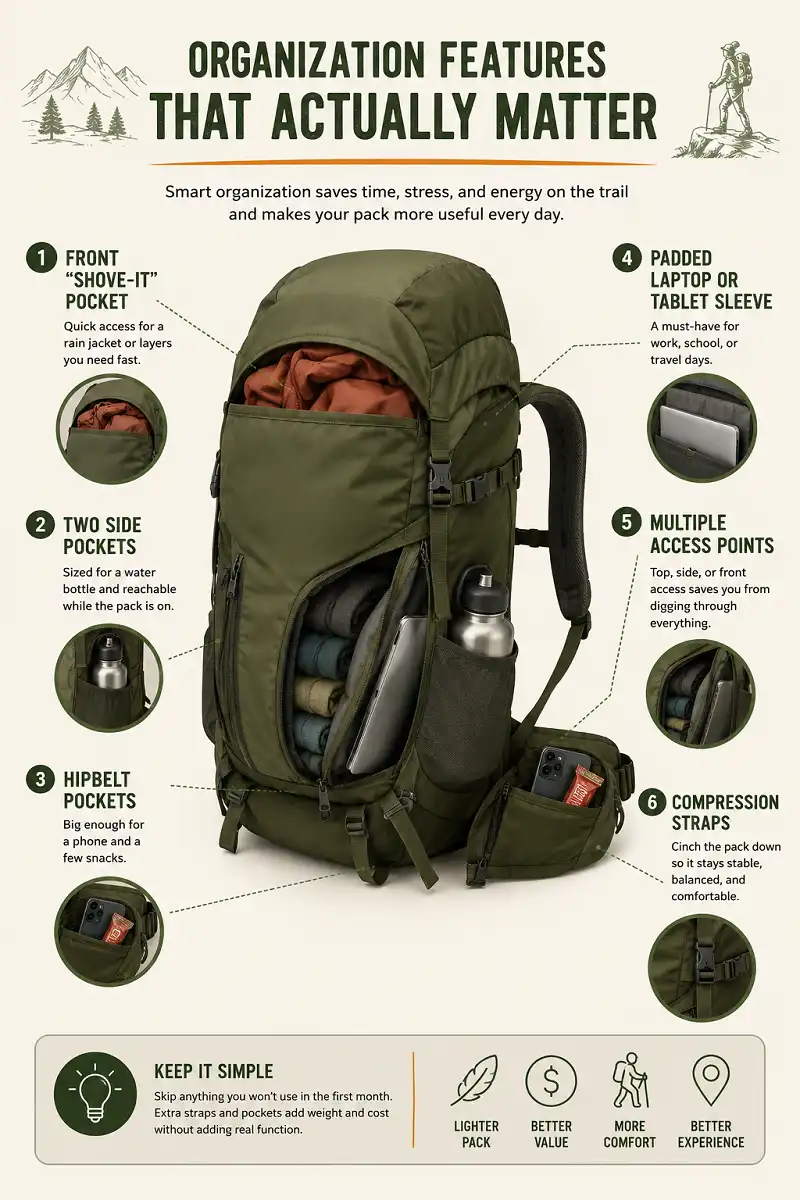
Store a rain jacket or layer you need quickly without opening the main compartment.
Two pockets should ideally be reachable while the pack is still on.
Big enough for your phone, snacks, and small trail essentials.
Especially useful when the same pack doubles as a commuter or travel bag.
Top, side, or front access means less digging through your entire pack.
Don’t Pay for Features You Won’t Use
Skip anything you can’t picture yourself using in the first month of ownership. Extra straps and pockets add weight and cost without adding real function.
Travel-Specific Features Hikers Often Overlook
This is where most pure hiking guides fall short, and where the best backpack for hiking and travel earns its keep on the road:
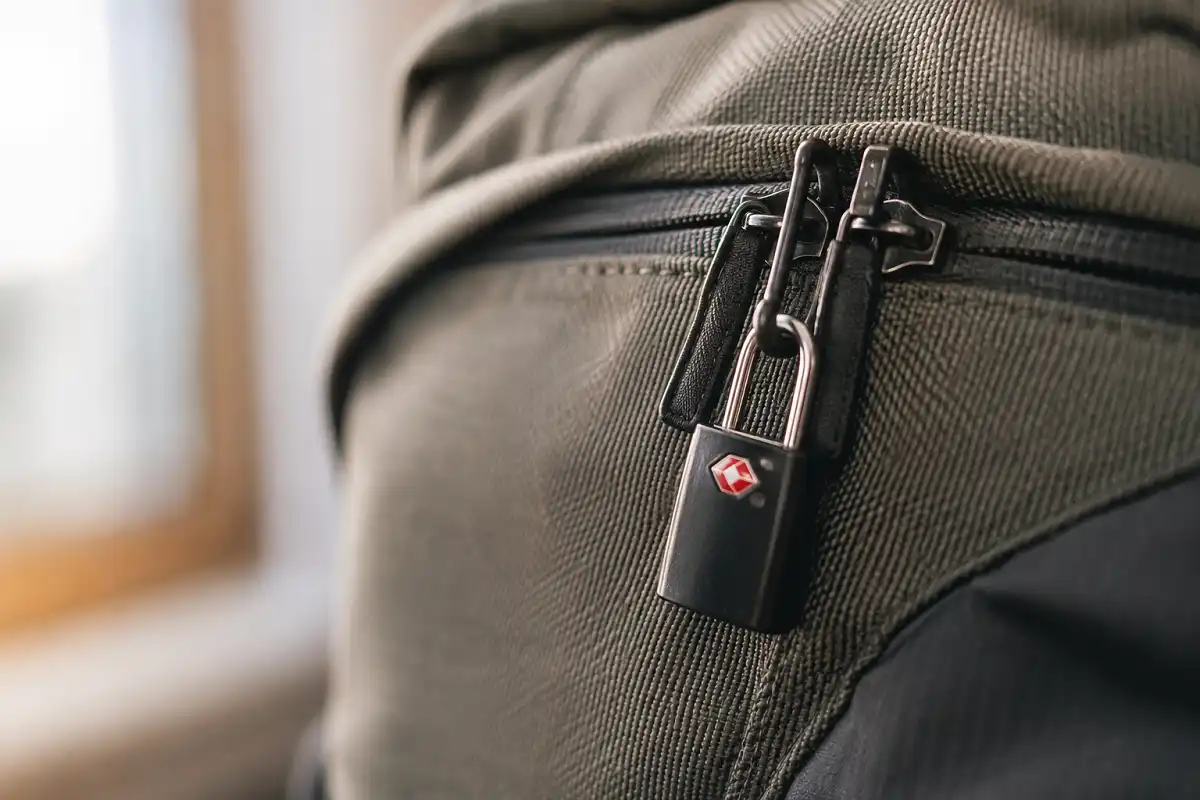
Paired zipper pulls that accept a small TSA-approved padlock add real peace of mind in hostels, overnight trains, and shared transit.
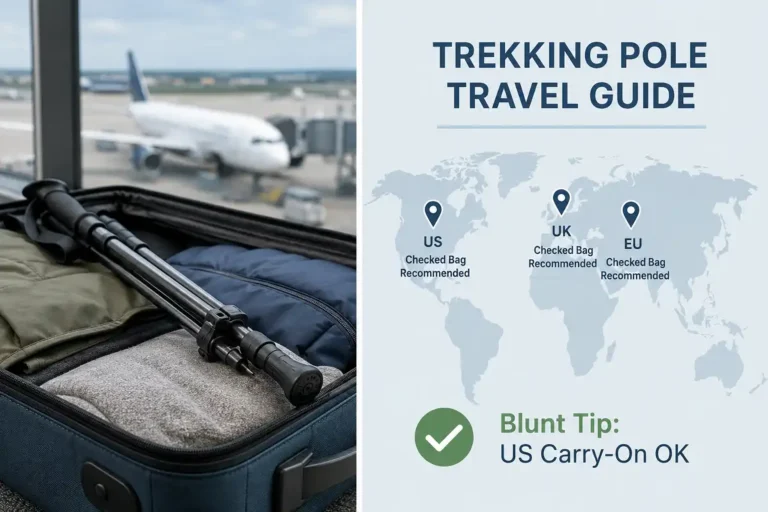
U.S. domestic carriers typically cap carry-ons around 22 × 14 × 9 inches, though this varies by airline.
Zipping the shoulder straps and hipbelt away protects them from baggage handling equipment.
Panel-loading access lets you see and reach your gear much like a rolling suitcase.
Most international carriers cap checked luggage at 50 lbs (23 kg), so keep this ceiling in mind when deciding on capacity.
None of these features matter much on a weekend trail trip, but they make a genuine difference for anyone using the same pack to fly, take trains, and stay in shared accommodations between hikes.
Hiking Backpack vs Travel Backpack vs Hybrid
Which Style Fits Your Trips?
Hiking-Focused Pack
- Top-loading
- Full internal frame
- Padded hipbelt
- Laptop sleeve is rare
- Lockable zippers are rare
- Best for multi-day treks and alpine trips
Hybrid Pack
- Both top and panel access
- Full frame with stowable harness
- Laptop sleeve
- Lockable zippers
- 35–50L typical capacity
- Best for mixed hiking-and-travel itineraries
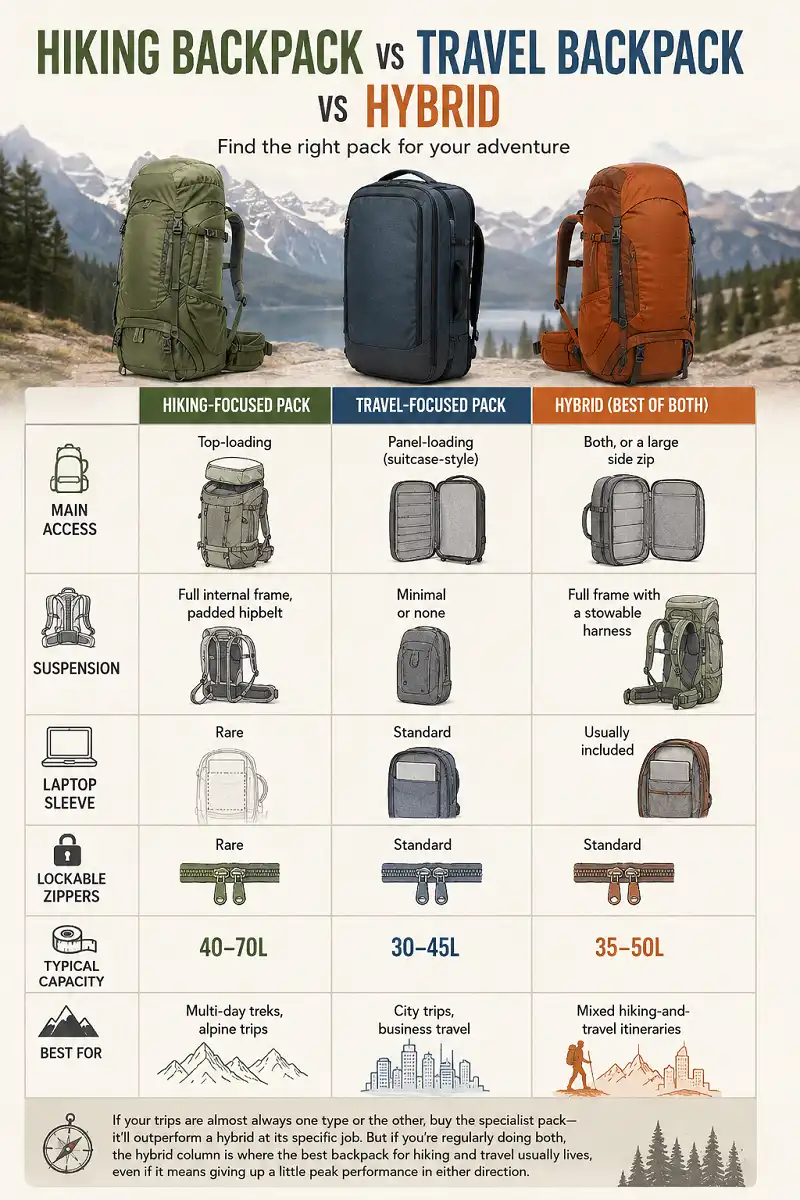
If your trips are almost always one type or the other, buy the specialist pack it’ll outperform a hybrid at its specific job. But if you’re regularly doing both, the hybrid column is where the best backpack for hiking and travel usually lives, even if it means giving up a little peak performance in either direction.
Common Mistakes to Avoid
Ratings vary too much between brands to compare on that number by itself.
The wrong torso length or hipbelt can make an otherwise excellent pack painful.
A too-large pack invites overpacking and makes your overall load heavier.
Always confirm carry-on dimensions for your specific airline before traveling.
Dark fabrics can run noticeably hotter on exposed trail sections.
The best backpack is the one that fits your torso and matches your actual trips.
Best Backpack for Hiking and Travel FAQs
What size backpack is best for both hiking and travel?
A 40–50L backpack is the best overall compromise for most people who want one bag for hiking and travel. It offers enough room for several days of hiking gear while remaining compact enough for many carry-on situations. Always check your airline’s exact dimensions before flying.
Can I use a travel backpack for hiking?
Yes, but it depends on the suspension system. A travel backpack with a proper internal frame, padded hipbelt, comfortable shoulder straps, and load-management features can work well for moderate hikes. A travel pack without meaningful suspension is better suited to city travel and lighter loads.
Is a 40L backpack enough for a week of travel?
Yes, for many travelers who pack efficiently. A 40L pack can hold roughly a week’s worth of clothing when you use lightweight layers, limit duplicates, and plan to do laundry. It can also work well for short backpacking trips when your camping gear is compact.
How do I know if a hiking and travel backpack fits correctly?
Start by measuring your torso from the C7 vertebra at the base of your neck to the point where your hip bones meet your spine. The hipbelt should sit over your hip bones, while the shoulder straps should hug your shoulders without creating uncomfortable pressure or gaps. Whenever possible, test the pack loaded with realistic weight.
Are hybrid hiking and travel backpacks worth it?
They are worth considering if you regularly combine hiking and travel. A good hybrid gives you hiking-friendly suspension along with travel features such as panel-loading access, lockable zippers, a laptop sleeve, and a stowable harness. If you only hike or only travel, however, a specialist pack may perform better for that specific purpose.
Final Verdict
The Best Backpack Is the One That Fits Your Real Trips
Choosing the best backpack for hiking and travel comes down to being honest about how you actually use your gear. If you’re mostly hitting local trails on weekends, don’t overbuy a travel-optimized pack you’ll never fly with.
If you’re splitting your year between airports and alpine passes, a 40–50L hybrid pack with a real suspension system, a suitcase-style opening, and a few security features will earn its keep on both fronts.
Get the torso fit right first, choose capacity based on your actual trips rather than your longest hypothetical one, and the rest of the decision gets a lot simpler.
For more ideas on where to put your new pack to work, take a look at our list of some of the best hiking destinations in the world and, as always, you can learn more about the backpack’s history and design as a category on Wikipedia .
Choose the pack that fits your torso, matches your actual trip length, and gives you the right balance between trail comfort and travel convenience.