Best Hiking Destinations in the World: A Trail-by-Trail Guide
Booking a big trip means burning real vacation days and a chunk of savings, so the trail on the other end has to earn it. That pressure is exactly why I put this shortlist together. These are the best hiking destinations in the world, chosen because the payoff matches the effort and the logistics hold up in practice. I have not stood on every summit here. For the trails I have not walked myself, I leaned on hikers I trust and current official sources, then checked the 2026 details so you can plan around them instead of getting surprised at a trailhead gate.
The best hiking destinations in the world split into a few clear buckets. For a first big trek, start with the Tour du Mont Blanc or the Isle of Skye. For a bucket-list summit, look hard at Kilimanjaro or Mount Fuji. When raw scenery is the whole point, Patagonia, the Inca Trail, the Annapurna Circuit, and the Milford Track lead the pack. Match the trail to your fitness first, then book the permits early, because the best ones sell out fast.
What Makes a Hiking Destination Worth the Trip
A destination earns a place here when three things line up. First, trail variety, so one bad weather day does not sink the whole trip. Second, a strong payoff for the effort, because plenty of trails ask a lot and hand back very little. Third, logistics that actually hold together: access, permits, huts or campsites, and a season when the weather cooperates.
I ranked every trail below against those three filters, not against raw elevation or how good a summit photo looks online. That last part matters more than people admit. A trail can photograph beautifully and still be a grind with no payoff. Another can offer a stunning summit yet bury you in a permit process that drains your patience before you ever lace up. So I weighted the boring stuff, like booking windows and access, as heavily as the views.
The Best Hiking Destinations in the World, Region by Region
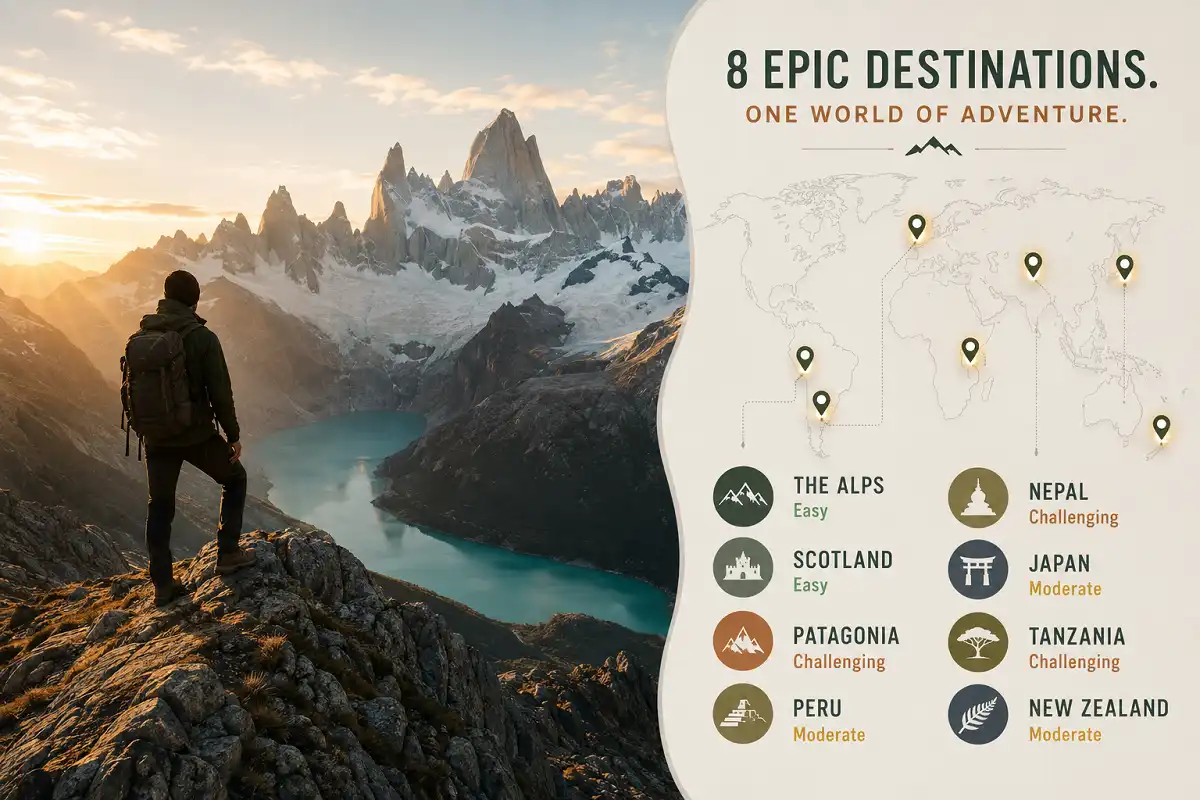
Here are the best hiking destinations in the world, grouped by region, with quick facts up top so you can scan and compare fast.
Tour du Mont Blanc (France, Italy, Switzerland)
This loop runs about 170 kilometers around the Mont Blanc massif and crosses three countries in roughly 10 to 11 days. For a first multi-day trek, few routes beat it. The trail stays well marked, refuges mean you skip carrying a tent, and the daily mileage pushes you without ever turning technical. One afternoon you eat a proper lunch in a French valley. The next you cross into Italy with the massif hanging over your shoulder. Altitude never becomes a problem here, since the high points sit around 2,600 meters. The route counts as one of Europe’s classic long-distance walks , and it inspired the design of plenty of other treks since.
Isle of Skye, Scotland
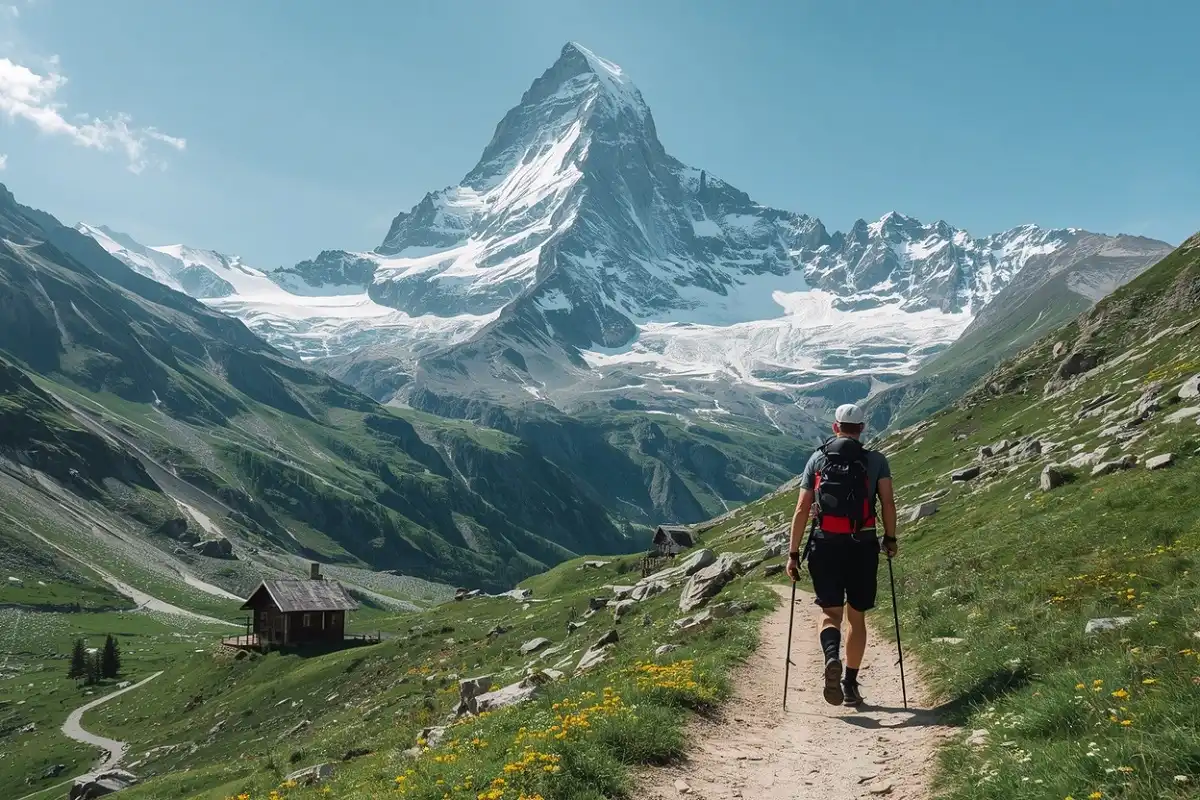
Skye rewards hikers who accept weather that changes its mind four times before lunch. The Cuillin Ridge is a serious scramble for experienced mountaineers only. Still, the island’s real gift is how much it hands everyone else: coastal walks past sea cliffs, the strange rock towers of the Quiraing, and short out-and-back trails to viewpoints that look edited until you stand there. Layers are not optional. In a single afternoon the island can throw sun, wind, and rain at you, so pack for all three. If you plan to haul camera gear up here , keep the load balanced and quick to reach.
Patagonia: Torres del Paine and Los Glaciares (Chile and Argentina)
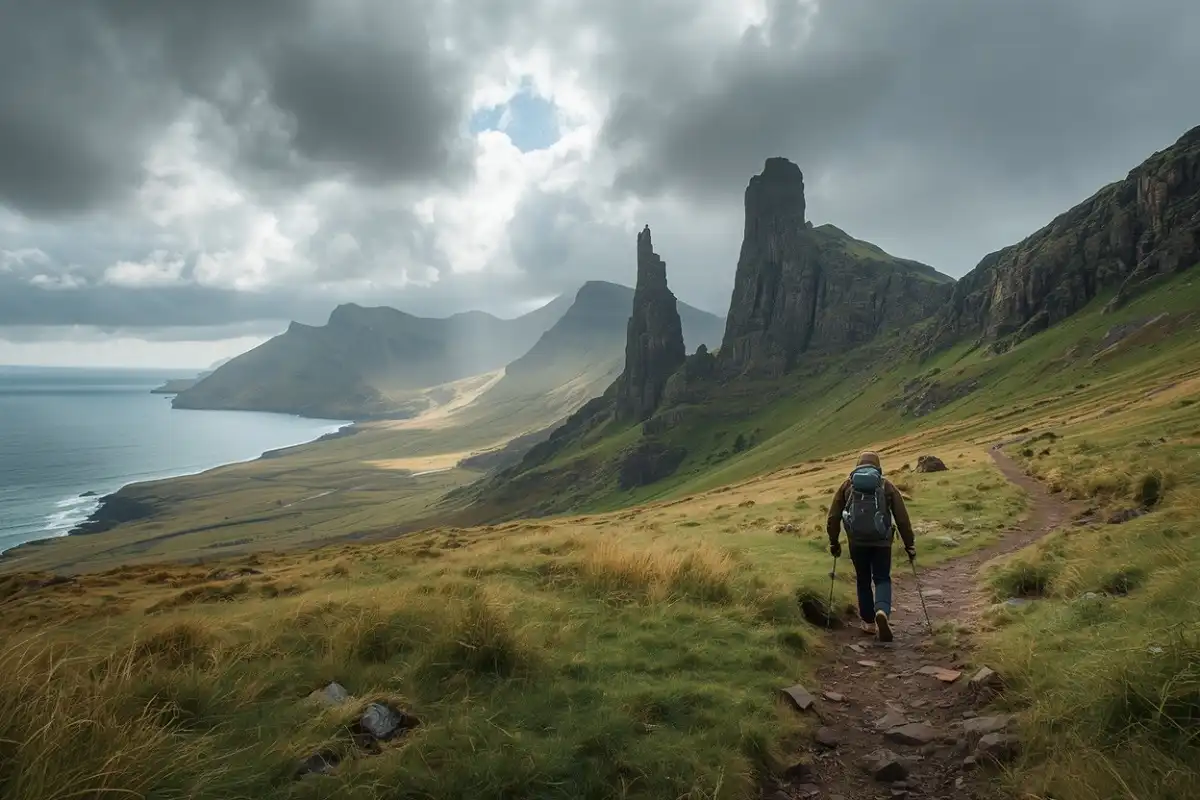
Split between Chile and Argentina, Patagonia is where difficulty and reward both peak. The W trek in Torres del Paine covers roughly 80 kilometers over four to five days and delivers granite towers, turquoise lakes, and a hanging glacier without any technical skill. You mainly need stamina and a high tolerance for wind. Across the border near El Chaltén, the day hike to Laguna de los Tres beneath Mount Fitz Roy climbs hard and ends at one of the most photographed viewpoints on the continent. Weather here does not negotiate, so buffer days matter more than almost anywhere else on this list. Plan an extra day or two, because a single storm can close the towers viewpoint for the whole time you are there.
Inca Trail to Machu Picchu, Peru
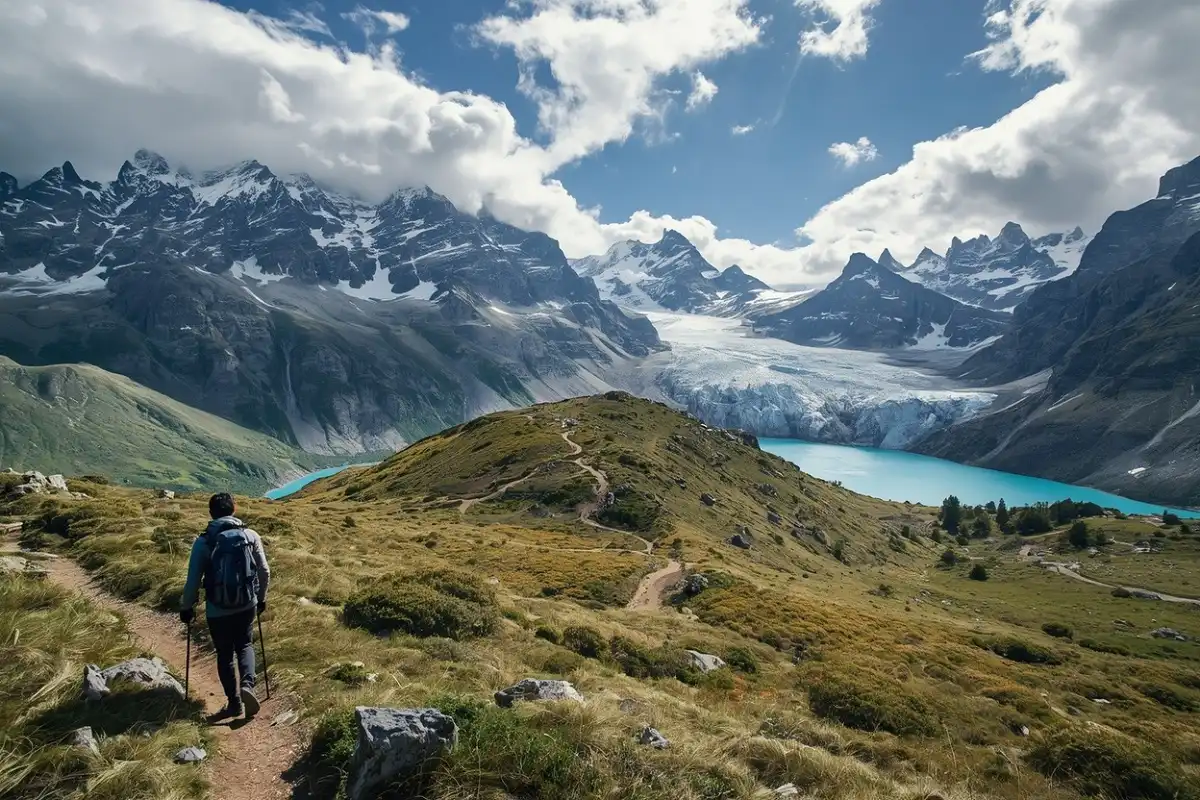
Faster and cheaper ways to reach Machu Picchu exist, yet none arrive the way this one does, through the Sun Gate at dawn with the ruins spread out below. The classic four-day route crosses high passes, with the top one, Dead Woman’s Pass, sitting around 4,200 meters, so acclimatization matters more than raw fitness. Here is the 2026 part you cannot skip. Only 500 trail permits go out per day, and roughly 200 of those go to trekkers, since guides, cooks, and porters fill the rest. Peru also requires you to book through a licensed operator, because Peru does not allow independent hiking on the trail. Permits for the season release in October and sell out within hours for peak dates, so this is genuinely the one trip you cannot leave until the last minute.
Annapurna Circuit, Nepal
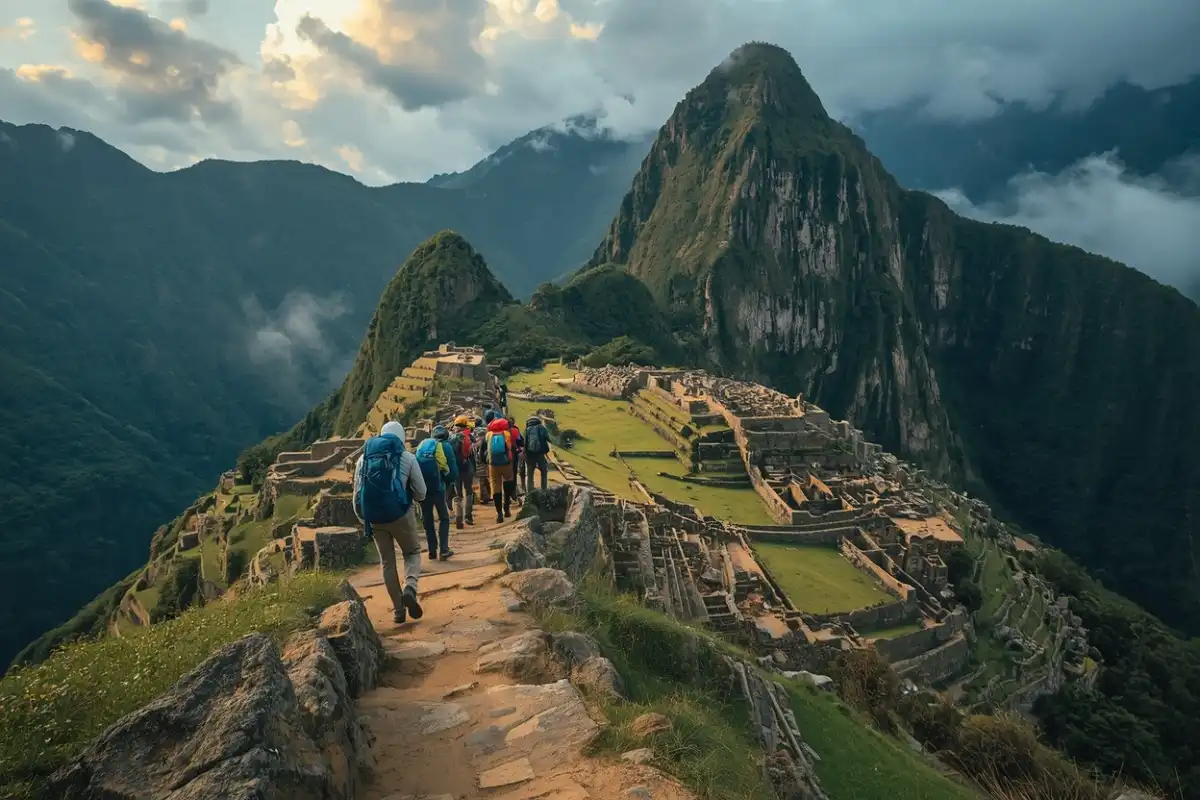
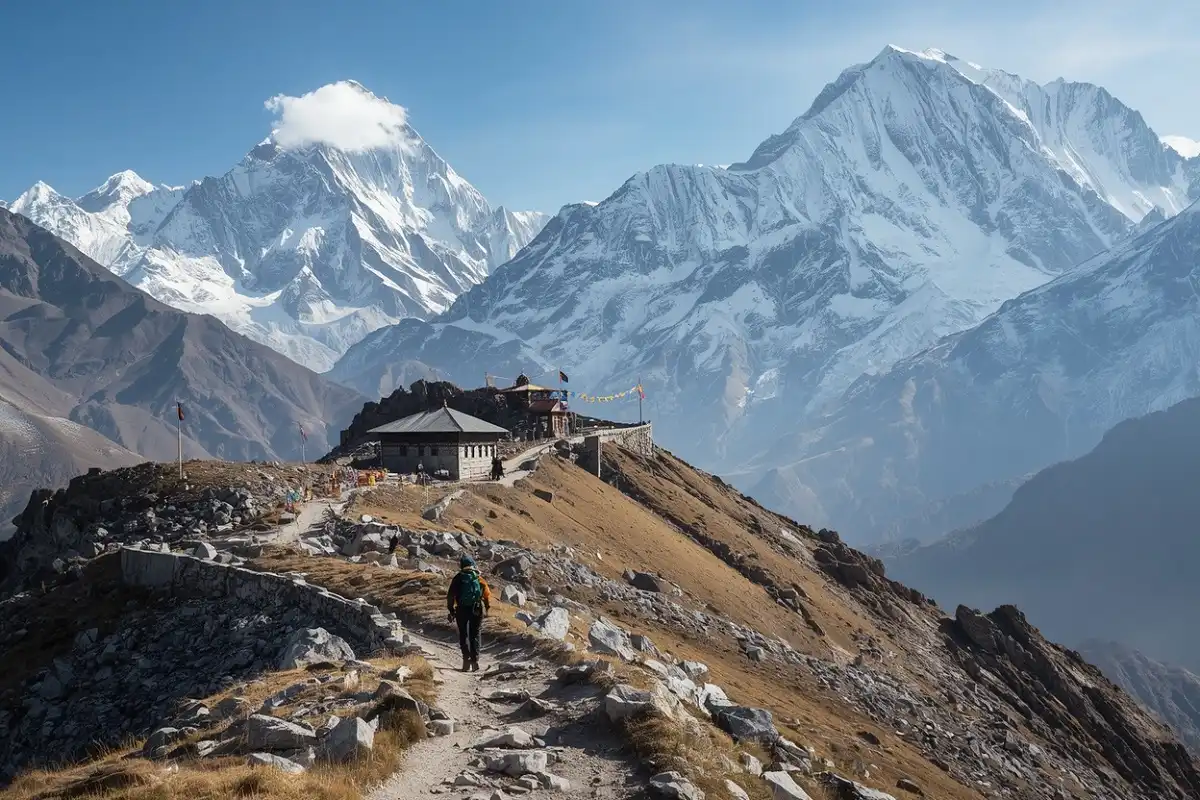
Few treks transform as much day to day as this one. You start among rice paddies and warm river valleys, then finish by crossing Thorong La Pass at 5,416 meters, ringed by peaks that make the phrase “mountain range” feel like an understatement. Teahouses along the way mean lighter packs and hot meals, which is real mercy at altitude. One change worth knowing about: road building has shortened the lower sections, so many trekkers now do the circuit in about two weeks using jeep transfers instead of the old three-week slog. Nepal also requires a licensed guide for this route now, so factor that cost into your budget and booking from the start.
Mount Fuji, Japan
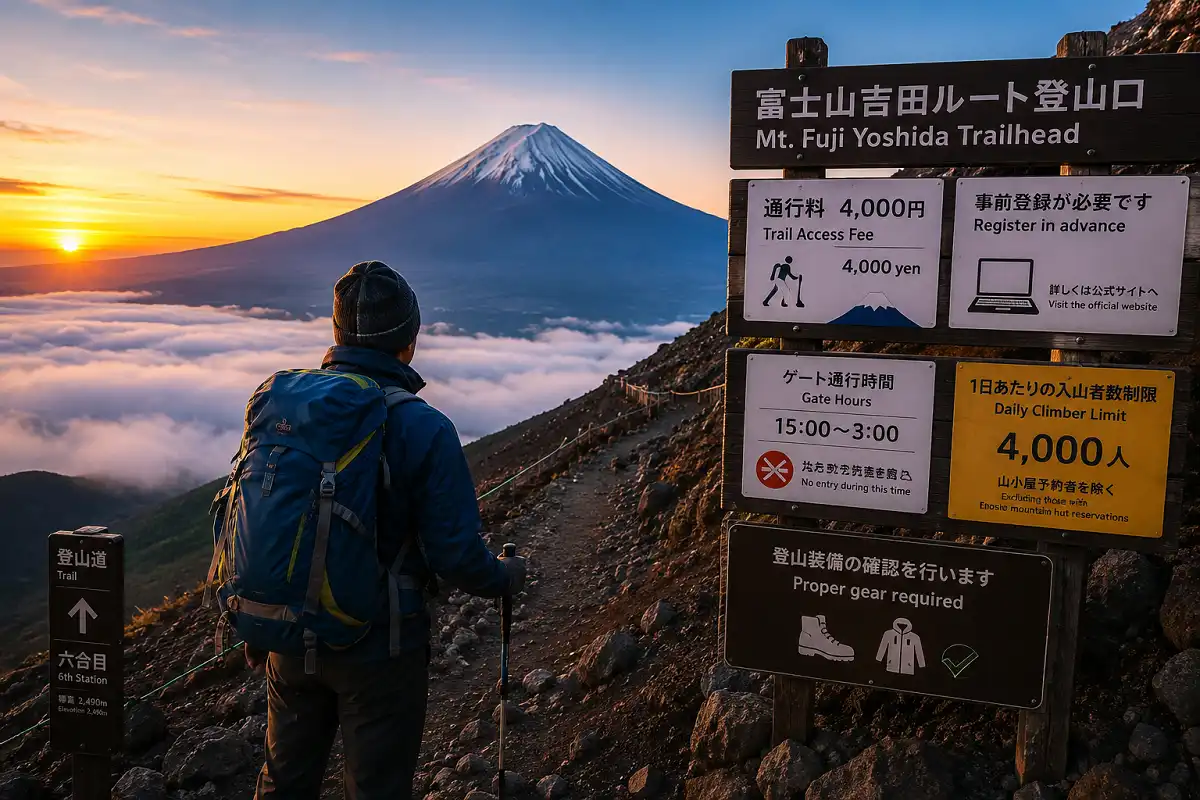
Fuji fools people. At 3,776 meters, the route to the top is not technical, closer to a very long, very steep staircase, but the altitude and the overnight timing make it harder than the photos suggest. Most climbers go through the night to catch sunrise from the top, then descend on tired legs. The 2026 rules also changed a lot, so read this before you book. Every one of the four main trails now charges a 4,000 yen entry fee, and you register online in advance through the official system. On the popular Yoshida Trail, a daily cap of 4,000 climbers applies unless you hold a mountain hut reservation. Gates on every trail also close from 2 p.m. to 3 a.m. to stop dangerous overnight dashes, so without a hut booking you cannot pass during those hours. Rangers even check that you carry proper boots and rain gear before they wave you through.
Mount Kilimanjaro, Tanzania
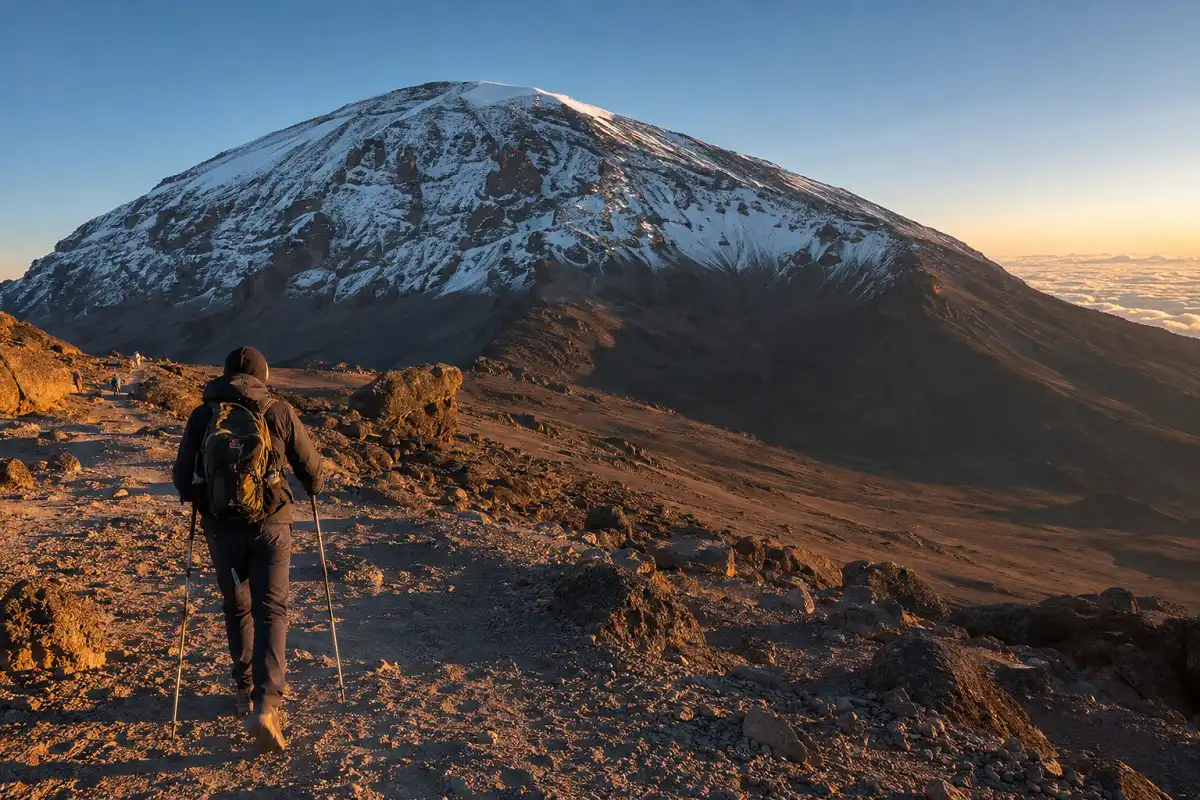
Kilimanjaro is the rare highest point on a continent that asks for no ropes, crampons, or climbing background, just a stubborn will and a route that gives your body time to adjust. That adjustment is everything. Routes like Lemosho and Machame run six to eight days and pass through five climate zones, from rainforest to alpine desert to an arctic summit, before the final midnight push to Uhuru Peak at 5,895 meters. Longer routes cost more, but the extra days buy acclimatization, and acclimatization is what gets most people to the top. So do not pick the shortest option just to save money, because a failed summit is the most expensive outcome of all.
Milford Track, New Zealand
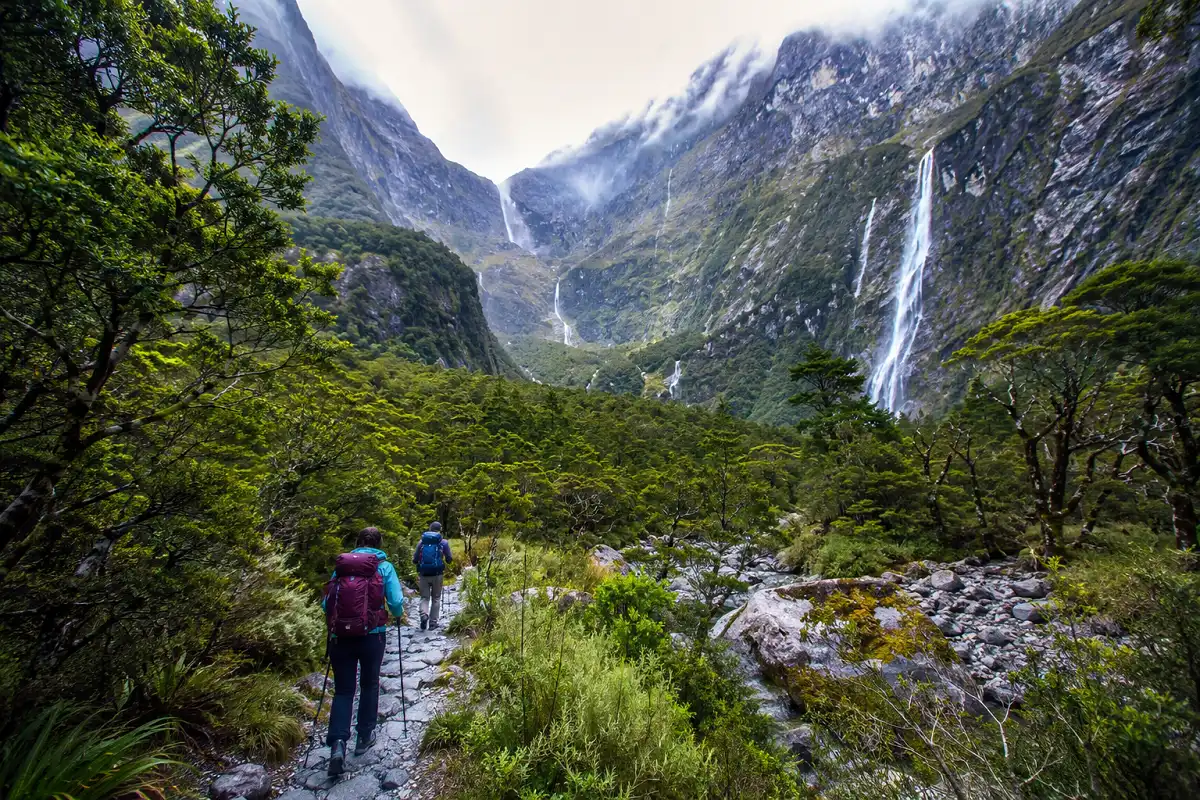
Many guidebooks still call this the finest walk in the world. The 53.5-kilometer South Island route cuts through Fiordland National Park past rainforest, a mountain pass, and waterfalls that seem staged for maximum drama. It is a controlled experience by design. You book the three huts through New Zealand’s Department of Conservation, group numbers stay capped, and you walk the whole thing in one direction over four days. That structure is part of what keeps it pristine. Bookings for each season open around May or June and sell out within minutes for prime dates, so treat the opening date like a concert ticket drop and log in the moment it opens.
How to Match a Destination to Your Skill Level
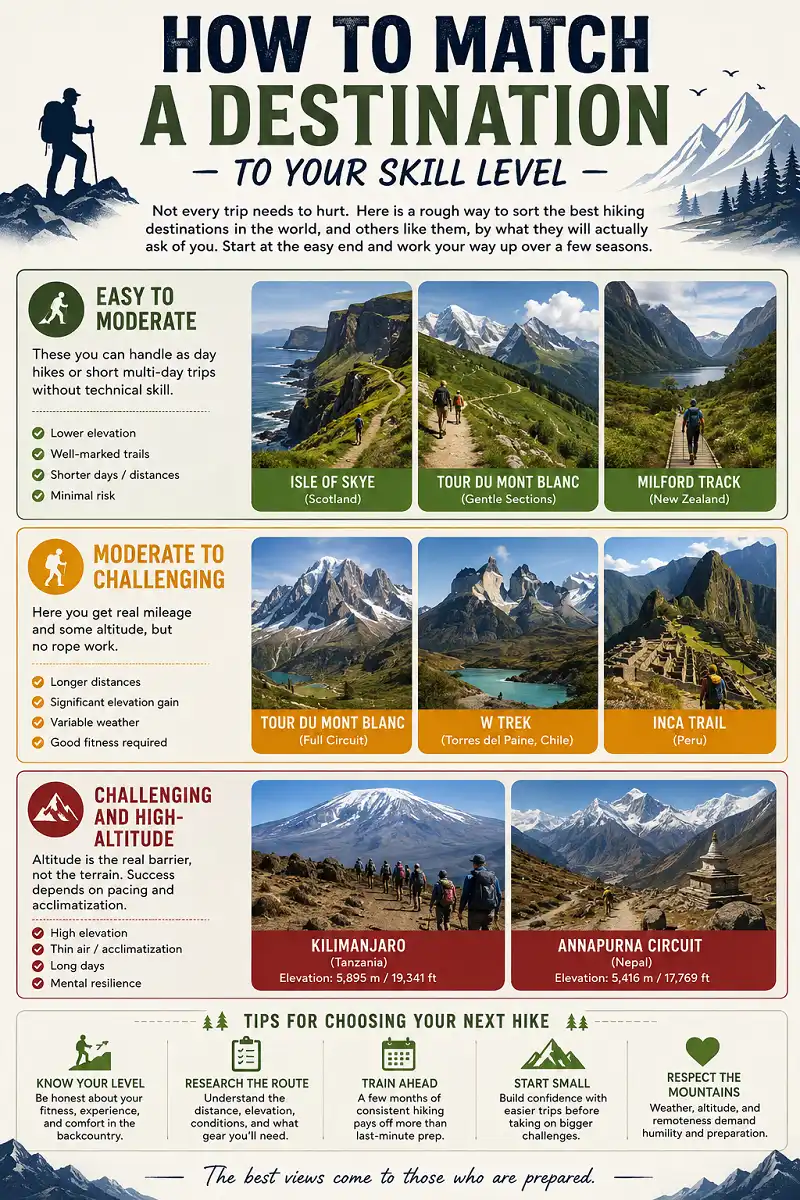
Not every trip needs to hurt. Here is a rough way to sort the best hiking destinations in the world, and others like them, by what they will actually ask of you. If you are still finding your footing as a hiker , start at the easy end and work your way up over a few seasons.
These you can handle as day hikes or short multi-day trips without technical skill. Skye’s coastal paths, the gentler stretches of the Tour du Mont Blanc, and most of the Milford Track all fit here. They make a good testing ground before you commit to something bigger and farther from home.
Here you get real mileage and some altitude, but no rope work. The full Tour du Mont Blanc, the W trek in Torres del Paine, and the Inca Trail all land in this tier. A few months of training hikes with a loaded pack will pay off on any of them, so start that prep early rather than the week before you fly.
Kilimanjaro and the Annapurna Circuit sit here, and altitude is the real barrier, not the terrain. Success depends on pacing and acclimatization far more than on how fast you move at sea level. If you are unsure how much climbing counts as a lot , these two will recalibrate your sense of it in a hurry.
Planning and Packing That Actually Matters
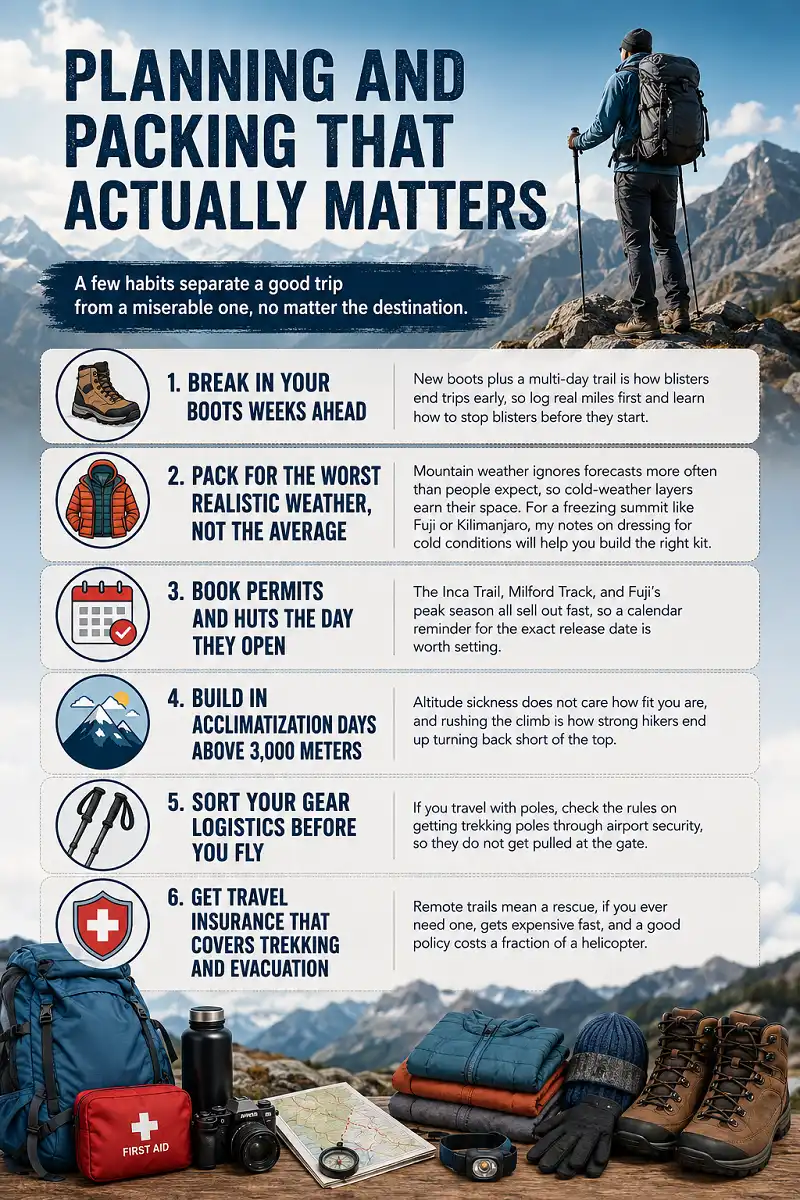
A few habits separate a good trip from a miserable one, no matter the destination.
New boots plus a multi-day trail is how blisters end trips early, so log real miles first and learn how to stop blisters before they start .
Mountain weather ignores forecasts more often than people expect, so cold-weather layers earn their space. For a freezing summit like Fuji or Kilimanjaro, my notes on dressing for cold conditions will help you build the right kit.
The Inca Trail, Milford Track, and Fuji’s peak season all sell out fast, so a calendar reminder for the exact release date is worth setting.
Altitude sickness does not care how fit you are, and rushing the climb is how strong hikers end up turning back short of the top.
If you travel with poles, check the rules on getting trekking poles through airport security , so they do not get pulled at the gate.
Remote trails mean a rescue, if you ever need one, gets expensive fast, and a good policy costs a fraction of a helicopter.
FAQs About the Best Hiking Destinations in the World
What are the best hiking destinations in the world?
The shortlist includes the Tour du Mont Blanc, Isle of Skye, Patagonia, the Inca Trail, Annapurna Circuit, Mount Fuji, Mount Kilimanjaro, and Milford Track.
Which hiking destination is best for a first big trek?
The Tour du Mont Blanc is a strong choice for fit beginners ready for a first hut-to-hut trek. The trail is well marked, refuges reduce the need to carry camping equipment, and the route is challenging without being technical.
What is the best hiking destination for photographers?
The Isle of Skye is particularly suited to photographers because it combines coastal walks, sea cliffs, the Quiraing rock formations, and short trails leading to dramatic viewpoints.
Which hiking destinations are best for dramatic scenery?
Patagonia, the Inca Trail, the Annapurna Circuit, and the Milford Track stand out when dramatic scenery is the main priority.
Which hiking destinations require the most attention to altitude?
Kilimanjaro and the Annapurna Circuit are challenging mainly because of altitude. The Inca Trail and Mount Fuji also include high-altitude sections, so acclimatization matters.
How far in advance should I book the Inca Trail?
The Inca Trail should be planned well in advance. The article notes that permits for the season release in October and can sell out within hours for peak dates.
What should I know before hiking Mount Fuji in 2026?
The article notes that all four main trails charge a 4,000 yen entry fee and require advance online registration. The Yoshida Trail also has a daily cap of 4,000 climbers unless you have a mountain hut reservation. Gates close from 2 p.m. to 3 a.m.
What is the best season for hiking the Milford Track?
The Milford Track’s Great Walks season runs from late October to April. Bookings for each season open around May or June and prime dates can sell out within minutes.
What should I pack for a multi-day hiking trip?
Break in your boots ahead of time, pack for realistic worst-case weather, plan for altitude when necessary, organize your gear before flying, and make sure your travel insurance covers trekking and evacuation.
The Takeaway
The best hiking destinations in the world aren’t necessarily the hardest ones or the most photographed ones they’re the ones that match what you’re actually capable of and excited for right now. Start with something that fits your current fitness and travel logistics, and let the bigger trips earn their place on the list later. That’s usually how the best hiking stories start anyway.
Match the trail to your ability, prepare properly, and let the destination earn the adventure.