Are Columbia Hiking Boots Good? An Honest Beginner’s Guide
If you are shopping for your first pair of trail boots, you have probably seen Columbia on almost every shelf. The price looks friendly. The reviews look mixed. And you likely just want a straight answer: are Columbia hiking boots good? I have worn them, replaced a pair, and talked with plenty of new hikers who started out in Columbia. So this guide gives you the honest version, based on trail time and current research.
Are Columbia Hiking Boots Good?
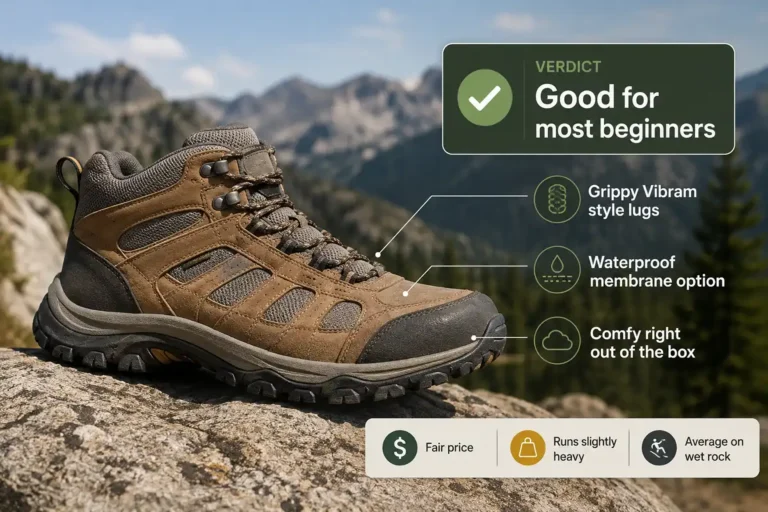
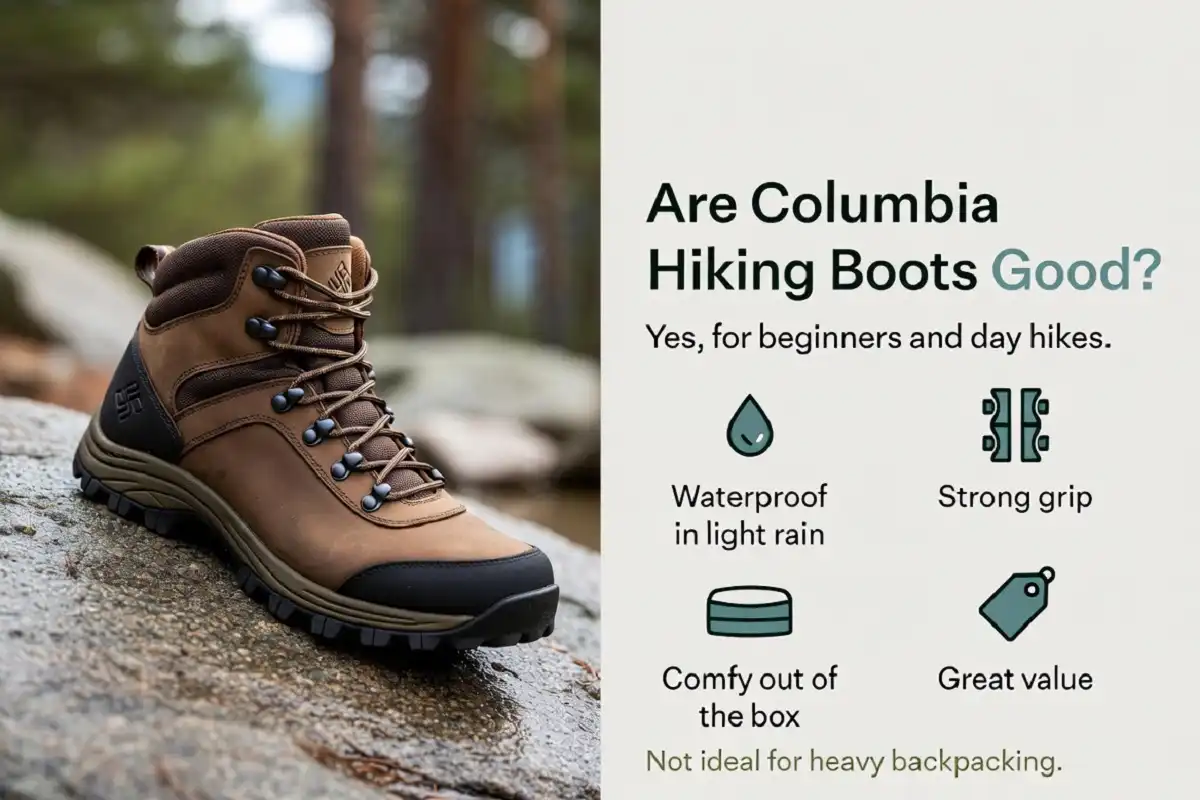
Yes, for most beginners and casual hikers, Columbia hiking boots are good. In short, you get real waterproofing, comfortable cushioning, and dependable grip at a budget-friendly price. They are not built for heavy multi-day loads or sharp technical terrain. Still, for day hikes and easy-to-moderate trails, they perform well above their cost.
That covers the headline. Now let me break down the details, because the full picture depends on what you plan to do.
Are Columbia hiking boots good for beginners?
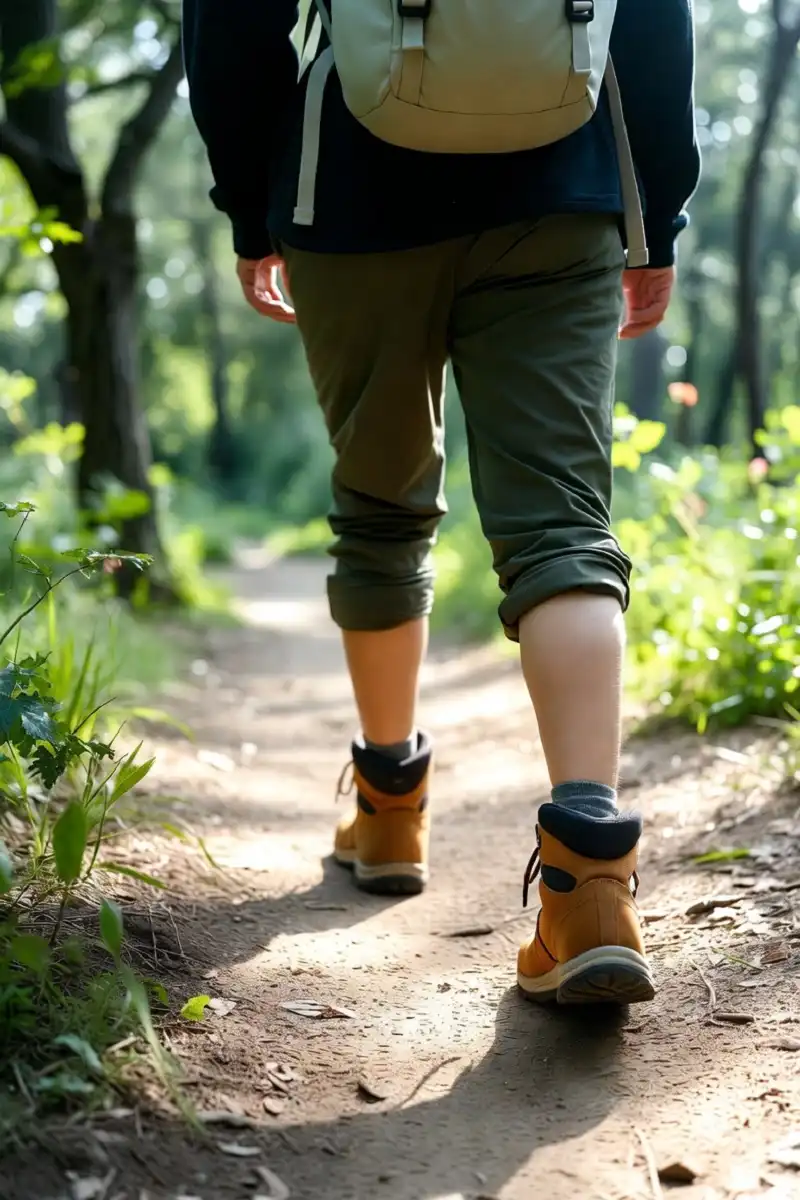
Yes, Columbia hiking boots are good for beginners, and that is arguably their strongest use case. First, new hikers need three things: comfort, grip, and a price that does not sting. Columbia delivers all three.
Most models feel comfortable straight out of the box. You rarely need a long, painful break-in period. Also, the cushioning is soft, the ankle padding is generous, and the fit suits a wide range of foot shapes. For a first pair, that matters a lot, because blisters ruin more beginner hikes than anything else.
New hikers message me all the time asking the same thing in different words. So let me be clear: if your goal is local trails, state parks, and weekend day hikes, a Columbia boot will serve you well. You can always upgrade later, once you know your own style and terrain.
Soft cushioning and generous ankle padding make many models comfortable from the start.
Dependable traction helps beginners feel more secure on everyday trails.
A budget-friendly entry point for hikers who do not want to overspend.
Most models require little break-in compared with many traditional hiking boots.
Well suited to local trails, state parks, and weekend day hikes.
What makes Columbia hiking boots work
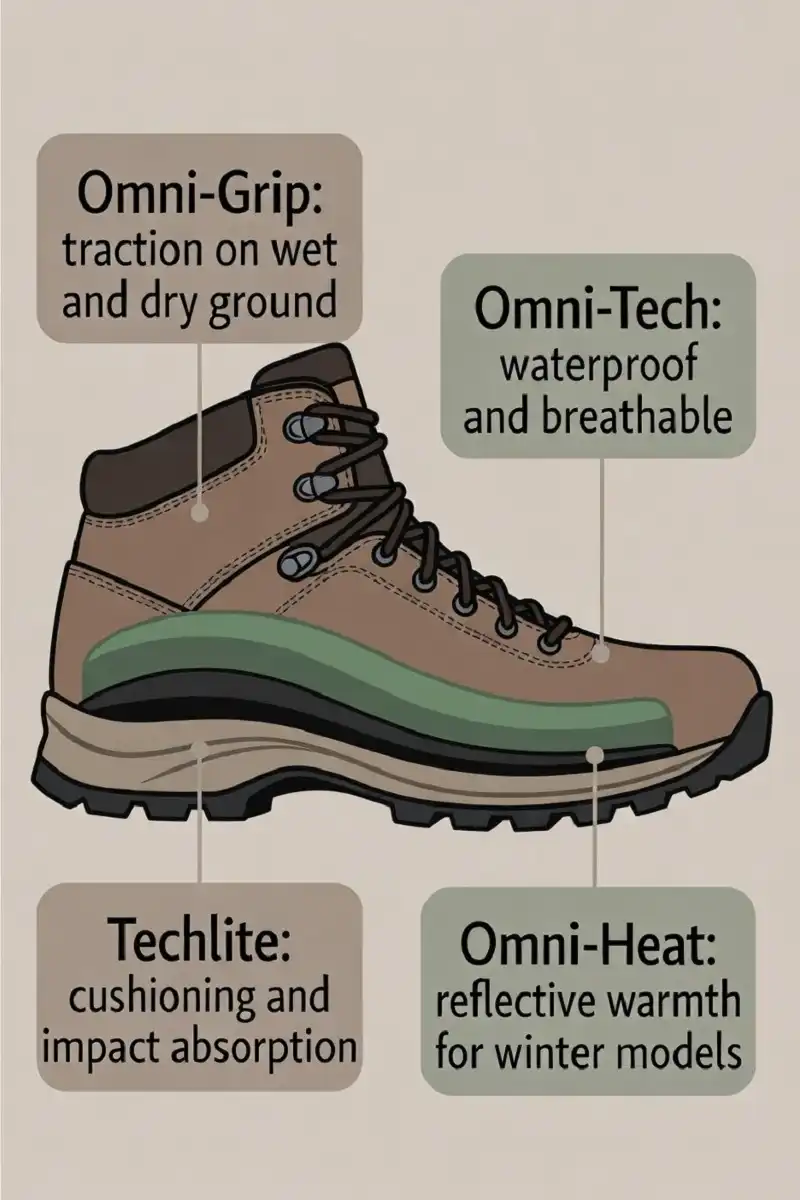
People often ask why these boots punch above their price, or put simply, whether Columbia hiking boots are good because of the brand name or the build. The answer sits in four in-house technologies. Columbia Sportswear has been making outdoor gear since the 1930s, and its footwear leans on names you will see printed right on the box. Here is what each one actually does, in plain terms.
Omni-Grip traction
Omni-Grip is Columbia’s rubber outsole system. It uses shaped lugs and grippy compounds for traction on both wet and dry ground. For example, on mud, wet rock, and slick boardwalks, it holds well. That reliable grip is one big reason beginners feel steady on Columbia boots.
Omni-Tech waterproofing
Omni-Tech is a waterproof and breathable membrane. It blocks rain from getting in while letting sweat escape, so your feet stay drier and cooler than they would in a sealed rubber boot. So for light rain, puddles, and damp trails, it works well. In prolonged soaking or deep water, though, it can eventually wet through.
Techlite cushioning
Techlite is the foam midsole. It absorbs impact and adds a little bounce, which is why these boots feel plush underfoot. The trade-off is real, however: softer foam tends to compress faster over months of heavy use.
Omni-Heat warmth
Omni-Heat is a thermal lining that reflects your body heat back toward your feet. You only find it on winter and insulated models, but it makes a genuine difference on a winter hike near Anchorage or any cold-weather day trip. Standard models skip it, so check the name if warmth matters to you.
A quick look at popular Columbia hiking boots
Judging whether Columbia hiking boots are good gets easier once you know the main models. So here are the ones worth your attention. Prices shift often, so treat these as rough tiers rather than exact figures.
Newton Ridge Plus II
The classic. A leather-and-suede waterproof boot at a budget price, and probably the most popular hiking boot Columbia makes. It is comfortable, warm, and solid for day hikes. That said, the outsole can soften and wear after a season of hard miles.
Crestwood Mid Waterproof
Lighter and often cheaper than the Newton Ridge. Plus, good cushioning, good traction, and a smart pick for easy trails and travel.
Redmond V2 Waterproof
Versatile and low on break-in time. Also, it works on the trail and around town.
Newton Wander
A newer entry-level option with strong grip and durable metal eyelets. Columbia aimed it squarely at new and budget-minded hikers.
Fairbanks Mid
A comfortable town-to-trail boot with a durable outsole. Reviewers often praise it as a strong all-rounder.
Where Columbia hiking boots shine
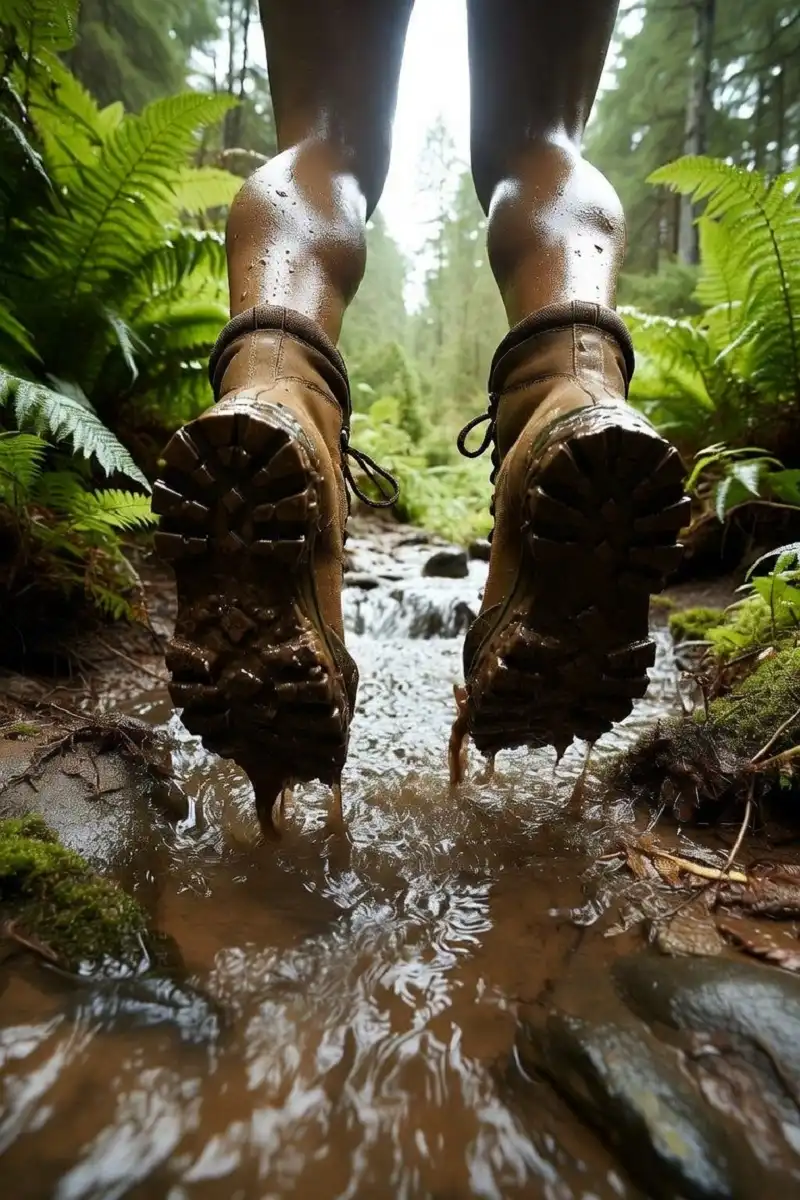
Here the answer becomes a clear yes. These boots hit their stride in a few specific situations, and beginners fall into most of them.
For anything from a flat lake loop to a moderate forest climb, they have the support and grip you need. In fact, this is where Columbia hiking boots are good in the most practical sense, on the everyday trails most beginners start on .
Thanks to Omni-Grip and Omni-Tech, they handle rain, mud, and stream-splashed rock nicely. On damp routes, including trails with water crossings like the 5th Water hot springs trail , they keep your footing sure and your feet dry through the light stuff.
So little break-in means fewer blisters on those first outings.
In fact, you get a genuine outdoor boot for far less than premium brands charge.
Many models look good enough for everyday wear, so they double as travel shoes.
Where Columbia hiking boots fall short
To be honest about whether Columbia hiking boots are good, I have to cover the weak spots too. No boot is perfect, and these have clear limits.
For example, with a heavy pack, the midsoles can feel soft and the support can fade. Serious backpackers usually want a stiffer, tougher boot.
Also, the outsole sits on the soft side. It grips wet rock well, yet on sharp, rocky, off-trail ground it wears faster and flexes more than ideal.
Compared with premium boots, Columbia’s foam compresses sooner and the synthetic uppers can scuff quickly. From what other hikers report, the outsole may start breaking down after a year or so of frequent use.
Omni-Tech shrugs off drizzle, but hours in deep water or a heavy downpour can overwhelm it.
A few models, like the Newton Ridge, run a little tight in the toe box for wider feet. Trying them on first solves most of this.
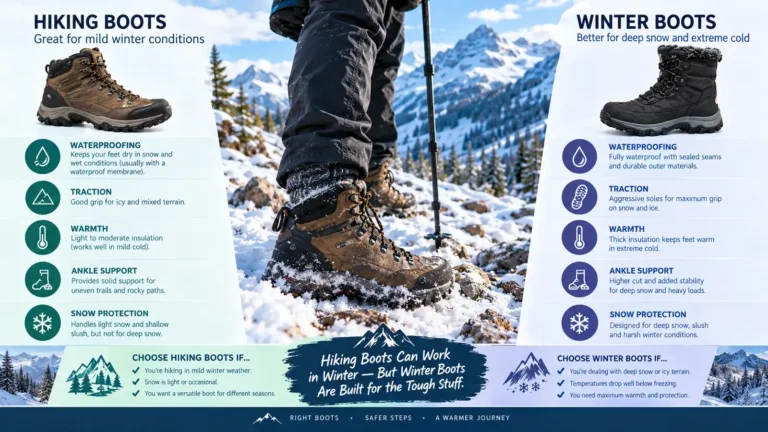
Are Columbia hiking boots good in winter?
Yes, with the right model
Yes, Columbia hiking boots are good in winter, as long as you pick an insulated model. Look for Omni-Heat in the name. Those versions add a reflective thermal lining that keeps your feet warm on cold day hikes and snowy walks. Standard, non-insulated models will leave your toes cold once temperatures drop. For deep snow and ice, you also want deeper lugs or added traction spikes for safety.
Are Columbia hiking boots good for backpacking?
Light backpacking: yes. Heavy loads: think twice.
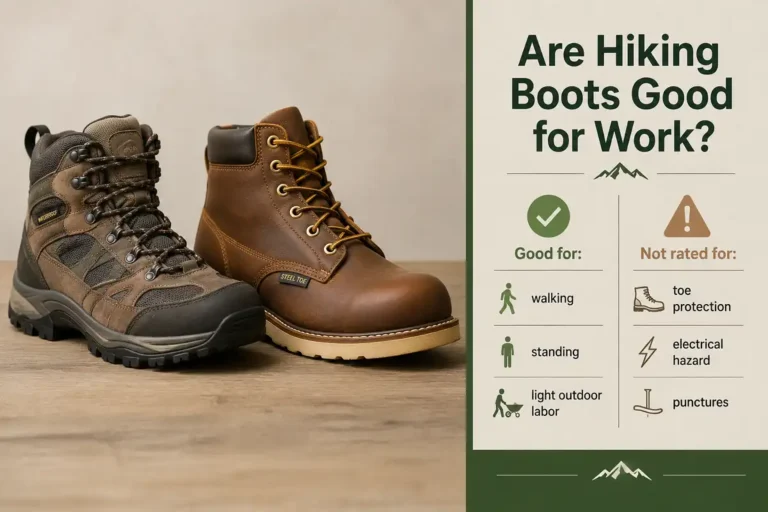
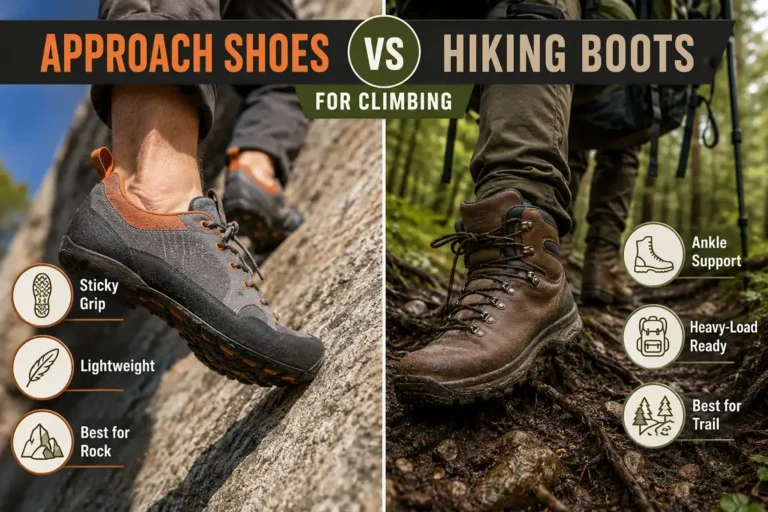
For light, short overnight trips, Columbia hiking boots are good enough, but they are not my first pick for serious backpacking. That said, the stiffness and support needed for a heavy multi-day pack sit beyond what most Columbia models offer. If you carry thirty-plus pounds over rough ground for days, invest in a stiffer boot built for that load. For one night with a light pack on a maintained trail, though, a supportive Columbia mid will do fine.
How do Columbia hiking boots compare to Merrell and Salomon?
Compared with Merrell and Salomon, Columbia hiking boots are good on value and comfort, while the other two lead on durability and technical performance. Buyers cross-shopping brands ask me this constantly, so here is the plain version.
Columbia
- Budget-friendly pricing
- Comfortable out of the box
- Good for beginners
- Good day-hiking performance
- Less long-term toughness
Merrell & Salomon
- Generally tougher materials
- Better suited to hard mileage
- Stronger technical performance
- Salomon favors a light, precise feel
- Usually costs more
For example, Merrell boots, like the popular Moab line, use tougher materials and often last longer under hard miles. Salomon leans light, nimble, and precise, with a snug fit and quick-pull laces that fast hikers love. Both usually cost more, often landing in the one-hundred to two-hundred dollar range.
Columbia sits below that on price and, in my experience, matches them on out-of-the-box comfort. Where it trails is long-haul toughness. So the choice comes down to use. For casual and beginner hiking on a budget, Columbia wins. Meanwhile, for heavy, frequent, or technical trips, the pricier brands earn their keep.
Are Columbia hiking boots good value for the money?
A strong first-boot value
For the price, Columbia hiking boots are good value, and that is the honest bottom line for most buyers. A capable, waterproof, comfortable boot from a trusted outdoor brand at a budget price is a strong deal. You are not paying premium money, so you should not expect premium-level lifespan. But mile for mile over a season or two of day hikes, few brands beat them for a first boot.
Columbia also backs its footwear with a warranty, which adds peace of mind if something fails early. Also, if a boot does end up being right for you, buying through a retailer with a solid return policy is smart, since fit is personal.
How to choose the right Columbia hiking boots
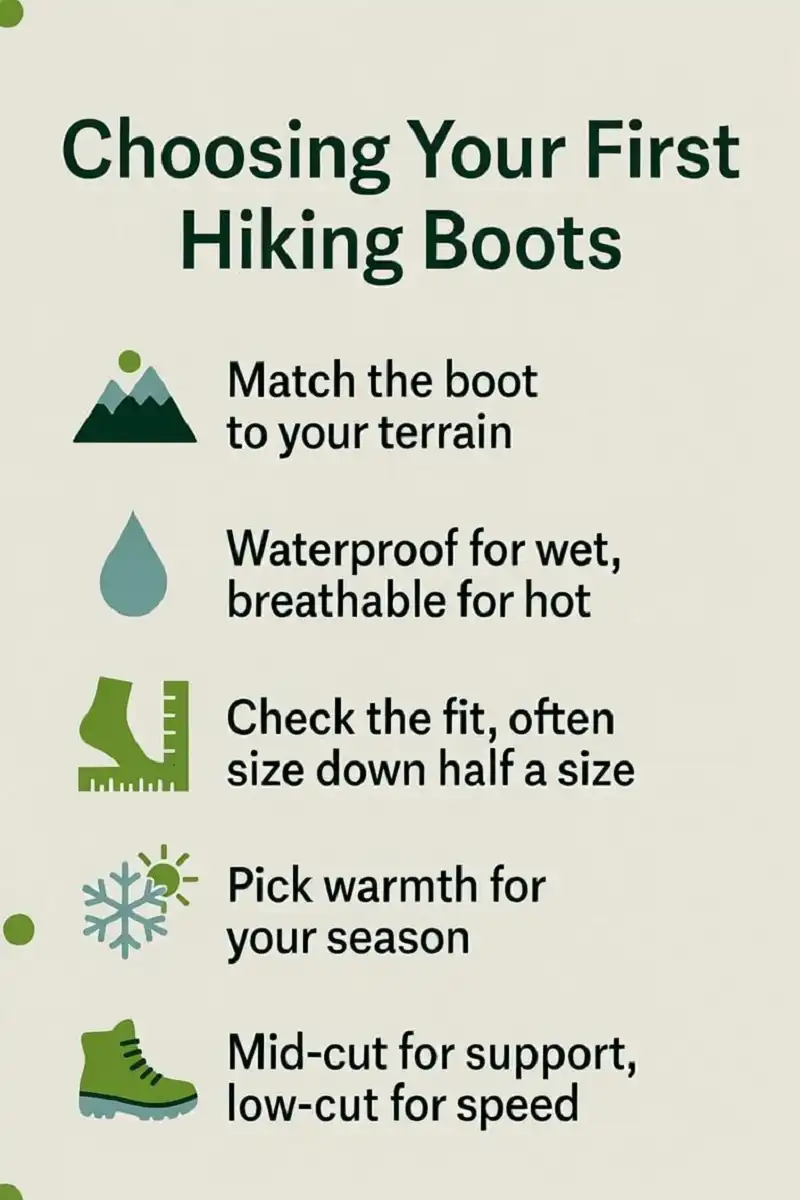
So picking the pair that fits your feet starts with a few simple checks. Spend a minute on each, and you will dodge the most common beginner mistakes.
For flat and moderate trails, almost any model works. For rougher ground, choose a stiffer mid-cut with a firmer sole.
Waterproof Omni-Tech models suit wet and cold climates. In hot, dry places, a breathable, non-waterproof shoe keeps your feet cooler. If you mostly hike sunbaked desert routes like the trails around Palm Springs , breathability beats waterproofing every time.
Many Columbia boots run slightly large, so you may need a half size down. Leave room for your toes on descents, and always try them on with hiking socks.
Cold-season hiker? Choose Omni-Heat insulation. Summer hiker? Skip it.
Mid-cut boots add ankle support for uneven ground. Low-cut shoes feel lighter and quicker on smooth trails.
You can find more of my footwear picks and fit notes if you want to compare a few options side by side.
How to make your Columbia hiking boots last
Because the foam and uppers wear faster than premium boots, a little care goes a long way. First, knock off mud and dirt after each hike, since grit grinds down materials over time. Then let them air-dry away from direct heat, as radiators and campfires crack leather and warp glue.
Every so often, re-treat the waterproofing with a spray or wax made for your boot’s material. In addition, for seams that show exposed stitching, a dab of seam sealer boosts both water resistance and lifespan. Finally, store them somewhere cool and dry, not crushed at the bottom of a closet. Simple habits like these can stretch an extra season out of a budget boot.
Are Columbia Hiking Boots Good?
So, are Columbia hiking boots good? For beginners and casual hikers, yes. They give you comfort, grip, and honest waterproofing at a price that leaves room in your budget for the rest of your kit. They are not the boot for heavy backpacking or brutal technical terrain, and they will not outlast a premium pair. But as a first boot for day hikes and easy trails, they are hard to beat. Buy the right model for your terrain, size carefully, and take care of them.
FAQs
Are Columbia hiking boots good for wide feet?
Some are, some are not. The Redmond and Crestwood tend to fit medium-to-slightly-wide feet comfortably, while the Newton Ridge can feel tight in the toe box. Columbia also offers wide sizes on select models, so check for a “wide” option and try before you buy.
How long do Columbia hiking boots last?
With regular day hiking, expect roughly one to three seasons, depending on the model and how hard you push them. Care makes a real difference here. Clean off the mud, dry them properly, and re-treat the waterproofing now and then.
Are Columbia hiking boots good for everyday walking?
Yes. Many people wear them daily for the comfort, cushioning, and grip. The traction that helps on trails also works on wet city sidewalks, and the look stays casual enough for regular use.
Do Columbia hiking boots need much breaking in?
Not really, and that is a big plus for beginners. Most models feel comfortable within a short walk or two. Still, I always suggest a couple of easy neighborhood laps before your first real trail.
Are Columbia hiking boots good in summer heat?
For hot weather, choose a breathable, non-waterproof Columbia hiker or a ventilated hiking shoe. Waterproof membranes trap heat, so they can feel warm on sunny trails. A mesh, non-membrane model keeps your feet noticeably cooler.