Can Hiking Help You Lose Weight? Here’s the Honest Answer
I get asked this a lot: can hiking help lose weight, or is it just a nice walk with a view? After years of logging trail miles around Bakersfield and beyond, I can tell you the short answer is yes. Hiking burns real calories, builds real muscle, and it’s one of the few workouts most people actually stick with.
Yes, hiking can help you lose weight.
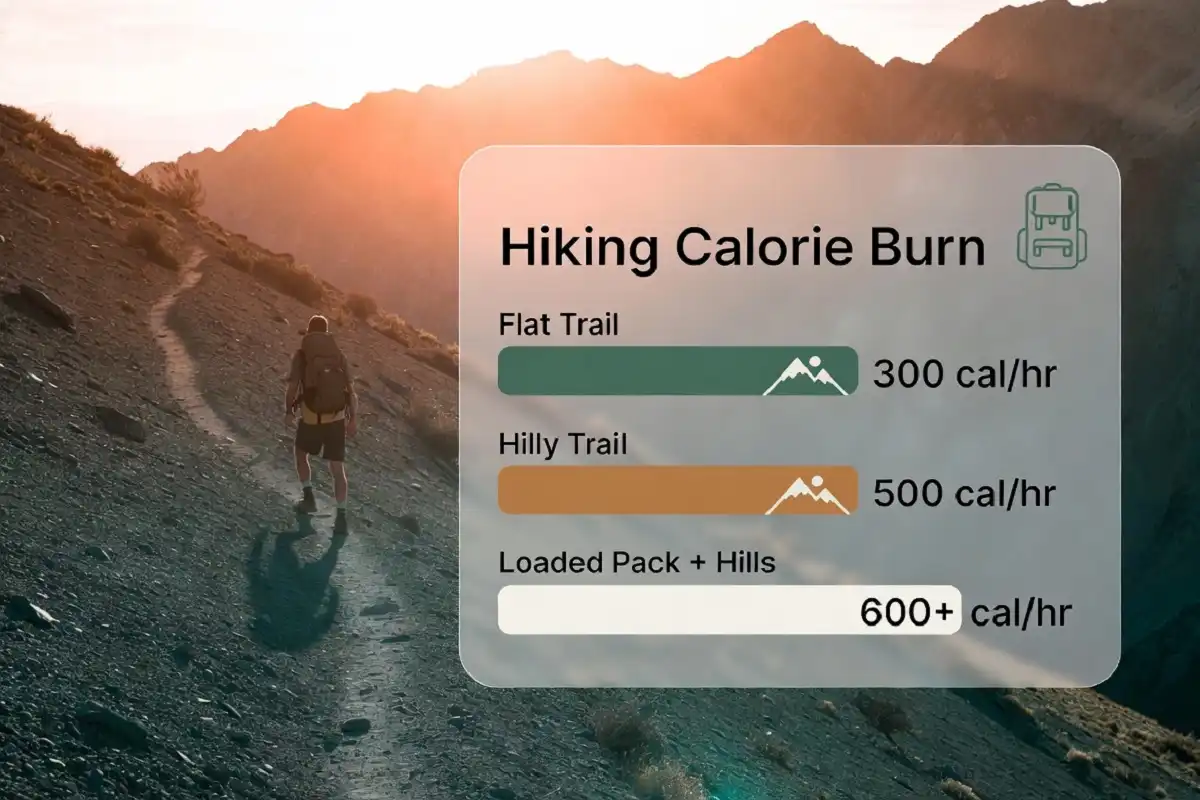
Hiking can help you lose weight because it burns more calories than flat walking, especially on hills or with a loaded pack. A 160 pound person burns roughly 400 to 550 calories per hour on moderate terrain.
Combine that with a modest calorie deficit and consistent trail time, and the weight comes off steadily.
Moderate hiking can burn hundreds of calories per hour.
Elevation gain increases the effort required from your body.
Climbing works your quads, hamstrings, calves, glutes and core.
Hiking is enjoyable and sustainable for many people.
Watch weekly hiking time, elevation gain and how your clothes fit.
How Many Calories Does Hiking Actually Burn?
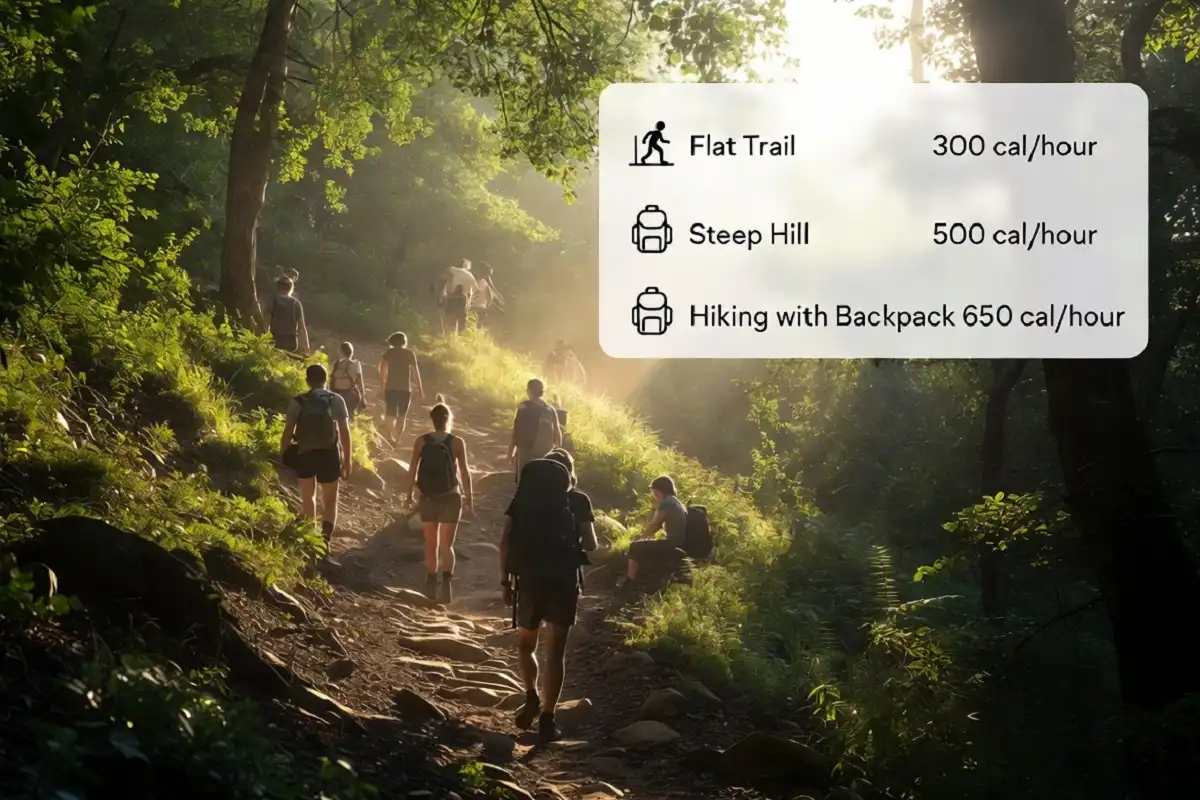
Calorie burn depends on your body weight, the trail’s elevation gain, your pace, and what you’re carrying. On flat, easy terrain, a person weighing around 160 pounds burns somewhere near 300 calories an hour. Add hills, and that number climbs past 500. Strap on a loaded backpack, and you can push it higher still.
This is why hiking beats a treadmill walk for calorie burn. Elevation gain forces your legs, glutes, and core to work harder against gravity. A flat treadmill session just can’t match that.
Calories are only an estimate
If you want to understand the science of energy expenditure in more depth, Wikipedia’s explanation of how calories work breaks down how the body converts food energy into physical work.
Body weight changes the math too. A heavier hiker burns more calories covering the same ground because moving more mass takes more energy. So a 200 pound hiker on a moderate trail might burn closer to 550 to 650 calories an hour, while a 130 pound hiker on that same trail might land closer to 350 to 400.
This is one reason two people can hike side by side and see different results on the scale over time. Neither number is better or worse. It just means your own baseline matters more than comparing yourself to a hiking partner.
Trail surface plays a role as well. Loose gravel, sand, and snow all demand more effort than a packed dirt path because your foot slips slightly with every step, forcing smaller stabilizing muscles to fire constantly. I’ve noticed this myself on sandy stretches near the coast, where a short hike left my legs more tired than a longer one on solid ground.
How to Track Your Progress on the Trail
A basic fitness watch or phone app gives you a rough idea of calories burned, distance, and elevation gain per hike. I say rough because these estimates are never perfectly accurate. Still, tracking trends over weeks matters more than obsessing over one number after a single hike.
Keep an eye on three things: total weekly hiking minutes, elevation gain per week, and how your clothes fit. The scale can bounce around day to day from water weight and food intake, so I trust consistency in these three markers more than a single morning weigh-in.
Why Hiking Works So Well for Weight Loss
It burns more than a regular walk
Walking on pavement is fine exercise. Hiking asks more of your body. Uneven ground, loose rock, and changing grades all recruit stabilizer muscles that flat sidewalks never touch. Your body works harder without you consciously trying to push it.
It builds muscle while you burn fat
Climbing switchbacks strengthens your quads, hamstrings, and calves. Descending works your knees and core in a different way, controlling your speed instead of just moving forward. More muscle means a higher resting metabolism, so you burn more calories even on rest days.
It’s low impact and sustainable
Running burns calories fast, but it’s hard on the joints and many people quit within weeks. Hiking is gentler. I’ve talked with plenty of hikers in their sixties and seventies still logging miles every week because their knees can handle it. A workout you’ll actually keep doing beats a harder one you quit after a month.
How Often Should You Hike to Lose Weight?
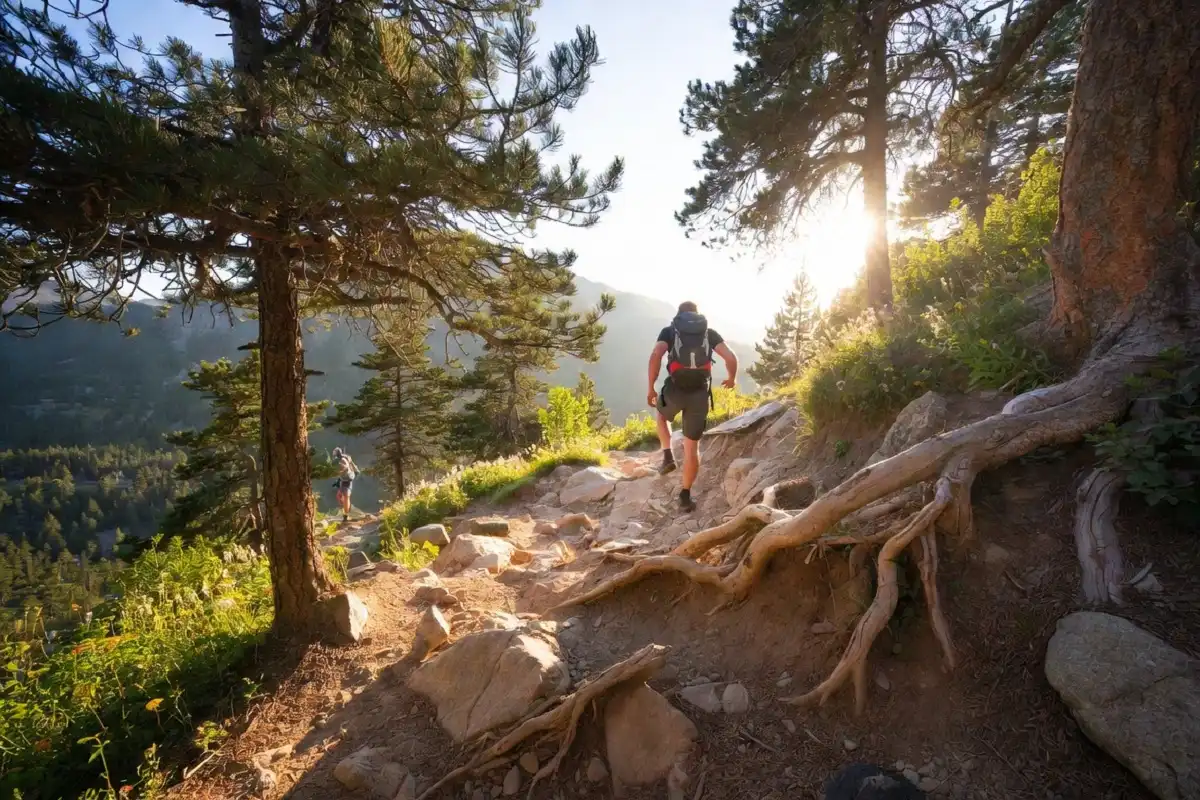
You should aim for at least three to four hikes per week, totaling 150 to 300 minutes, to see steady weight loss. This matches general activity guidelines for adults and gives your body enough consistent calorie burn to create a deficit.
Just starting out?
If you’re just starting out, two hikes a week is a reasonable entry point. Then build from there. Consistency matters more than intensity when you’re new to the trail. A shorter hike you actually complete beats an ambitious one that wrecks your motivation.
How to Get More Weight Loss Out of Every Hike
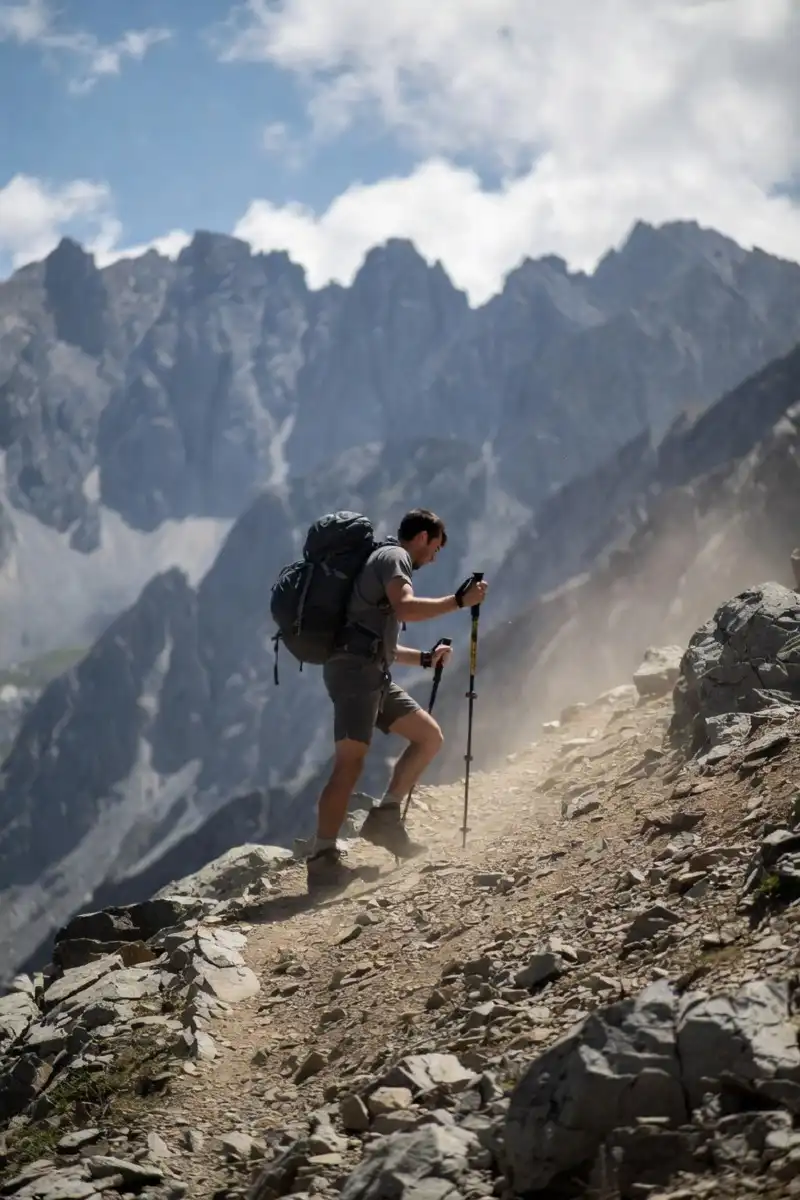
Chase elevation gain, not just distance
A flat five mile hike burns fewer calories than a hilly three mile one. So when you’re picking a route, look at the elevation profile first. Trails with steady climbs force your body to work continuously instead of coasting.
Add weight to your pack
Carrying even 10 to 15 pounds of extra gear increases your calorie burn noticeably. This is part of why a solid set of trekking poles matters too, since they help you manage the added load on your joints while still letting you push the pace.
I’ve found that good poles make a loaded pack feel far more manageable on long descents.
Mix in pace intervals
Instead of hiking at one steady speed, alternate between a comfortable pace and a push pace for a few minutes at a time. This interval approach raises your average heart rate over the hike without requiring you to run the whole trail.
Hike longer instead of just harder
Duration adds up. A two hour hike at a moderate pace often burns more total calories than a 45 minute hike pushed to exhaustion, and it’s easier on your body. Build up your time on trail gradually.
What to Wear and Bring for Weight Loss Hikes
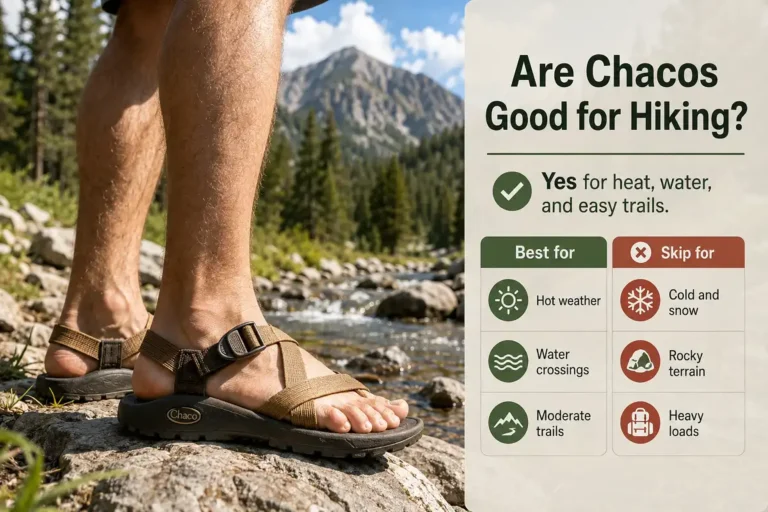
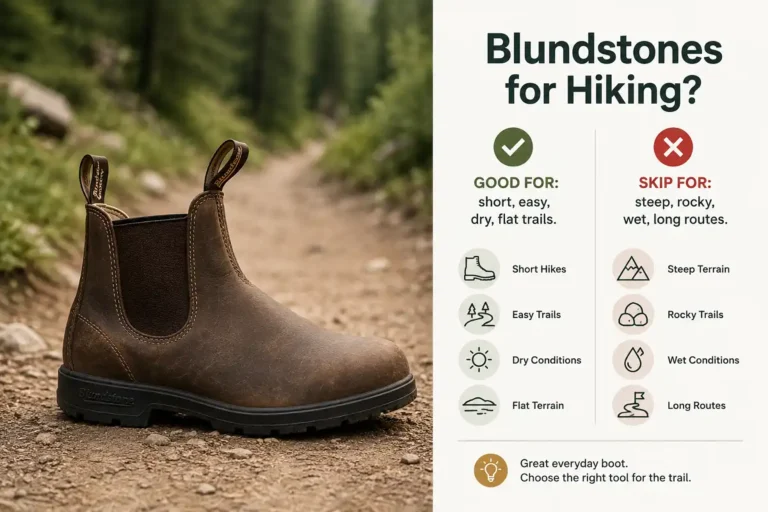
Comfort keeps you on the trail longer, and that directly affects how much weight you lose over time. Good footwear matters most here. I’ve tested plenty of boots over the years, and how well certain boot brands hold up makes a real difference on a long hike.
Dress for the conditions
Blisters and sore ankles end hikes early, and that cuts into your calorie burn for the week. Layering matters too, especially outside summer.
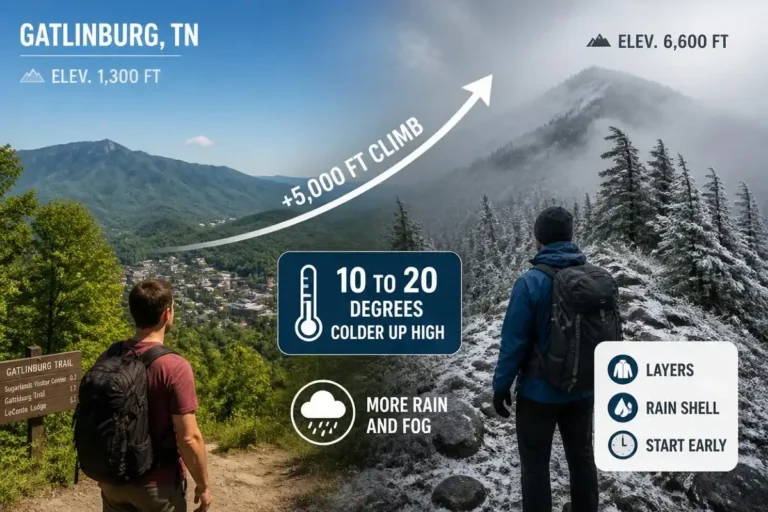
If you’re hiking through colder months, dressing right for those temperature swings between trailhead and summit keeps you moving instead of turning back early. Bring enough water. Dehydration slows you down and makes every incline feel twice as hard.
Common Mistakes That Slow Down Hiking Weight Loss
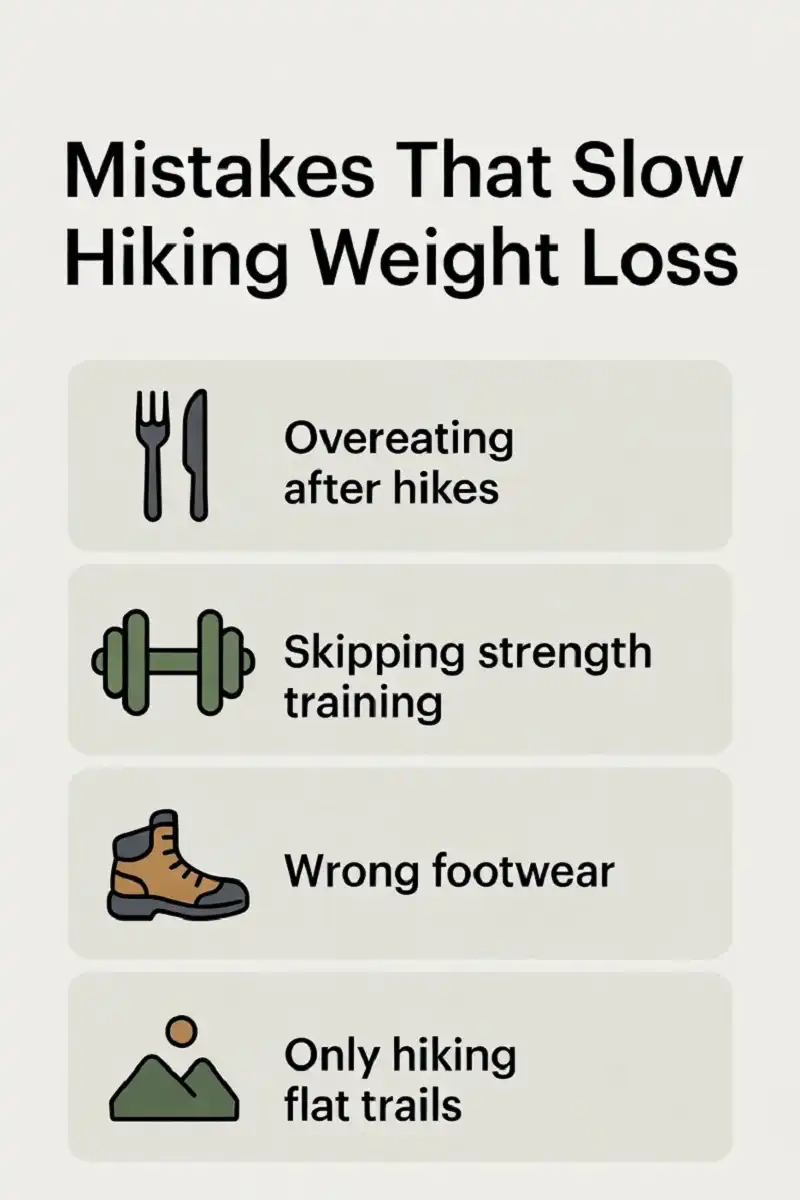
It’s easy to justify a big meal because you “earned it.” The problem is a burger and fries can undo an hour of calorie burn in minutes. I’m not saying skip meals after a hike, just be mindful of portions.
Hiking builds leg strength, but a little upper body and core work on off days helps you carry a pack more efficiently and prevents injury, which keeps you consistent long term.
Poor footwear or an ill fitting pack causes pain that shortens your hikes. Investing in gear that fits well pays off in more trail time, which is really what drives the weight loss.
Skipping food before a long hike sounds like it would boost weight loss, but it usually backfires. Low energy leads to a slower pace, shorter hikes, and stronger cravings once you’re back home.
Flat trails are a great starting point, but if weight loss is the goal, you’ll need to progress toward hillier routes over time.
A small snack with some protein and carbs before a longer hike keeps your energy steady enough to actually finish strong.
Even some of the better winter trail options offer more climb than people expect, so don’t rule out colder months just because the terrain looks intimidating on paper. Otherwise your body adapts and calorie burn plateaus.
Combining Hiking With Diet for Real Results
Hiking + Mindful Eating
- Creates a sustainable calorie deficit
- Supports muscle recovery
- Helps control hunger
- Encourages consistency
Exercise + Overeating
- Replaces burned calories with snacks
- Can encourage oversized portions
- Makes progress harder to see
- Can undermine consistency
Hiking alone can create a calorie deficit, but pairing it with mindful eating speeds things up considerably. You don’t need a strict diet. Just avoid replacing the calories you burn with extra snacks or bigger portions.
Protein helps here too, since it supports muscle recovery after climbs and keeps you fuller for longer.
I’ve seen hikers make the mistake of thinking trail time gives them a free pass on food. It doesn’t erase poor eating habits, but it does make moderate, sustainable eating far more effective.
A simple approach
Eat roughly the same way you normally would on non-hiking days, then let hiking days create the deficit naturally through activity instead of restriction. This avoids the trap of feeling like you have to “make up for” a big trail day with an even bigger meal.
Over a few months, that consistency adds up more reliably than any short-term diet plan.
Is Hiking Enough on Its Own, or Do You Need Other Exercise?
Hiking alone is enough for many people to lose weight, especially if you’re consistent and increase difficulty over time. That said, adding two short strength sessions a week speeds up progress and protects your joints for the long run.
If you already spend weekends outdoors, checking out new trail options can help you find routes with the elevation gain that keeps challenging your body as you get fitter.
What to Expect Week by Week
Your legs will feel sore, especially your calves and quads if you’re new to elevation gain. This is normal adaptation, not a sign you’re doing something wrong. Focus on finishing hikes comfortably rather than chasing speed.
Soreness fades and endurance improves. You’ll likely notice you can cover more distance or climb steeper grades without stopping as often.
This is typically when visible changes show up, assuming your eating habits support a calorie deficit. Clothes fit differently before the scale reflects big changes, so pay attention to both.
Progress slows as your body adapts to your current routine. Increase difficulty through more elevation gain, longer distances, or added pack weight.
Can Hiking Help You Lose Weight?
Hiking can absolutely help you lose weight when you go consistently, choose trails with real elevation gain, and pair your hikes with reasonable eating habits.
It’s not a quick fix, but it’s one of the most sustainable ways to build a calorie deficit because most people genuinely enjoy doing it.
Lace up, pick a trail with some climb to it, and let the miles add up.
FAQs
Does hiking burn more calories than running?
Running burns more calories per minute, but hiking often wins over a full session because people hike longer and hit steeper terrain than they’d ever run.
How long before I see weight loss results from hiking?
Most people notice changes in energy and fitness within two to three weeks, with visible weight loss showing up around six to eight weeks of consistent hiking.
Is hiking better than the gym for weight loss?
Neither is strictly better. Hiking offers more consistency for many people because it’s enjoyable, while gym workouts allow more targeted strength training. Combining both works best.
Can beginners lose weight hiking short trails?
Yes. Short, flat trails still burn calories and build a fitness base. Progress to longer or hillier routes as your endurance improves.
Do I need special gear to start hiking for weight loss?
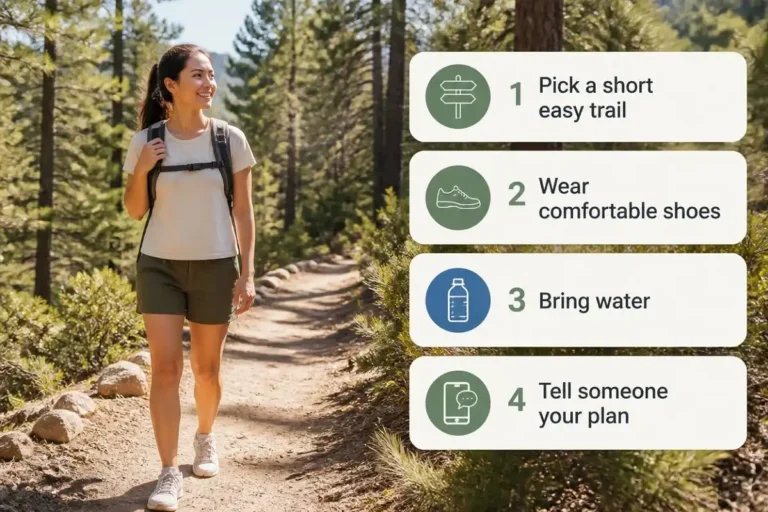
No. A comfortable pair of shoes and a water bottle are enough to start. As your hikes get longer or steeper, better footwear and a proper daypack make the experience easier and help you stay consistent.