Clothes for Hiking in Winter: The Complete Beginner’s Guide
Winter hiking punishes bad gear choices fast. I learned that the hard way on a January trail near Bakersfield when cotton socks turned my feet into ice blocks by mile two. This guide covers exactly what clothes for hiking in winter actually work, layer by layer, so you don’t repeat my mistake.
What clothes do you need for winter hiking?
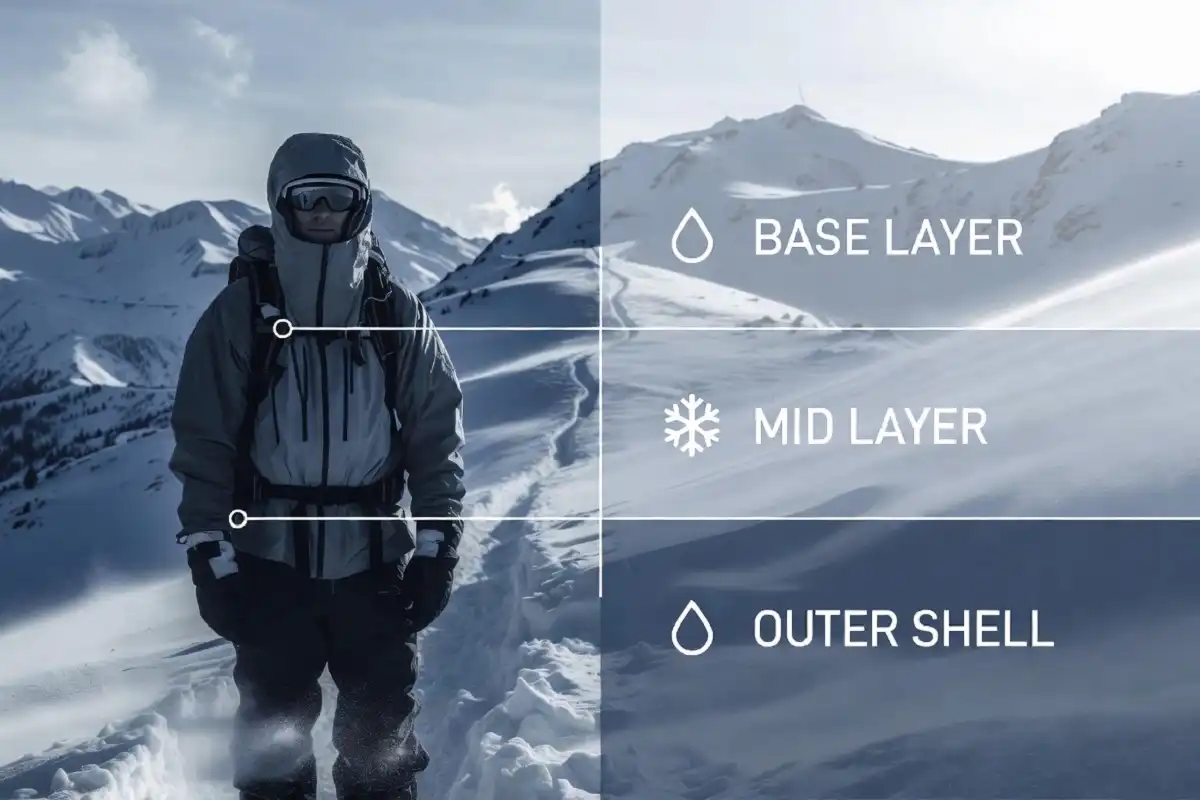
The right clothes for hiking in winter follow a three-layer system: a moisture-wicking base layer, an insulating mid layer, and a waterproof, windproof outer shell. Add wool socks, insulated boots, gloves, and a warm hat, and you’re covered for most winter trail conditions.
Why Clothes for Hiking in Winter Matter More Than You Think
Regular winter clothes work fine for shoveling your driveway. They fail on the trail. Hiking generates heat and sweat, so your clothes for hiking in winter need to manage moisture, not just block cold. Get this wrong and damp fabric next to your skin can drop your body temperature fast, even when the air isn’t that cold. That’s how hikers end up dealing with hypothermia, a condition where the body loses heat faster than it can produce it.
The Layering System for Winter Hiking Clothes
Every solid set of clothes for hiking in winter starts with three layers. Each one has a job. Skip a layer and the whole system breaks down.
Moves sweat away from your skin and keeps your body comfortable.
Traps warm air and provides the main source of insulation.
Blocks wind, rain, and snow while allowing excess heat to escape.
Wool socks and insulated waterproof boots protect against cold and moisture.
Gloves, hats, and neck protection help prevent rapid heat loss.
Base Layer: Moisture Management

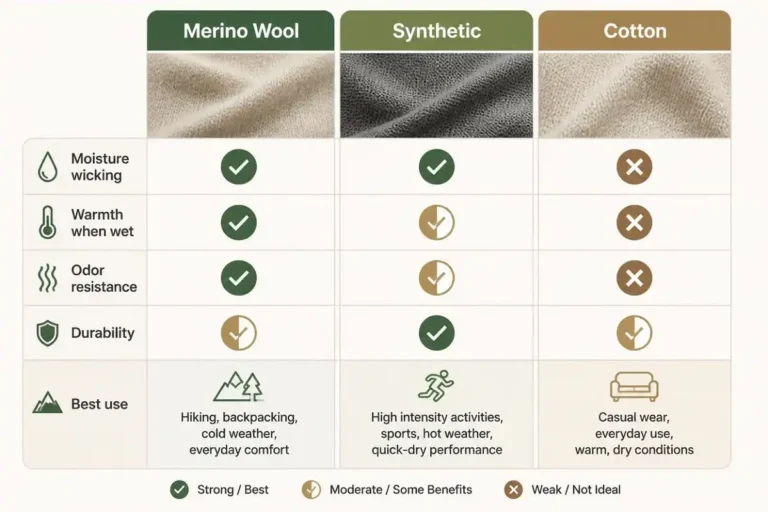
Your base layer sits against your skin, so it needs to move sweat away from your body. Merino wool and synthetic fabrics like polyester both work well here. I wear merino wool tops and bottoms on most winter hikes because they stay warm even when damp, and they don’t hold odor the way synthetics do after a long day.
Avoid anything loose or bulky here. A snug, thin base layer traps a layer of warm air against your skin without adding weight.
Mid Layer: Insulation
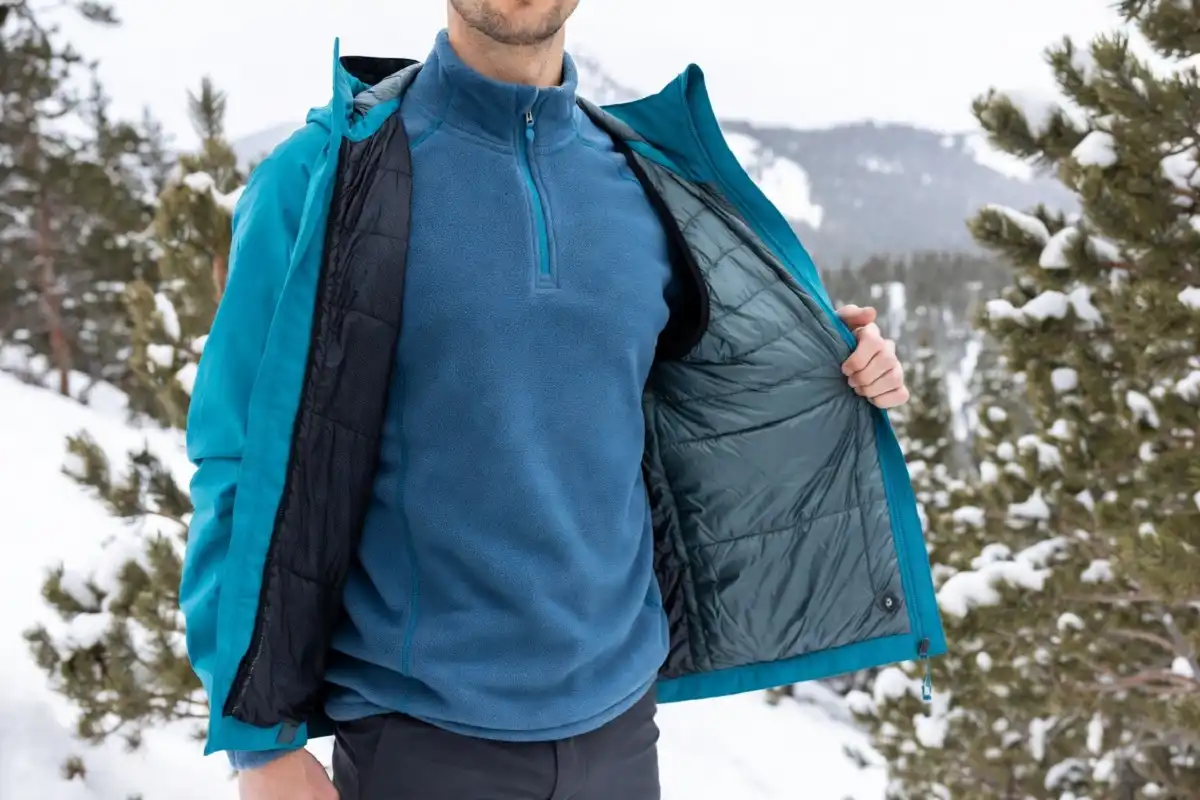
The mid layer is where your clothes for hiking in winter actually generate warmth. Fleece jackets, down vests, and synthetic puffy jackets all fall into this category. I switch between a fleece and a lightweight down jacket depending on the temperature.
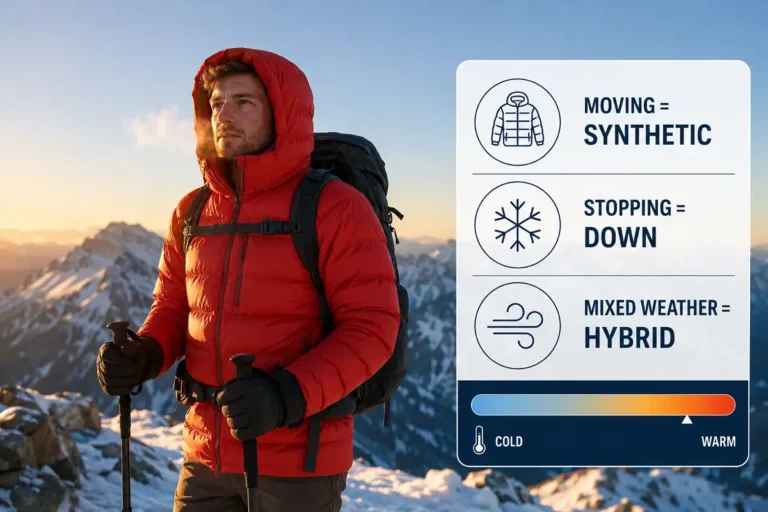
Down insulates better for its weight, but it loses effectiveness when wet. Synthetic insulation costs a bit more warmth per ounce, but it keeps performing even in damp conditions. For coastal or snowy trails, I lean synthetic. For dry, cold climates, down works great.
Down
- Better warmth for its weight
- Excellent for dry, cold climates
- Loses effectiveness when wet
Synthetic
- Performs better when damp
- Useful for snowy conditions
- Slightly more weight for similar warmth
Outer Layer: Wind and Water Protection
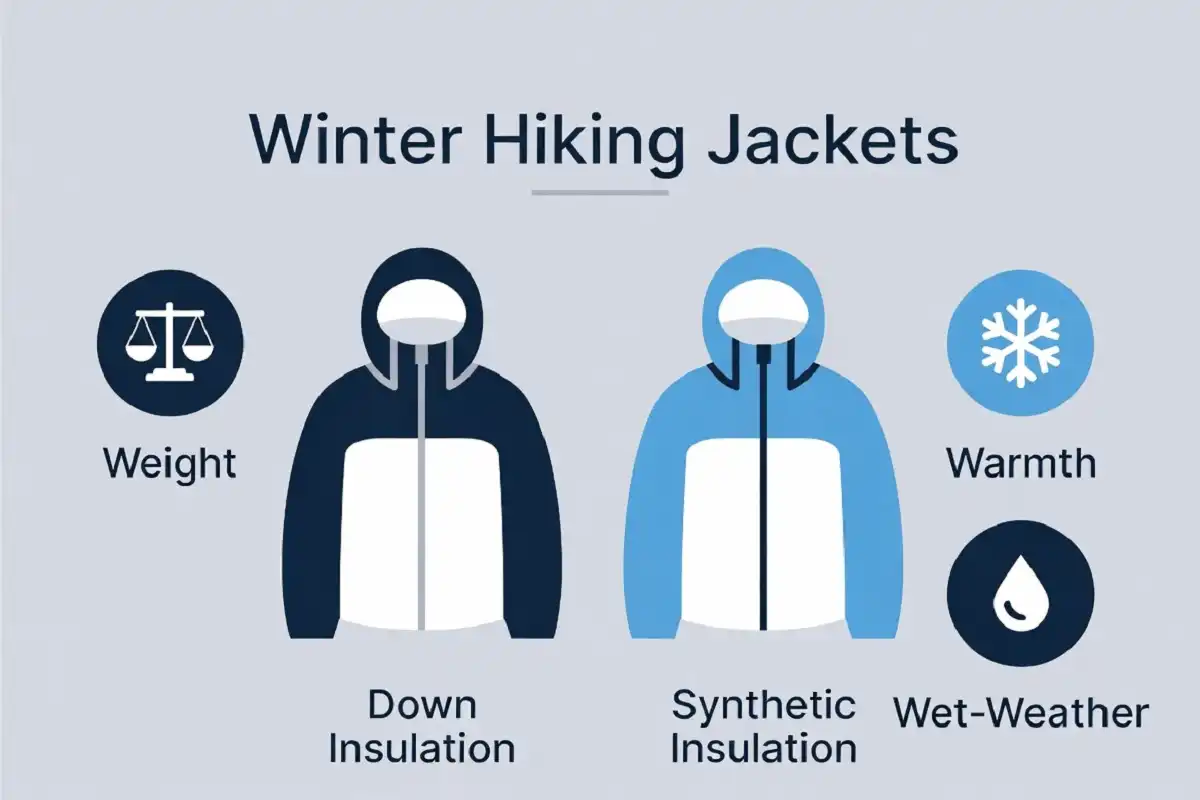
Your shell layer blocks wind, rain, and snow. Look for a jacket labeled waterproof and breathable, not just water-resistant. Water-resistant jackets handle light drizzle. They soak through in real snow or sustained rain.
A good shell also needs pit zips or another way to vent heat. Winter hiking clothes that trap too much heat cause you to sweat, and sweat under a non-breathable shell turns into the same problem as no shell at all.
Pants and Bottoms for Winter Hiking
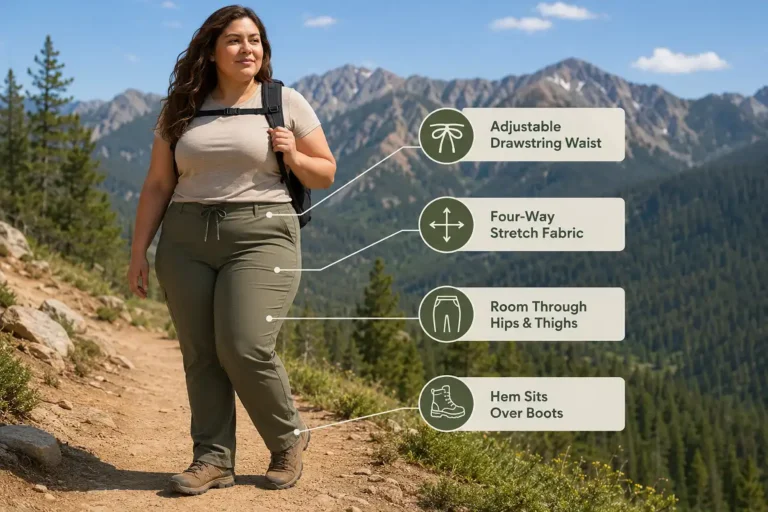
Skip jeans entirely. Denim holds water and takes forever to dry, which makes it one of the worst clothes for hiking in winter you can wear.
Instead, go with softshell hiking pants or a base layer paired with insulated hiking pants.
For colder trips, I add thermal leggings under softshell pants. This mimics the same layering logic as your top half: a wicking layer close to skin, insulation over it, and wind resistance on the outside if conditions call for it.
Gaiters are worth adding if you’re hiking through snow. They keep snow out of your boots and protect your lower pants from getting soaked.
Socks and Footwear
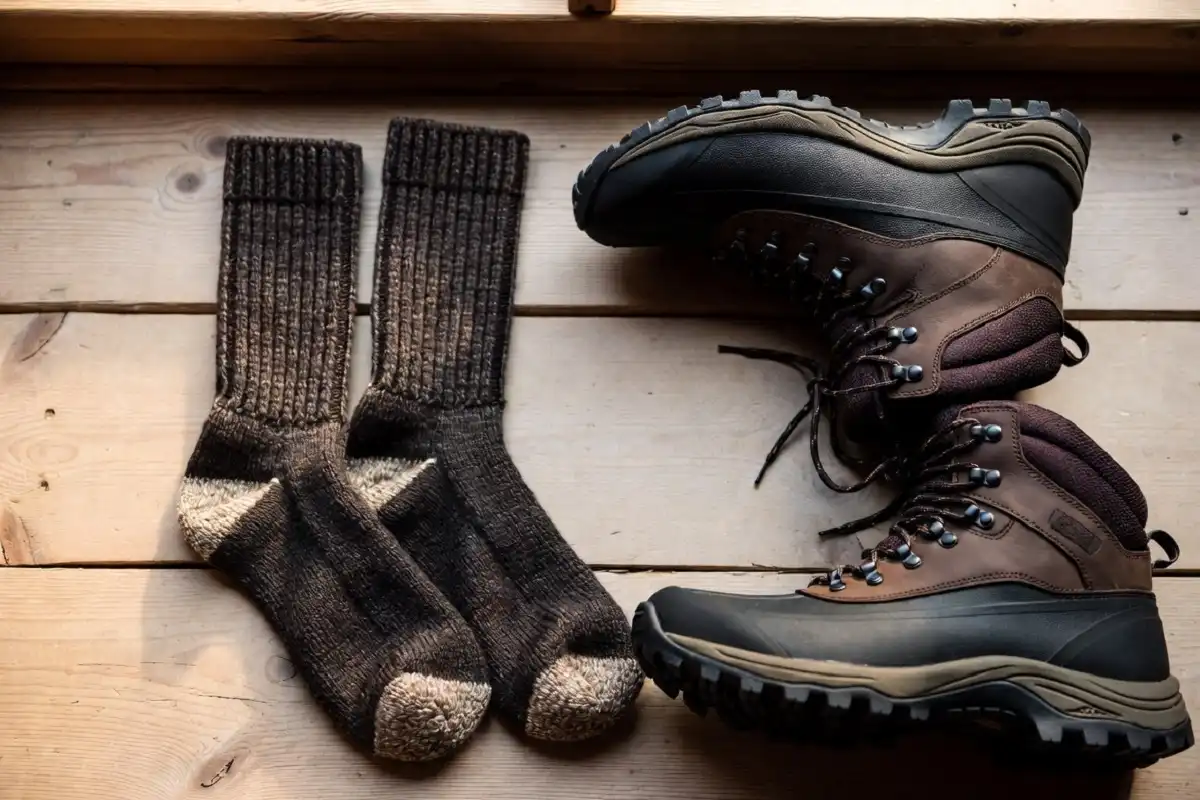
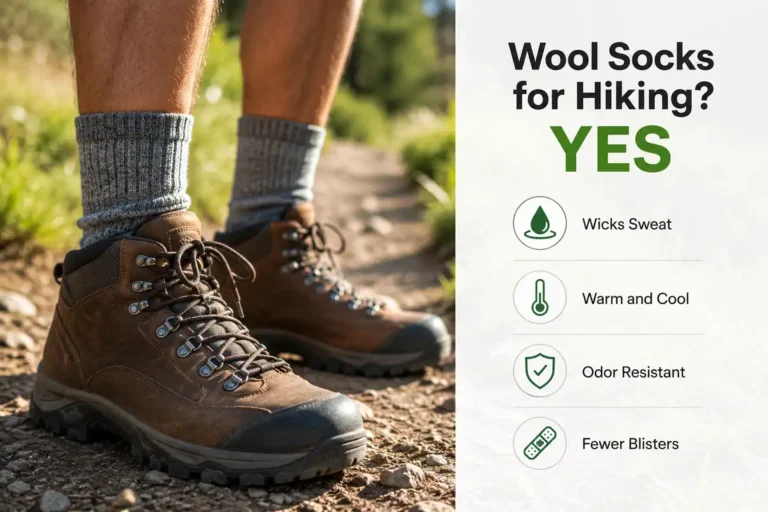
Cotton socks are the single biggest mistake I see new winter hikers make. Cotton absorbs moisture and stays wet, which speeds up heat loss in your feet. Wool or synthetic hiking socks solve this problem. I always pack an extra pair in case the first gets damp from snow or sweat.
Pair your socks with insulated, waterproof hiking boots. If you’re not sure whether your current pair is up to the job, I put together a full breakdown on whether Columbia hiking boots hold up for cold-weather trails, which covers what to look for in insulation ratings.
For icy or steep terrain, microspikes or crampons add traction that regular boot soles can’t provide. And if you’re new to using trekking poles for stability on slick trails, I’ve also written about whether hiking poles are actually worth carrying, based on what I’ve used on my own winter trips.
Hands, Head, and Neck
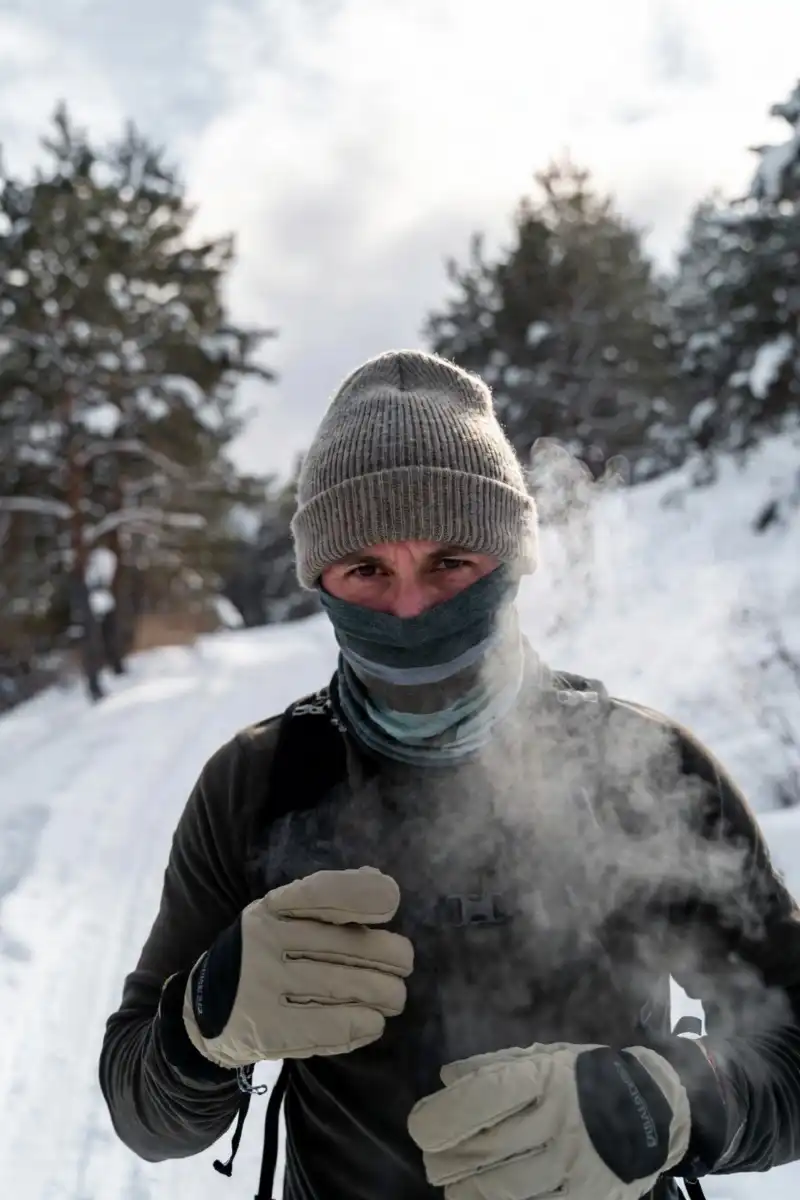
Heat escapes fast from your head, hands, and neck. Don’t skip this part of your clothes for hiking in winter setup just because it seems minor.
Hat
A wool or fleece beanie that covers your ears.
Gloves
Bring two pairs. A thin liner glove for dexterity, and a thicker insulated glove or mitten for extreme cold. Mittens trap more heat than gloves because your fingers share warmth together.
Neck Gaiter or Buff
Protects against wind chill, a factor that measures how much colder moving air makes exposed skin feel compared to the actual temperature (source: Wikipedia’s explanation of wind chill).
What Fabrics to Avoid
Skip Cotton on Cold Trails
Cotton is the fabric to skip across your entire outfit, not just your socks. It absorbs sweat and rain, then holds onto that moisture against your skin. This is often summed up in the outdoor world as “cotton kills,” and while that phrase sounds dramatic, it points to a real risk on cold trails.
Instead, build your clothes for hiking in winter around wool, fleece, and synthetic technical fabrics. These materials pull moisture away from your skin and keep insulating even when damp.
Warm even when damp and naturally odor resistant.
Lightweight insulation that works well as a mid layer.
Technical fabrics designed to move moisture away from the skin.
Absorbs moisture and stays wet, increasing heat loss.
How to Dress for Different Winter Temperatures
Adjust as Conditions Change
Adjust based on wind, elevation, and how much you’ll be moving. Uphill sections generate more body heat, so I often start a climb slightly cold, knowing I’ll warm up within ten minutes.
Common Mistakes with Winter Hiking Clothes
You’ll overheat and sweat through your layers within the first mile.
Wet feet in cold weather is one of the fastest ways to end a hike early.
This applies to base layers, socks, and even hats.
Snow melts. A shell that isn’t truly waterproof will let moisture through eventually.
These areas lose heat fast and are easy to underdress.
If you’re planning a full winter trip and want trail ideas that pair well with this kind of setup, my guide to the best hikes to tackle during winter months covers routes where solid cold-weather clothing actually matters most.
Winter Hiking Clothes: Layer Up for the Cold
Dressing right for winter hiking comes down to layers, fabric choice, and covering the parts of your body that lose heat fastest. Once you build a solid system of clothes for hiking in winter, you’ll notice how much more comfortable and confident you feel on cold-weather trails. Start simple, adjust based on your own trips, and you’ll figure out what works for your body soon enough.
FAQs About Winter Hiking Clothes
What should I wear on my first winter hike?
Start with a three-layer system: a moisture-wicking base layer, a fleece or light down mid layer, and a waterproof shell. Add wool socks and insulated boots, and you’ll be set for most beginner-friendly winter trails.
Can I wear regular winter clothes for hiking?
Regular winter clothes usually work for short walks, but they aren’t built for sustained activity. Clothes for hiking in winter need to wick sweat and adjust as your body temperature rises and falls on the trail.
Is down or synthetic insulation better for winter hikes?
Down offers better warmth for its weight but performs poorly when wet. Synthetic insulation weighs a bit more but keeps you warm even in damp or snowy conditions.
Do I need waterproof boots for winter hiking?
Yes, for any trail with snow or wet conditions. Waterproof, insulated boots keep your feet dry and warm, which matters more in winter than in any other season.