Are Hiking Boots Good for Work? What I’ve Learned Wearing Both
I’ve worn hiking boots on trails for over a decade, testing everything from budget pairs to well-reviewed boots from major outdoor brands, and I’ve also worn them on jobs that had nothing to do with hiking. So when people ask me are hiking boots good for work, I get it. The two worlds overlap more than you’d think, but they’re not the same thing. Here’s what I’ve learned from wearing both, plus what actually matters when your boots need to survive a full shift.
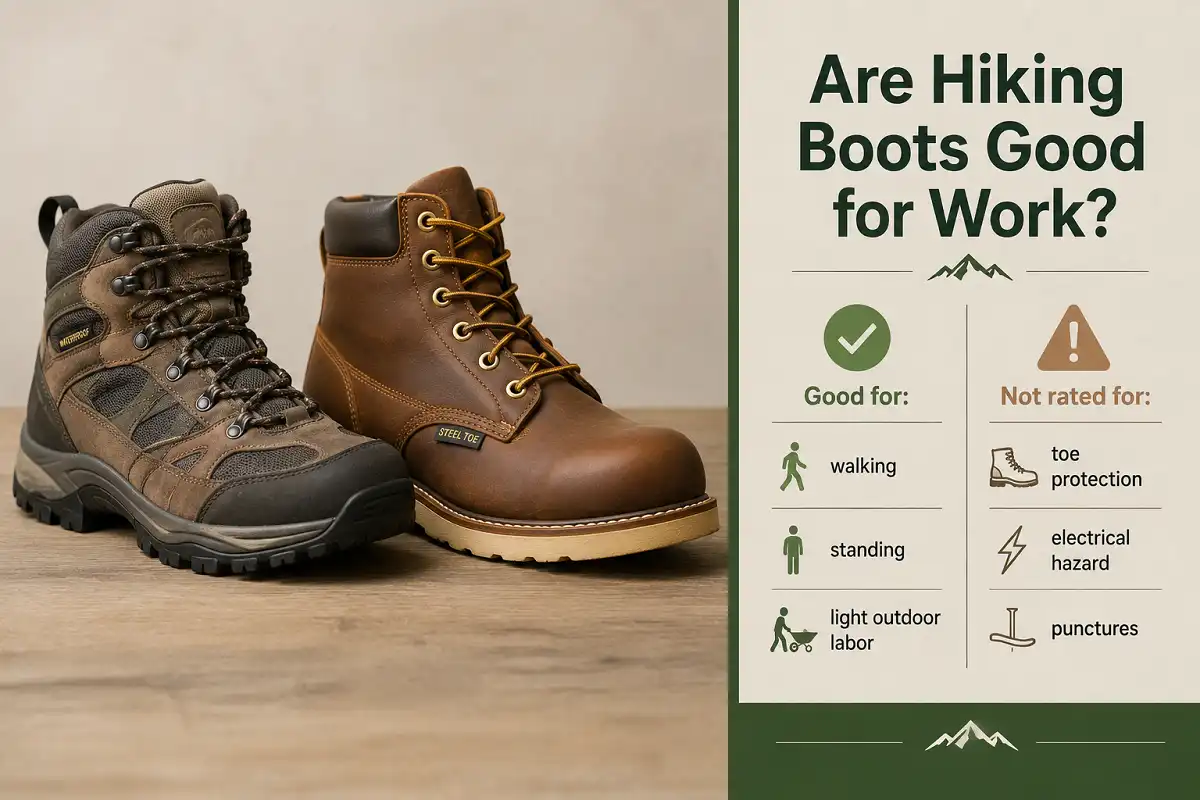
Hiking boots are good for work if your job involves walking, standing, or light outdoor labor without major safety hazards. They’re not a safe substitute for real work boots if your job legally requires steel toe, electrical hazard, or puncture-resistant protection. That’s the honest split, and the rest of this article breaks down exactly why.
Are Hiking Boots Good for Work? The Short Answer
If you’re asking are hiking boots good for work in a general sense, the answer depends entirely on what your job demands, and it’s a question worth answering honestly before you spend a paycheck on the wrong boot. Hiking boots give you excellent ankle support, good traction, and all-day comfort for jobs that keep you moving. However, they usually lack the toe protection, sole puncture resistance, and electrical hazard rating that many worksites require by law.
So before you decide are hiking boots good for work for your specific situation, check your job’s safety requirements first. A warehouse picker and a construction electrician need completely different footwear, even though both are “on their feet all day.”
What Hiking Boots Are Actually Built For
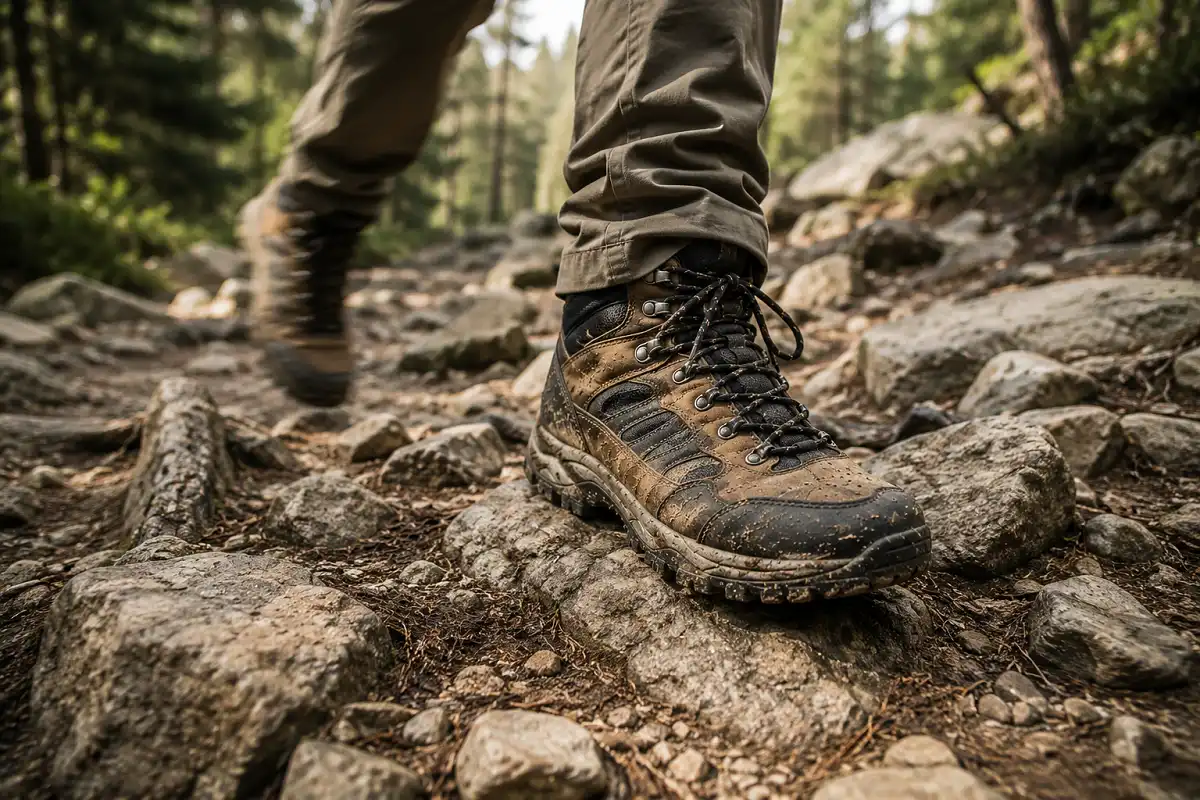
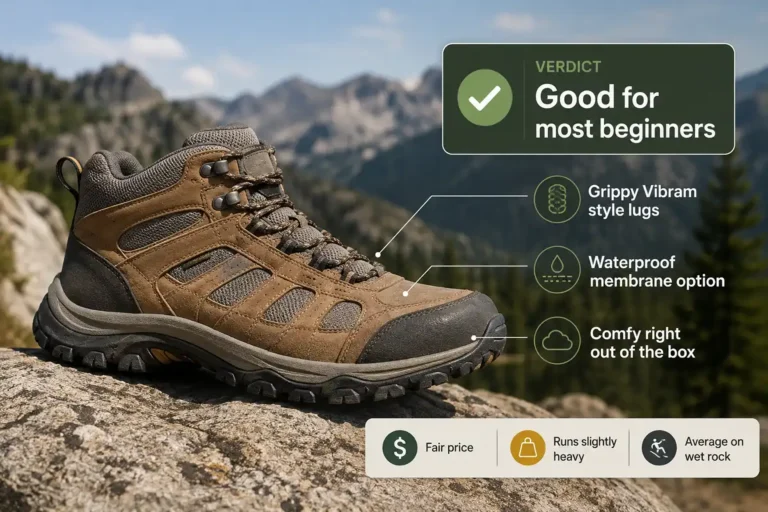
Hiking boots are designed for uneven ground, changing weather, and long hours on the trail. I’ve broken in more pairs than I can count, and the good ones share a few traits: a supportive midsole, a grippy rubber outsole, and an upper that flexes with your foot instead of fighting it.
Most hiking boots use a nylon or fiberglass shank for arch support, plus a waterproof membrane like Gore-Tex. They’re built light because every ounce matters over ten miles of trail, the same reason choosing the right layers for cold trail conditions matters so much for comfort. That lightweight build is a huge advantage in some jobs and a real limitation in others.
What Work Boots Are Actually Built For
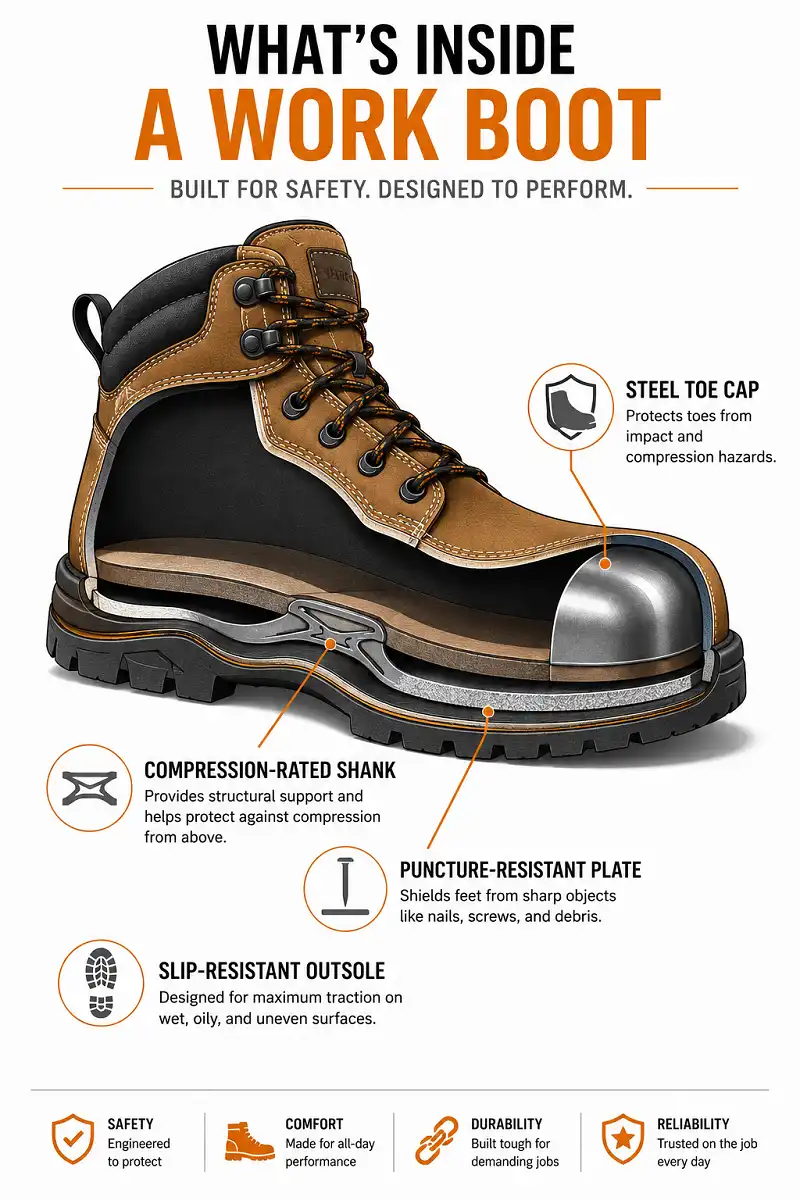
Work boots follow a different set of rules entirely. They’re built to specific safety standards, and that changes everything about their construction. In the United States, protective footwear sold as safety-rated is tested against ASTM F2413, a standard covering things like impact resistance, compression resistance, and electrical hazard protection. If you want the full technical breakdown of how steel toe caps are rated and constructed, the steel-toe boot overview on Wikipedia covers it well.
Work boots are heavier because they have to be. A steel or composite toe cap, a shank rated for higher compression, and often a puncture-resistant plate in the sole all add weight and stiffness that hiking boots simply don’t have.
Are Hiking Boots Good for Work in Low-Hazard Jobs?
Here’s where are hiking boots good for work starts to make more sense. For jobs without heavy machinery, falling objects, or electrical risk, hiking boots can genuinely outperform work boots.
Retail, Warehouse Picking, and Light Stocking
If your job is mostly walking aisles, picking orders, or standing at a register, hiking boots are good for work in this setting. They’re lighter than work boots, which reduces fatigue over an eight or ten hour shift. The ankle support also helps if you’re navigating uneven pallets or narrow stockroom shelving.
Landscaping and Outdoor Labor
For landscaping, groundskeeping, or general outdoor labor without power tools that pose crush risk, hiking boots hold up well. I’ve worn mine doing yard work and light trail maintenance, and the traction on wet grass or loose dirt beats a lot of flat-soled work shoes. That kind of daily movement also carries some of the same calorie-burning benefits you get from a real trail workout, which surprised me the first time I noticed it.
Delivery Driving and Walking Routes
Delivery drivers who are in and out of a vehicle constantly benefit from a lighter boot. Are hiking boots good for work like this? Yes, especially if your route includes stairs, uneven driveways, or rough terrain where ankle stability matters more than steel toe protection.
Are Hiking Boots Good for Work in High-Hazard Jobs?
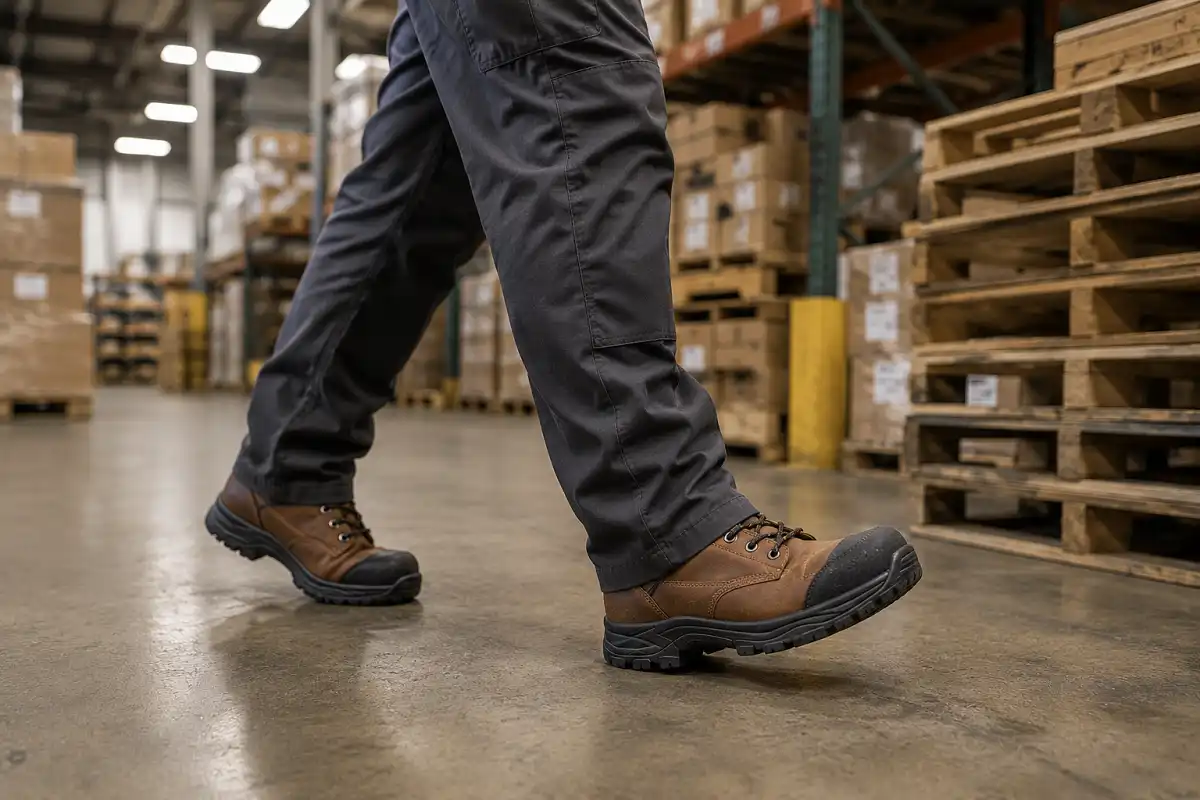
Are hiking boots good for work when the job involves real physical risk? No, not without modification, and even then it’s a stretch.
Jobs Requiring Toe Protection
Construction, warehousing with forklift traffic, and manufacturing floors usually require a rated safety toe by law or by employer policy. Standard hiking boots don’t have this. Wearing them on a job site that mandates steel toe boots isn’t just risky, it can get you sent home or written up.
Electrical Hazard Work
Electricians and anyone working near live circuits need boots rated EH (electrical hazard) under ASTM standards. Hiking boots aren’t tested or rated for this. There’s no safe workaround here, so are hiking boots good for work in this case is an easy no.
Wet, Oily, or Chemical-Exposed Floors
Kitchens, auto shops, and industrial floors often need slip-resistant soles tested against oil and chemical exposure. Hiking boot outsoles are built for dirt and rock, not commercial kitchen tile. They can actually be more slippery in these conditions than a proper slip-resistant work shoe.
Hiking Boots vs Work Boots: The Key Differences
When people ask are hiking boots good for work compared to dedicated work boots, weight is the first difference you’ll notice. These boots typically run one to two pounds lighter per pair, which matters over a long shift on your feet. Work boots make up for that weight with protection you can’t get around.
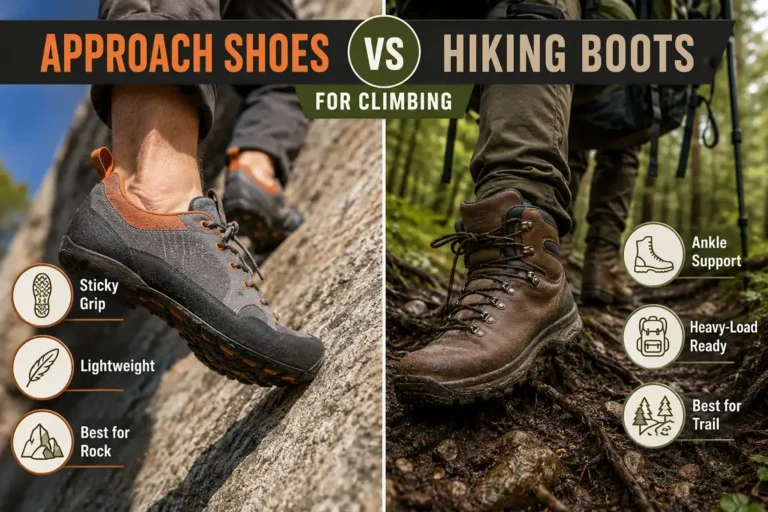
Flexibility is another factor. Hiking boots flex more at the ball of the foot, which is great for trail movement but can be a downside on a factory floor where a stiffer sole protects against punctures. Work boots also tend to have thicker, more aggressive outsoles rated for oil and slip resistance, while hiking boots prioritize grip on rock and dirt.
Durability under abuse is where work boots win outright. They’re built to survive dropped tools, sharp debris, and daily abrasion that would tear up a hiking boot’s upper within weeks.
HIKING BOOTS
Comfort & Mobility
- Lighter overall weight
- Excellent ankle support
- Flexible for walking
- Strong traction on dirt and rock
- Designed for long trail movement
WORK BOOTS
Protection & Durability
- Rated toe protection
- Electrical hazard protection
- Puncture-resistant options
- Heavy-duty outsoles
- Built for workplace abuse
Cost Comparison: Hiking Boots vs Work Boots
Price is another factor worth weighing when you’re deciding are hiking boots good for work for your budget. Quality hiking boots typically run anywhere from $120 to $250, depending on brand and waterproofing. Rated work boots often start around that same range but climb higher once you add steel toe, EH rating, and puncture-resistant soles. If your job doesn’t require certified protection, a solid pair of hiking boots can actually save you money while lasting just as long under lighter use.
That said, buying cheap in either category tends to backfire. A budget hiking boot worn daily on hard concrete floors will break down fast, and the savings disappear once you’re replacing them every few months. I’ve learned to spend a little more upfront on either type and get more mileage out of a single pair.
Spend Based on the Job
If your workplace requires certified protection, prioritize the safety rating over comfort features. If the job is low-hazard, a quality hiking boot can offer excellent value for walking and standing all day.
Choosing Hiking Boots If You Plan to Wear Them for Work
If you’ve decided are hiking boots good for work in your case, pick the right pair with your job in mind, not just the trail. Look for a stiffer midsole if you’ll be standing on hard surfaces all day, since trail-flex boots can feel less supportive on concrete than they do on dirt. A leather or reinforced synthetic upper holds up better to daily wear than mesh panels, which tend to tear when they rub against equipment or pallets.
Check the outsole pattern too. Deep, aggressive lugs are great for mud and loose rock, but they can pack with debris on a warehouse or shop floor and actually reduce your grip. A moderate tread with good surface contact works better indoors.
Choose a supportive midsole
A stiffer midsole can feel better when you’re standing on hard concrete for long periods.
Look for durable uppers
Leather or reinforced synthetic materials generally handle daily workplace contact better than lightweight mesh.
Check the outsole pattern
Moderate tread with good surface contact can work better indoors than deep trail lugs.
Break-In Time and All-Day Comfort
One thing people forget when weighing are hiking boots good for work is break-in time. Hiking boots, especially leather ones, need anywhere from a week to a few weeks of regular wear before they mold to your feet. Wearing a brand-new pair for a full shift on day one is a fast way to end up with blisters.
I always recommend breaking boots in gradually, an hour or two at a time, before committing to a full workday in them. Pair that with a good moisture-wicking sock, and most hiking boots handle eight to ten hours of standing or walking without much complaint.
Break new hiking boots in gradually before wearing them for a full work shift.
Can You Modify Hiking Boots to Be Safer for Work?
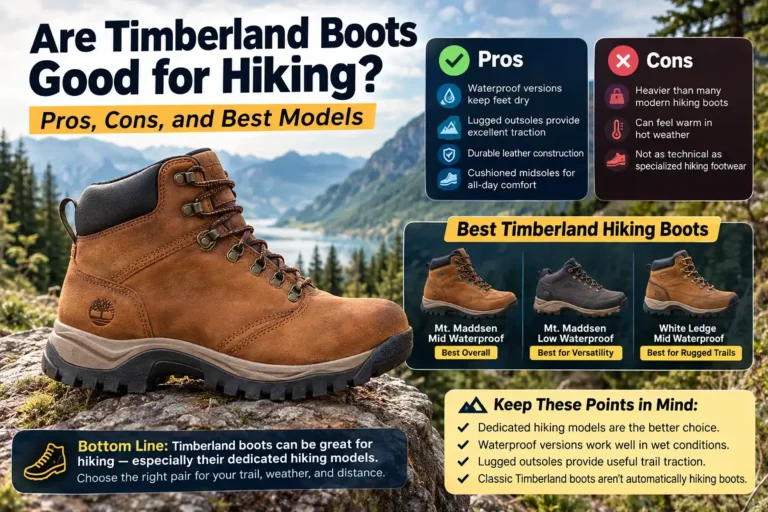
If you’re still weighing are hiking boots good for work after everything above, know that some brands sell hiking-style boots with a composite or steel toe cap built in, blending trail comfort with basic protection. Liking the fit and feel of a hiking boot but needing some safety rating makes this hybrid category worth a look. From what I’ve gathered talking to other outdoor workers, these hybrids handle light-to-moderate hazard jobs reasonably well, though they still fall short of full-rated work boots for serious industrial use.
Aftermarket toe caps and insoles exist too, but I wouldn’t rely on them for anything beyond minor, everyday bumps. They’re not a substitute for certified protection.
My Experience Wearing Hiking Boots for Work
I’ve worn my hiking boots doing trail maintenance, light yard work, and long days guiding hikes that felt a lot like a physical job. In every one of those situations, are hiking boots good for work was an easy yes for me, mainly because the terrain and risk matched what the boots are built for.
I also spent a summer doing warehouse work in my early twenties, and I learned the hard way that hiking boots weren’t enough there. No steel toe meant I got written up twice before switching to real work boots. That experience taught me to check the job’s actual safety requirements instead of guessing.
How to Tell If Your Job Needs Real Work Boots
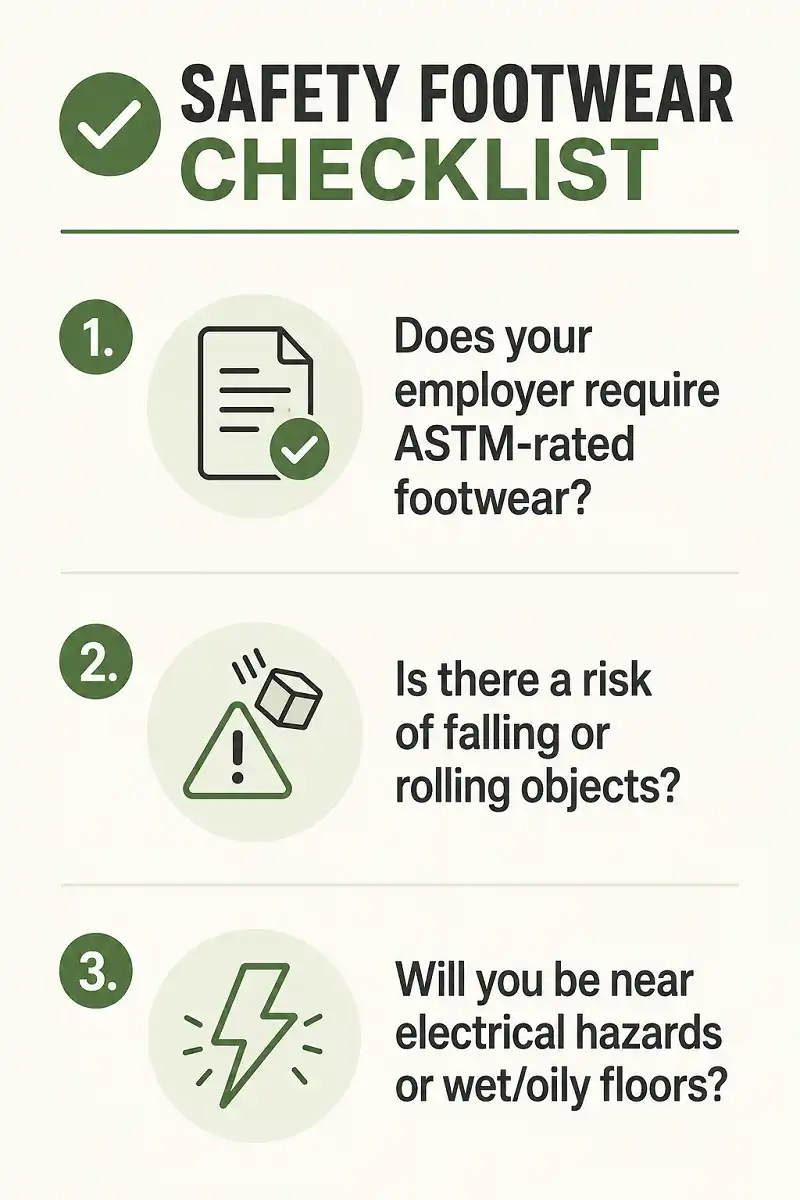
Ask yourself three questions. First, does your employer require ASTM-rated footwear? If so, hiking boots won’t meet the requirement, no matter how tough they feel. Second, is there a risk of heavy objects falling or rolling onto your feet? If yes, you need a rated toe cap. Third, will you be near electrical hazards or wet, oily, chemical-heavy floors? If so, you need EH-rated or slip-resistant work boots specifically.
Answering no to all three means hiking boots are a legitimate option, and often a more comfortable one. I’d also point out that if your job involves a lot of standing and walking similar to a long hike, the same comfort principles that make a hike enjoyable, like proper break-in time and good socks, also apply to a full work shift. Even how much climbing your legs handle on a tough trail comes down to the same fit and support factors that decide whether a boot survives an eight-hour shift. how much climbing your legs handle on a tough trail
The Simple Rule
If your job has no major safety hazards and mainly involves walking, standing, or light outdoor work, hiking boots can be a comfortable choice. If your employer requires certified protection, choose work boots that meet those requirements.
FAQs
Are hiking boots OSHA approved?
Hiking boots aren’t OSHA approved on their own. OSHA doesn’t certify specific boots, but it does require employers in hazardous industries to mandate ASTM-rated protective footwear, which standard hiking boots don’t meet.
Are hiking boots good for standing all day at work?
Yes, for low-hazard jobs. Their cushioning and arch support are built for hours of movement, so standing all day is well within what they’re designed to handle.
Can I wear hiking boots to a warehouse job?
It depends on the warehouse. If forklifts, heavy pallets, or falling stock are part of the environment, most employers will require steel or composite toe boots instead.
Are hiking boots as durable as work boots?
Generally, no. Work boots use thicker leather, reinforced stitching, and tougher soles built to survive daily abuse that hiking boots aren’t designed for.
Are hiking boots good for work in construction?
Not on their own. Construction sites almost always require a rated safety toe, so unless you’re wearing a hybrid hiking boot with a certified toe cap, standard hiking boots won’t meet the requirement.
Do employers ever allow hiking boots instead of work boots?
Some do, mainly in low-hazard roles like delivery, landscaping, or retail. Always confirm with your employer directly, since policies on are hiking boots good for work as a substitute vary a lot by industry and by company.